





Domestic Bactrian Camel
Camelus bactrianus
The Domestic Bactrian Camel is a special animal with two humps on its back! They are strong and can carry heavy loads across deserts and mountains, making them very helpful to people.
Habitat: Desert and mountainous areas
The Domestic Bactrian Camel has two distinct humps on its back and a thick, shaggy brown coat. Its long, curved neck and sturdy legs help it navigate harsh terrain, making it easily distinguishable from its one-humped cousin.
Category
MammalsRarity
Common
Danger
2/5 · Low
Snaps
Be the first to snap!
A camel's humps are made of fat, not water!
Baby camels are called calves and can stand soon after birth!
Their broad feet spread weight, stopping them from sinking in sand.
They can change their body temperature to save water.
Domestic Bactrian Camels can survive long periods without water and food because they store fat in their humps, providing energy and water when needed.
Domestic Bactrian Camels have double rows of eyelashes and sealable nostrils that help them protect their eyes and lungs from sandstorms.
Domestic Bactrian Camels have thick fur to keep warm in winter and shed it in summer, helping them adapt to extreme temperature changes.
Domestic Bactrian Camels can carry immense loads because of their strong legs and broad, padded feet, helping them transport goods.
These hardy animals are herbivores that graze on tough desert plants and shrubs.
Salsola kali
One of many tough plants it grazes on.
Calligonum mongolicum
Its diet includes this hardy desert shrub.
Camelostrongylus mentulatus
Can host this internal parasite.
Furry describes animals possessing a dense covering of soft hair or fur.
Social animals live in organized groups, cooperating for survival benefits such as foraging, defense, and raising offspring.
This trait characterizes organisms whose diet consists entirely or primarily of plant material.
Desert habitats are arid regions characterized by extremely low precipitation and often extreme temperatures, supporting specialized flora and fauna.

This habitat trait identifies species found in mountainous regions, characterized by high elevation, steep slopes, and varying climate zones.

Domesticated refers to species that have been selectively bred and tamed by humans for specific purposes.

This trait characterizes organisms with an exceptionally long lifespan compared to others of their kind.

Diurnal animals are primarily active during daylight hours, typically resting or sleeping at night.

This trait identifies organisms that exhibit exceptional swiftness in movement for hunting, escape, or travel.
Danger
2/5 · Low
Always watch from a safe distance and never try to touch a camel without an adult's help.
The easiest way to identify Domestic Bactrian Camel is to use the Snappit nature identifier app.
220-350 cm
450-1000 kg
30-50 years
65 km/h
These hardy animals are herbivores that graze on tough desert plants and shrubs.
Desert and mountainous areas
Foraging
Zoom in to split clusters and explore where this object has been snapped.
Recent snaps will appear here as new observations are added.

Alaska, US
You might spot Polar Bear, Brown Bear, and Tiger.
View guide →

Massachusetts, US
You might spot American Bison, Domestic Bactrian Camel, and Black Bear.
View guide →
Rhode Island, US
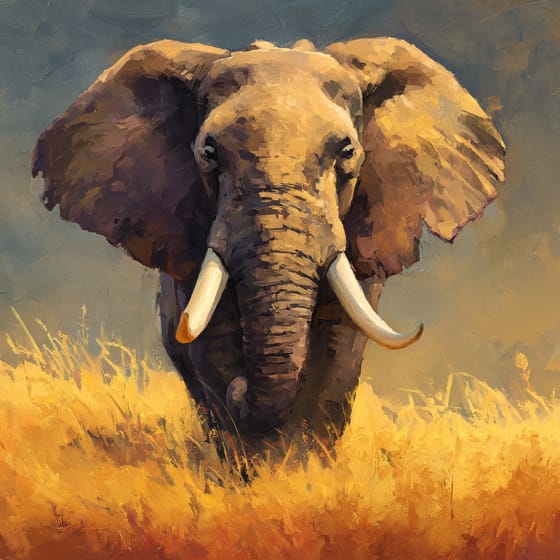
You might spot African Elephant, Giraffes, and Snow Leopard.
View guide →

North Dakota, US
You might spot Tiger, Grizzly Bear, and African Penguin.
View guide →

North Dakota, US
You might spot Red Panda, Pallas's Cat, and Sichuan Takin.
View guide →

Ohio, US
You might spot Southern White Rhinoceros, Giraffes, and Cheetahs.
View guide →
Take the discovery with you
Snap it with Snappit to identify it, learn what makes it special, and add the discovery to your collection.




.jpg&width=800)


.JPG&width=800)


.jpg&width=800)
