.jpg&width=800)





Dot-Lined White
artace cribrarius
The Dot-Lined White is a beautiful butterfly with striking white wings adorned with delicate black lines. Kids love to spot them fluttering around gardens and meadows!
Habitat: Dot-Lined Whites thrive in gardens, meadows, and open fields.
The Dot-Lined White is a small to medium-sized moth with pure white wings speckled with numerous tiny, distinct black dots. Its body is also covered in soft, white, downy hairs, giving it a fluffy appearance that makes it visually different from a flat-winged butterfly.
Category
InsectsRarity
Common
Danger
0/5 · No known danger
Snaps
3
Despite its name, its relatives are famous for 'tent' nests, but this one's caterpillar is a solitary wanderer!
Its caterpillars wear a fuzzy coat of bristles, looking quite different from the adults!
Like many moths, it's drawn to bright lights at night, making it easy to spot!
This beautiful 'white butterfly' is actually a moth, often flying at night!
Dot-Lined White can vanish into snowy or lichen-covered environments because its white wings with black dots provide excellent camouflage.
Dot-Lined White has special antennae that can detect invisible scent signals, helping males find females over long distances for mating.
Dot-Lined White can fly accurately in the dark, guiding itself using moonlight and scent trails to find mates and host plants.
Dot-Lined White larvae can spin a strong silk cocoon, which protects them as they transform into adult moths during pupation.
Tiny caterpillars munch on leaves, while adult moths prefer sips of sweet flower nectar.
Age differences: Larvae consume leaves from host plants, while adults only drink nectar or other liquid sustenance.
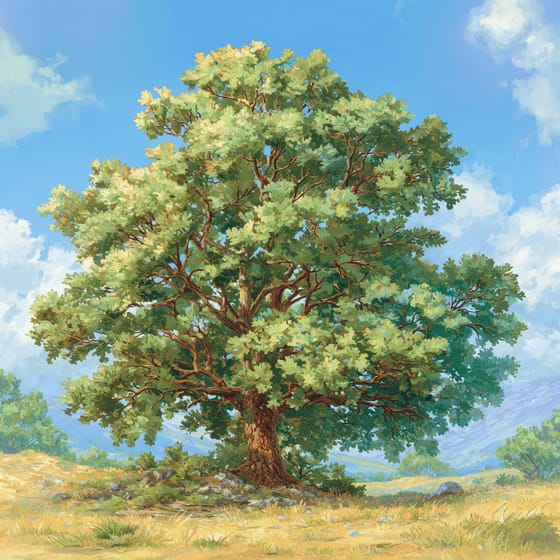
Quercus alba
Larvae feed on the leaves of this tree.
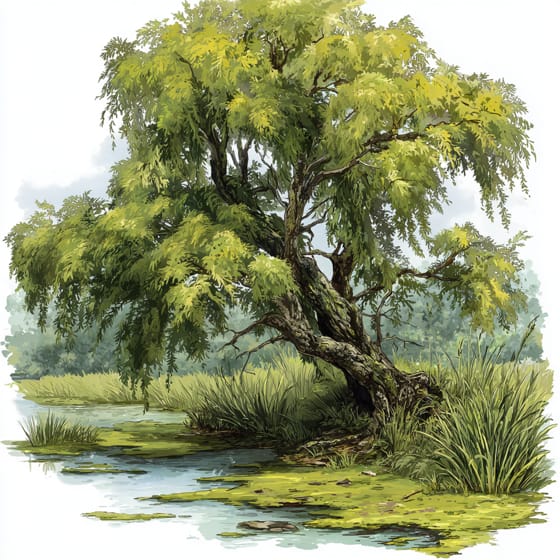
Salix nigra
Caterpillars often munch on willow foliage.
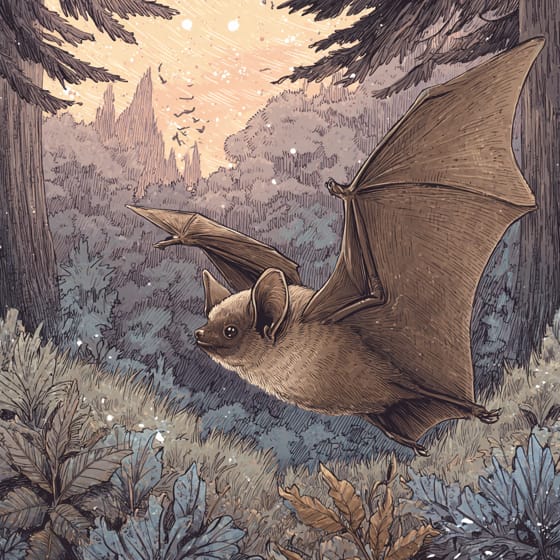
Myotis lucifugus
Bats actively hunt flying moths at night.
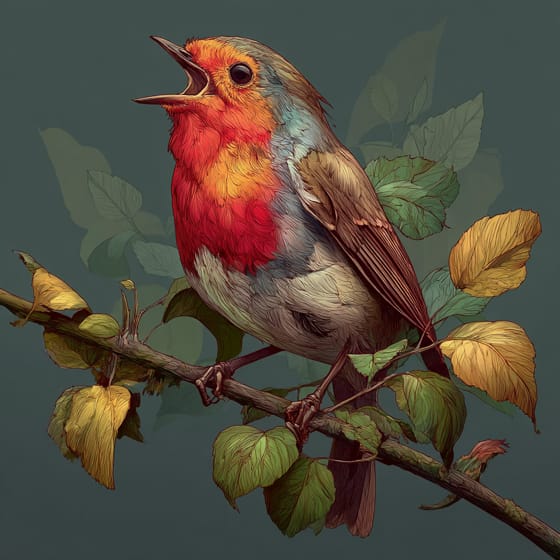
Turdus migratorius
Birds may catch caterpillars or resting adults.
Social animals live in organized groups, cooperating for survival benefits such as foraging, defense, and raising offspring.
Camouflaged describes organisms that possess coloring or patterns that allow them to blend into their environment.
Colorful describes organisms or objects displaying a wide range of bright and distinct colors.
Diurnal animals are primarily active during daylight hours, typically resting or sleeping at night.

Describes organisms that transfer pollen, enabling the fertilization and reproduction of plants.
Danger
0/5 · No known danger
No special safety notes yet.
The easiest way to identify Dot-Lined White is to use the Snappit nature identifier app.
28-42 mm
15-25 mm
7-14 days
Tiny caterpillars munch on leaves, while adult moths prefer sips of sweet flower nectar.
Dot-Lined Whites thrive in gardens, meadows, and open fields.
Foraging
6
Zoom in to split clusters and explore where this object has been snapped.

Florida, US
You might spot American Beautyberry and Brown Anole.
View guide →

Ohio, US
You might spot Brown-Belted Bumble Bee and Eastern Carpenter Bee.
View guide →

Ohio, US
You might spot Brown-Belted Bumble Bee and Eastern Carpenter Bee.
View guide →
South Carolina, US
You might spot Giraffes, Sumatran Orangutan, and Red Panda.
View guide →

Ohio, US
You might spot Brown-Belted Bumble Bee and Eastern Carpenter Bee.
View guide →

Kentucky, US
You might spot American Alligator, Penguin, and Great White Shark.
View guide →
Take the discovery with you
Snap it with Snappit to identify it, learn what makes it special, and add the discovery to your collection.








.jpg&width=800)



