





dotted gayfeather
Liatris punctata
The dotted gayfeather is a beautiful flower with tall spikes and purple dots. It grows in sunny places and attracts butterflies and bees, making gardens lively and colorful!
Habitat: Grasslands
The dotted gayfeather has tall, stiff stems covered in narrow, grass-like leaves that often have tiny dots. Its vibrant purple-pink flowers bloom in dense, upright spikes, starting from the top and working their way down, creating a striking visual. It stands out with its bright color in dry grasslands.
Category
PlantsRarity
Common
Danger
1/5 · Very low
Snaps
2
Its flowers are sometimes called "blazing stars" because their spikes look like fireworks!
Its scientific name, Liatris, comes from a mysterious Greek word meaning "unknown"!
Its super-deep taproot can plunge over 15 feet underground to find water!
This plant's "dotted" leaves actually have tiny glands that look like speckles!
Dotted gayfeather has a remarkably deep taproot that helps it find water in dry soils and survive prairie fires.
This plant can quickly resprout after wildfires, allowing it to thrive and dominate in fire-prone ecosystems.
Its bright purple flowers produce abundant nectar, making it an irresistible magnet for various butterflies and bees.
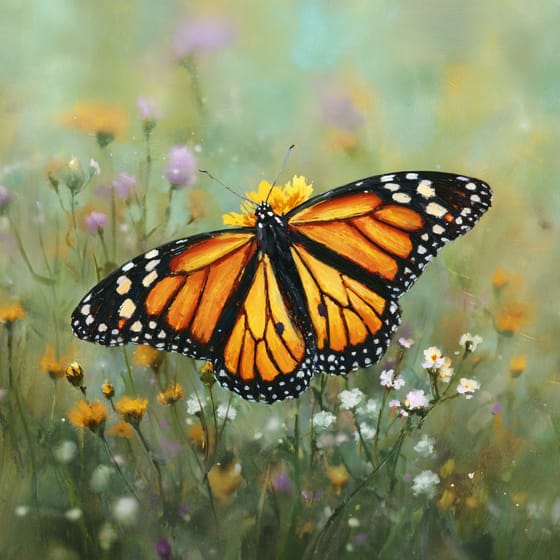
Danaus plexippus
Drinks nectar from its flowers.
Apis mellifera
Collects nectar and pollen.
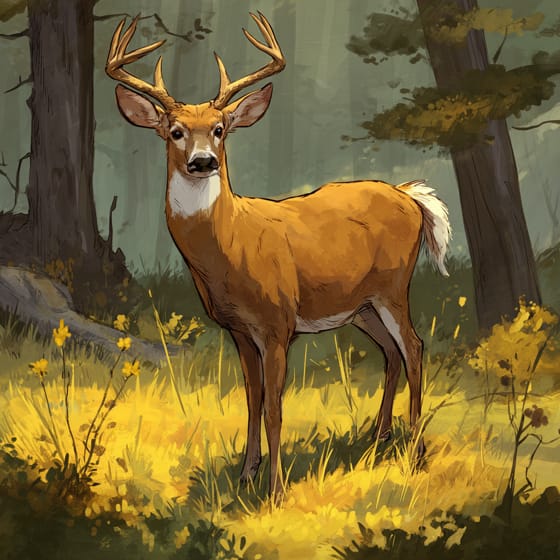
Odocoileus virginianus
Browses leaves and stems.
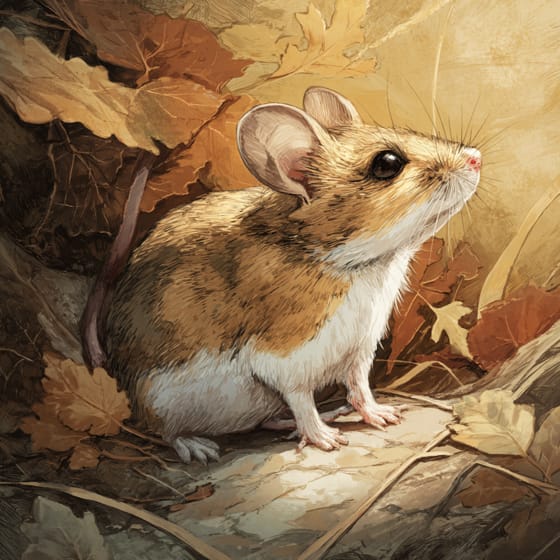
Peromyscus maniculatus
Eats the plant's seeds.
Ornamental plants are cultivated primarily for their aesthetic appeal, enhancing landscapes and gardens with their attractive foliage, flowers, or form.
Grass-like plants are herbaceous plants that visually resemble true grasses, typically having long, narrow leaves.
Summer blooming plants produce their flowers during the summer season, often providing vibrant color when many other plants have finished.
Fragrant flowers emit a pleasant aroma, often to attract pollinators or for defense.

Colorful describes organisms or objects displaying a wide range of bright and distinct colors.

Grassland habitats are terrestrial biomes dominated by grasses and herbaceous plants, supporting a variety of grazing animals.

Describes plants that are particularly attractive and beneficial to a wide range of pollinating organisms.
No aliases listed yet.
Danger
1/5 · Very low
Always look but don't touch flowers without asking an adult first.
The easiest way to identify dotted gayfeather is to use the Snappit nature identifier app.
30-120 cm
15-45 cm
0.5-1.5 cm
Late summer to fall
No
None
Perennial
Zoom in to split clusters and explore where this object has been snapped.

Oklahoma, US
You might spot Lace Hedgehog Cactus and Star Cloak Fern.
View guide →

Nebraska, US
You might spot Woodhouse's Toad, Monarch, and Spinystar.
View guide →

South Dakota, US
You might spot Scarlet Globemallow, Leadplant, and Yellow Salsify.
View guide →

Wyoming, US
You might spot Prairie Dog, Bur Oak, and Rocky Mountains Ponderosa Pine.
View guide →
Take the discovery with you
Snap it with Snappit to identify it, learn what makes it special, and add the discovery to your collection.









.jpg&width=800)


_001.jpg&width=800)




