





dwarf mallow
Malva neglecta
Dwarf mallow is a small, leafy plant that grows close to the ground. It has pretty pink flowers that attract butterflies and bees, making it a lovely sight in gardens and fields.
Habitat: Urban areas
The dwarf mallow is a low-growing plant with rounded, deeply lobed leaves resembling small lily pads. Its dainty, five-petaled flowers are typically pale pink or white with subtle darker veins, emerging from the leaf axils. It often forms spreading mats close to the ground.
Category
PlantsRarity
Common
Danger
1/5 · Very low
Snaps
14
Ancient Romans cultivated mallow and believed it had powerful healing properties for many ailments.
Its unique fruit looks exactly like a tiny wheel of cheese, which is why it's nicknamed "cheese plant"!
People have eaten dwarf mallow leaves and roots for thousands of years, especially in tough times.
This tough little plant can grow almost anywhere, from cracks in sidewalks to rich garden soil.
Dwarf mallow can launch its 'cheese wheel' seeds, scattering them widely to find new places to grow.
It has a strong taproot that can reach deep into the soil, helping it survive dry spells and find water.
This plant can sprout and grow very quickly in disturbed soils, allowing it to colonize new areas fast.
Apis mellifera
collects nectar and pollen
Pyrgus malvae
caterpillars feed on leaves
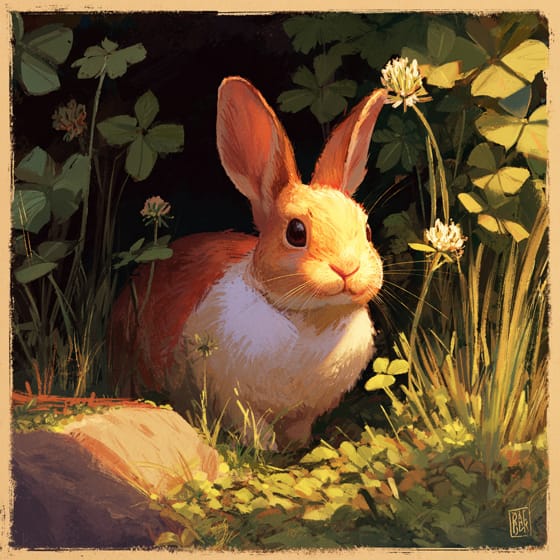
Oryctolagus cuniculus
grazes on leaves and stems
Liriomyza malvae
larvae tunnel within leaves
Aromatic plants produce and emit fragrant volatile organic compounds, often for defense or to attract pollinators.
Deciduous plants periodically shed all their leaves, typically during autumn or dry seasons.
Flowering plants are any plants that produce flowers as part of their reproductive cycle.
Summer blooming plants produce their flowers during the summer season, often providing vibrant color when many other plants have finished.

Edible plants are those parts of a plant that are considered safe for human consumption.

Describes plants that are particularly attractive and beneficial to a wide range of pollinating organisms.

This habitat trait indicates species that can coexist with humans in urban and suburban environments, utilizing man-made structures and green spaces.
No aliases listed yet.
Danger
1/5 · Very low
Always check with an adult before touching or eating any plants.
The easiest way to identify dwarf mallow is to use the Snappit nature identifier app.
10-60 cm
20-90 cm
1-1.5 cm
Late spring to fall
Yes
None
Annual
Zoom in to split clusters and explore where this object has been snapped.

Michigan, US
You might spot Eastern Gray Squirrel, Tree-Of-Heaven, and House Sparrow.
View guide →

New Mexico, US
You might spot Pronghorn, Great-Tailed Grackle, and Redstem Stork's-Bill.
View guide →

Pennsylvania, US
You might spot Spotted Lanternfly, Duck, and Asian Lady Beetle.
View guide →

New York, US
You might spot Rock Pigeon, House Sparrow, and Eastern Gray Squirrel.
View guide →

New York, US
You might spot Bald Eagle, Common Reed, and Ring-Billed Gull.
View guide →

Michigan, US
You might spot Eastern Gray Squirrel, Rock Pigeon, and House Sparrow.
View guide →
Take the discovery with you
Snap it with Snappit to identify it, learn what makes it special, and add the discovery to your collection.







.jpg&width=800)



_001.jpg&width=800)



