




shortleaf pine
Pinus echinata
The shortleaf pine is a tall tree with long, slender needles. It grows in forests and provides homes for many animals. Its cones are small and can be found hanging from the branches.
Habitat: Forests
The shortleaf pine has a straight trunk with reddish-brown, scaly bark often showing small resin pockets. Its needles are a vibrant yellowish-green, grouped in bundles of two or three. Small, egg-shaped cones with stiff prickles further distinguish this pine.
Category
PlantsRarity
Common
Danger
1/5 · Very low
Snaps
Be the first to snap!
Its cones contain tiny winged seeds that twirl like helicopters when falling!
Some native cultures used its sticky sap as a traditional adhesive or medicine!
This resilient tree can live for over 200 years, watching generations pass by!
Wow, shortleaf pine wood has been used for everything from ships to homes!
The shortleaf pine can survive ground fires thanks to its thick, scaly bark and ability to resprout from its base.
This pine can regrow new shoots from its trunk base after damage, helping it recover quickly from fires.
The shortleaf pine has a deep taproot that helps it find water deep underground, surviving dry spells.
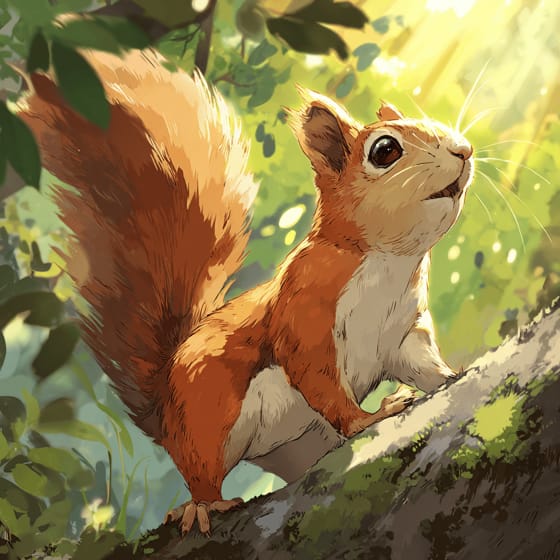
Sciurus carolinensis
feasts on its nutritious seeds.

Odocoileus virginianus
browses on young seedlings and tender needles.
.jpg&width=800)
Setophaga pinus
builds nests and hunts insects in its crown.
Dendroctonus frontalis
tunnels under the bark, weakening the tree.
Coniferous plants are typically evergreen, bearing needles or scales and reproductive cones.
Evergreen plants retain their foliage throughout the year, never shedding all their leaves at once.
Describes plants that are particularly attractive and beneficial to a wide range of pollinating organisms.
Timber refers to wood that has been prepared for use in building and carpentry.

Forest habitats are terrestrial environments dominated by dense tree cover, supporting a high diversity of plant and animal life.

This trait characterizes organisms with an exceptionally long lifespan compared to others of their kind.

Describes a species whose presence and role have a disproportionately large effect on its environment.
No aliases listed yet.
Danger
1/5 · Very low
Stay on paths when exploring forests and watch out for falling pine cones.
The easiest way to identify shortleaf pine is to use the Snappit nature identifier app.
2000-4000 cm
800-1500 cm
Yes
None
Perennial
Wind
Forests
Zoom in to split clusters and explore where this object has been snapped.
Recent snaps will appear here as new observations are added.
Take the discovery with you
Snap it with Snappit to identify it, learn what makes it special, and add the discovery to your collection.








.jpg&width=800)



_001.jpg&width=800)


