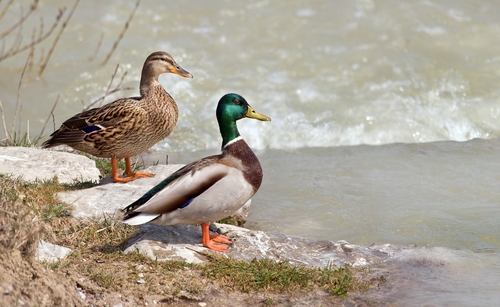
Duck
Oxon Run Parkway is a vital natural corridor in Southeast Washington, D.
Oxon Run Parkway is a vital natural corridor in Southeast Washington, D.C. This 126-acre federal parkland, managed by the National Park Service, protects the vibrant ecosystem of the Oxon Run stream valley, featuring wetlands, floodplains, and mature forests. It's a special place renowned for its ecological significance, particularly hosting the District of Columbia's last remaining McAteen magnolia bogs. Visitors can explore diverse habitats, from pristine upland forests of beech trees and mountain laurel to the winding channels and deep pools of the Oxon Run stream itself.
The parkway's varied landscapes support a rich array of plant life, offering a unique opportunity for botanical exploration. Enthusiasts can discover characteristic bog flora such as the stately sweetbay magnolia, various Sphagnum mosses, and even delicate orchids and pitcher plants within the specialized magnolia bog ecosystem. Beyond these unique features, the parkway's forests are home to swamp white oaks, wild raisins, eastern skunk cabbage, and a variety of ferns, including sensitive and New York ferns, providing a dynamic natural display throughout the seasons.
Visiting Oxon Run Parkway provides a refreshing immersion in nature, a welcome contrast to the urban bustle. It's a memorable destination for those seeking tranquility, offering well-maintained trails for leisurely strolls, invigorating runs, and engaging environmental education. The chance to observe native wildlife in their natural settings, especially rare plant communities, makes the parkway a truly rewarding experience for nature lovers and photographers alike. Take the ultimate field guide with you: use the Snappit app to identify birds, plants, and animals on your trip.
The genesis of Oxon Run Parkway dates back to 1926 when the National Capital Park and Planning Commission (NCPPC) began acquiring land to create public park space for D.C. residents and to manage floodplains. Initially envisioned to include a road, the parkway concept evolved, with the focus shifting towards recreation and flood control, leading to the road plans being dropped. The area gradually expanded over decades, eventually reaching 150 acres, and officially became a park managed by the National Park Service in 1971. A significant portion of the parkway, approximately 94 acres, was once part of the Camp Simms rifle range. Following the range's closure, extensive clean-up efforts were undertaken, concluding in 2000, to remove ammunition and address lead-contaminated soils. This restoration paved the way for ecological rehabilitation, including stabilizing the soil and planting new vegetation, preserving the unique natural heritage visitors enjoy today.
Enjoy hiking, running, and walking along the scenic trails. Engage in birdwatching, nature photography, and peaceful contemplation. The park also serves as a valuable site for environmental education.
Spring: Witness blooming mountain laurel, orchids, and bluebell flowers (nearby Rock Creek Trail mentioned as having bluebells in early spring, which can indicate similar flora in the region).
Fall: Experience stunning fall foliage as the diverse tree species change color.
Winter: Enjoy a quieter, stark beauty and easier wildlife spotting as foliage thins.
The Oxon Run Trail has been recently rehabilitated and expanded with wider paths, improved lighting, and ADA-required changes to enhance accessibility for a wide range of users, including those with wheelchairs or strollers.
An easygoing, 3.4-mile trail winding through forested areas with panoramic views.
Discover the unique ecosystem featuring sweetbay magnolias, Sphagnum mosses, orchids, and pitcher plants.
Explore areas dominated by stately beech trees and beautiful mountain laurel.
Observe the winding channels, sandbars, and deep pools of this vital waterway.
Each card links to a full Explore page with photos, traits, and fun facts.
Start with the big picture, then zoom in to explore individual wildlife observations around this place.
Visit in spring or fall
These seasons offer the most comfortable weather for outdoor activities and showcase the parkway's flora at its best.
Explore the Oxon Run Trail
This well-maintained, easygoing trail is the primary way to experience the parkway's diverse habitats.
Bring binoculars
For birdwatchers, the parkway's natural setting provides opportunities to spot various bird species.
Wear appropriate footwear
Comfortable walking or hiking shoes are recommended for exploring the trails.
Look for the magnolia bogs
Seek out these unique ecosystems to discover the rare sweetbay magnolias, orchids, and pitcher plants.
Check for local events
Organizations like Ward 8 Woods Conservancy may host events or guided walks that can enrich your visit.
Jun 4, 2026
Photo attribution
(c) Frederick Nunley, some rights reserved (CC BY)
License: CC BY 4.0 ↗
Image may be shown cropped inside the card frame.
Jun 4, 2026
Photo attribution
(c) Frederick Nunley, some rights reserved (CC BY)
License: CC BY 4.0 ↗
Image may be shown cropped inside the card frame.
Jun 1, 2026
Photo attribution
(c) Frederick Nunley, some rights reserved (CC BY)
License: CC BY 4.0 ↗
Image may be shown cropped inside the card frame.
Jun 1, 2026
Photo attribution
(c) Frederick Nunley, some rights reserved (CC BY)
License: CC BY 4.0 ↗
Image may be shown cropped inside the card frame.
May 31, 2026
Photo attribution
(c) Frederick Nunley, some rights reserved (CC BY)
License: CC BY 4.0 ↗
Image may be shown cropped inside the card frame.

Maryland, US
You might spot White-Tailed Deer and Eastern Gray Squirrel.
View guide →
.jpg)
District of Columbia, US
You might spot Eastern Gray Squirrel, Duck, and House Sparrow.
View guide →

Illinois, US
You might spot American Robin, Canada Goose, and House Sparrow.
View guide →

Virginia, US
You might spot Spotted Lanternfly and Northern Cardinal.
View guide →
Take the discovery with you
Identify the wildlife you spot, learn as you go, and keep a collection of the adventure.