





Echo Azure
Celastrina echo
The Echo Azure is a beautiful little butterfly with bright blue wings. It flutters around flowers and is often seen in gardens and meadows, bringing joy to everyone who spots it.
Habitat: Meadows
The Echo Azure has iridescent, shimmering blue upperwings with thin dark margins, especially noticeable in males. Its undersides are a duller, silvery-white or grey. This small butterfly's vibrant blue sets it apart from many other subtle-colored insects.
Category
InsectsRarity
Common
Danger
1/5 · Very low
Snaps
9
Echo Azure caterpillars are often tended by ants, who protect them in exchange for a sweet treat they secrete.
The 'Echo' in its name comes from a Greek myth about a nymph who could only repeat others' words!
Their wings are covered in thousands of tiny scales, which reflect light to create their dazzling blue color.
This tiny butterfly sometimes flies in 'broods,' meaning many can emerge together in spring or summer!
Echo Azure caterpillars can change color to perfectly match their host plants, helping them hide from hungry birds.
Echo Azures have a long, coiled proboscis that helps them drink sweet nectar from deep inside flowers.
Echo Azures undergo complete metamorphosis, transforming from a tiny egg to a caterpillar, then a chrysalis, and finally a butterfly.
Adults sip flower nectar; caterpillars munch on leaves, buds, and flowers of specific plants.
Age differences: Larvae eat plant parts, while adults drink nectar.
Cercis canadensis
Larvae feed on its leaves and flowers.
Vaccinium corymbosum
Caterpillars often feed on its buds and leaves.

Eupatorium perfoliatum
Adults visit its flowers for nectar, aiding pollination.
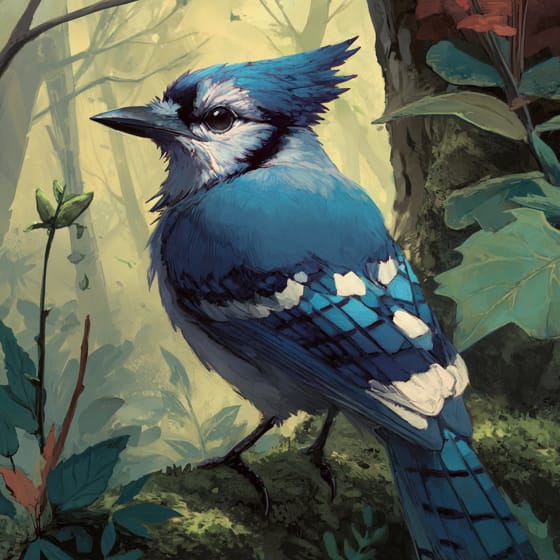
Cyanocitta cristata
Adult butterflies can be prey for birds.
Social animals live in organized groups, cooperating for survival benefits such as foraging, defense, and raising offspring.
Colorful describes organisms or objects displaying a wide range of bright and distinct colors.
Grassland habitats are terrestrial biomes dominated by grasses and herbaceous plants, supporting a variety of grazing animals.
This trait characterizes organisms whose diet consists entirely or primarily of plant material.

Describes plants that are particularly attractive and beneficial to a wide range of pollinating organisms.

Diurnal animals are primarily active during daylight hours, typically resting or sleeping at night.

Pertaining to species that are significantly smaller than typical or average for their kind.

Describes organisms that transfer pollen, enabling the fertilization and reproduction of plants.
Danger
1/5 · Very low
Butterflies are gentle creatures, but it's best to watch them without touching.
The easiest way to identify Echo Azure is to use the Snappit nature identifier app.
25-38 mm
18-25 mm
7-14 days
10 km/h
Adults sip flower nectar; caterpillars munch on leaves, buds, and flowers of specific plants.
Meadows
Foraging
Zoom in to split clusters and explore where this object has been snapped.

California, US
You might spot Monarch, Bee, and Anise Swallowtail.
View guide →

California, US
You might spot White Globe Lily, Rose Campion, and Pipevine Swallowtail.
View guide →

British Columbia, CA
You might spot Green Comma, Mourning Cloak, and Hoary Comma.
View guide →
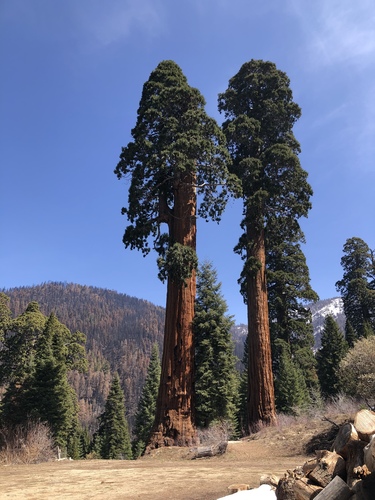
California, US
You might spot Sequoia, Mountain Misery, and Black Bear.
View guide →

Arizona, US
You might spot Rainbow Hedgehog Cactus and Red-Tailed Hawk.
View guide →

Washington, US
You might spot Hoary Marmot, White Pasqueflower, and Avalanche Lily.
View guide →
Take the discovery with you
Snap it with Snappit to identify it, learn what makes it special, and add the discovery to your collection.






.jpg&width=800)



