_Figures_1%E2%80%934.jpg&width=800)





Elm Leafminer
Fenusa pusilla
The Elm Leafminer is a tiny insect that loves to munch on elm leaves. It makes little tunnels inside the leaves, which can look like tiny mazes! These insects are interesting to watch as they create their homes in the leaves.
Habitat: Urban areas
The Elm Leafminer is a tiny, shiny black sawfly with an oval-shaped body and yellowish-white legs. Its wings are clear and membrane-like, often appearing slightly smoky. It can be visually differentiated from other small dark insects by its characteristic sawfly appearance, lacking the narrow 'wasp waist' of true wasps.
Category
InsectsRarity
Common
Danger
1/5 · Very low
Snaps
Be the first to snap!
Each Elm Leafminer larva lives entirely hidden inside an elm leaf, eating its way through the middle!
Female leafminers use a special saw-like tool on their body to tuck their eggs right inside elm leaves!
These tiny insects are sawflies, not moths or beetles, making them distant relatives of wasps!
They spend the whole winter sleeping underground as pupae, waiting for spring to arrive!
Elm Leafminer has a special saw-like tool that helps them cut tiny slits into elm leaves to lay eggs safely inside.
Elm Leafminer larvae can live and feed entirely inside an elm leaf, protected from many dangers because of their habitat.
Elm Leafminers can spend the entire winter as pupae buried in the soil, safely waiting for spring because of this ability.
Elm Leafminer larvae feast on the tender inner tissues of elm leaves, while adults may sip nectar.
Age differences: Larvae consume leaf tissue; adults are thought to feed sparingly on nectar or not at all.
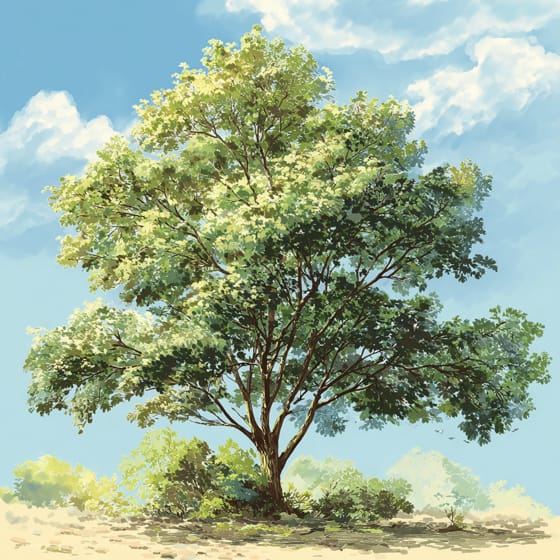
Ulmus americana
Larvae feast on the tender inner layers of its leaves.

Ulmus minor
Their primary food source are the nutrient-rich tissues inside its leaves.
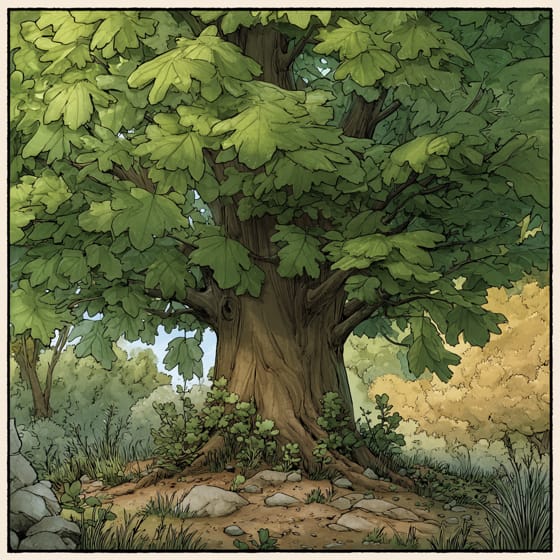
Ulmus glabra
Its leaves are a common food source for the developing larvae.
Adelognathus americanus
Its larvae develop inside the Elm Leafminer larvae.
Solitary animals live alone for most of their lives, only interacting with others for mating or parental care.
This trait characterizes organisms whose diet consists entirely or primarily of plant material.
Diurnal animals are primarily active during daylight hours, typically resting or sleeping at night.
Pertaining to species that are significantly smaller than typical or average for their kind.

This habitat trait indicates species that can coexist with humans in urban and suburban environments, utilizing man-made structures and green spaces.

Describes organisms that transfer pollen, enabling the fertilization and reproduction of plants.
No aliases listed yet.
Danger
1/5 · Very low
It's best to look at insects from a distance and not touch them.
The easiest way to identify Elm Leafminer is to use the Snappit nature identifier app.
8-10 mm
4-5 mm
7-14 days
7 km/h
Elm Leafminer larvae feast on the tender inner tissues of elm leaves, while adults may sip nectar.
Urban areas
Null
Zoom in to split clusters and explore where this object has been snapped.
Recent snaps will appear here as new observations are added.
Take the discovery with you
Snap it with Snappit to identify it, learn what makes it special, and add the discovery to your collection.








.jpg&width=800)




