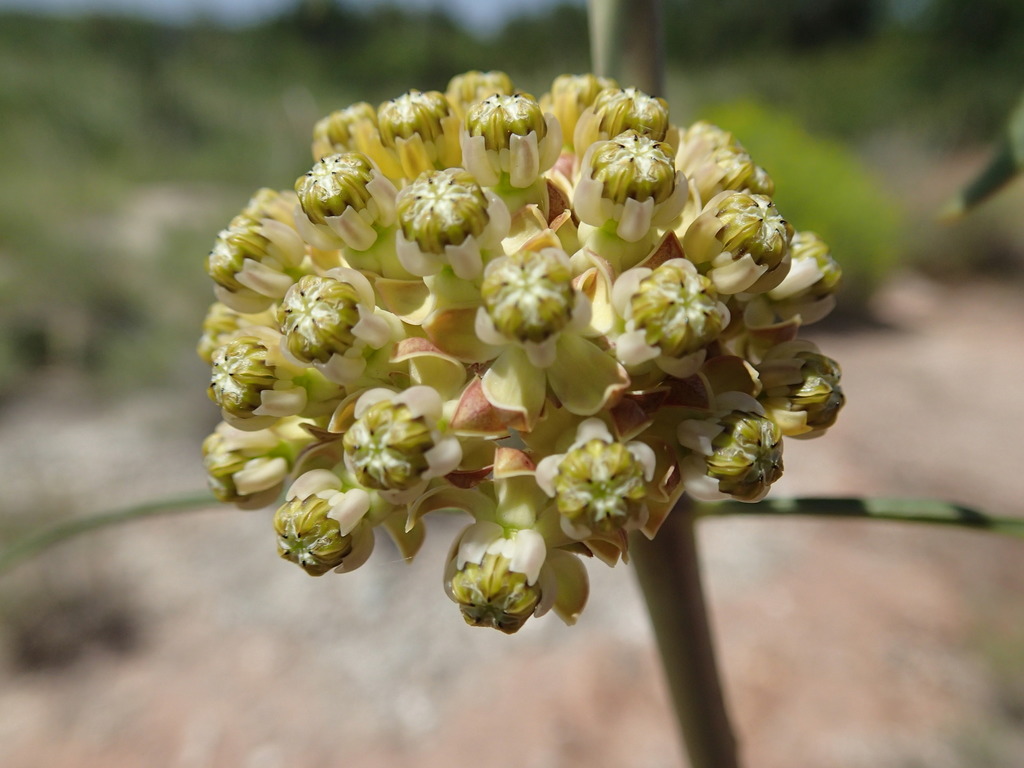





Engelmann's milkweed
Asclepias engelmanniana
Engelmann's milkweed is a beautiful plant with tall stems and clusters of pink flowers. It attracts butterflies and helps them grow, making it a special friend in nature!
Habitat: Grasslands
The Engelmann's milkweed has multiple slender, erect stems with distinctive long, narrow leaves arranged in pairs. Its flowers grow in globe-like clusters at the top, displaying many small, creamy white to greenish-yellow blooms.
Category
PlantsRarity
Common
Danger
1/5 · Very low
Snaps
4
It thrives in dry, sunny places where other plants struggle to grow!
Its sticky white sap can seal cuts if applied carefully to skin!
The tricky flowers sometimes trap insect legs, helping with pollination!
This plant is vital for the amazing migration of Monarch butterflies!
Engelmann's milkweed can produce special chemicals that make its leaves taste bad or toxic to most plant-eaters, helping it defend itself.
Engelmann's milkweed has seeds with silky plumes that catch the wind, allowing them to float far away to find new homes.
Engelmann's milkweed produces sweet nectar that attracts many different insects, which then help it spread its pollen.
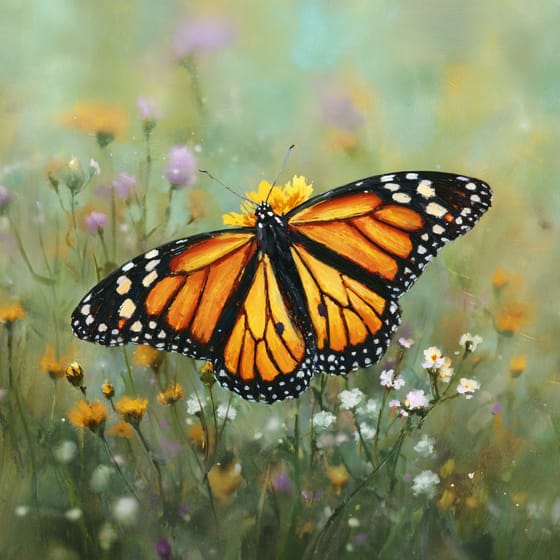
Danaus plexippus
Monarch caterpillars feed on its leaves for growth.
Apis mellifera
Honey bees visit its flowers for nectar and pollen.
.jpg&width=800)
Tetraopes femoratus
Milkweed beetles feed on its stems and leaves.

Aphis nerii
Oleander aphids suck sap from the plant's stems.
Flowering plants are any plants that produce flowers as part of their reproductive cycle.
Cluster flowers are inflorescences where individual flowers are arranged closely together on a common stem.
Summer blooming plants produce their flowers during the summer season, often providing vibrant color when many other plants have finished.
Fragrant flowers emit a pleasant aroma, often to attract pollinators or for defense.

Medicinal plants possess chemical compounds that can be used for therapeutic purposes to treat illnesses or maintain health.

Edible plants are those parts of a plant that are considered safe for human consumption.

Grassland habitats are terrestrial biomes dominated by grasses and herbaceous plants, supporting a variety of grazing animals.

Describes plants that are particularly attractive and beneficial to a wide range of pollinating organisms.

Describes a species whose presence and role have a disproportionately large effect on its environment.
No aliases listed yet.
Danger
1/5 · Very low
Always look but don't touch plants unless you know they are safe.
The easiest way to identify Engelmann's milkweed is to use the Snappit nature identifier app.
30-90 cm
20-40 cm
0.5-1 cm
Late Spring to Early Fall
No
Moderate
Perennial
Zoom in to split clusters and explore where this object has been snapped.

Texas, US
You might spot Silverleaf Nightshade and Green Comet Milkweed.
View guide →

Oklahoma, US
You might spot Lace Hedgehog Cactus and Star Cloak Fern.
View guide →

Texas, US
You might spot Field Bindweed and Purple Groundcherry.
View guide →
Take the discovery with you
Snap it with Snappit to identify it, learn what makes it special, and add the discovery to your collection.







.jpg&width=800)


_001.jpg&width=800)



