





Erethizon
Erethizon
The Erethizon, also known as the North American porcupine, is a spiky animal that loves to climb trees. They are mostly nocturnal and enjoy munching on leaves and bark.
Habitat: Forests
The Erethizon is a large, robust rodent covered in thousands of sharp, barbed quills. Its body is typically brownish-black with a dense layer of yellowish-white quills tipped with black, making it visually distinct from any other North American mammal.
Category
MammalsRarity
Common
Danger
2/5 · Low
Snaps
Be the first to snap!
A baby porcupine is called a 'porcupette' and is born with soft, bendable quills!
Porcupines are the only mammal in North America covered in quills!
Their quills have tiny, overlapping barbs that make them very hard to remove!
They cannot 'shoot' their quills, but they detach super easily if brushed against.
Erethizon can defend itself from predators because of its thousands of sharp, barbed quills that detach easily upon contact.
Erethizon can climb trees efficiently because of strong claws and grippy footpads that help them reach food and safety.
Erethizon has quills that regrow quickly because it helps them maintain their full protective armor after encounters.
This herbivore munches on leaves, twigs, and bark, especially in winter when other foods are scarce.
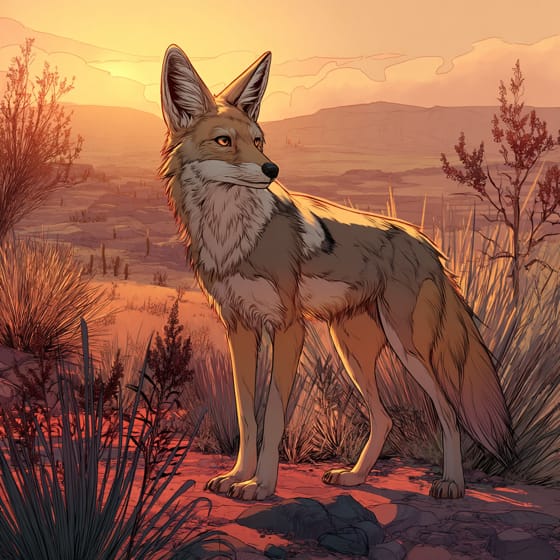
Canis latrans
Coyotes are common predators, often trying to flip porcupines over.
Pekania pennanti
Fishers are agile mustelids known for preying on porcupines in trees.
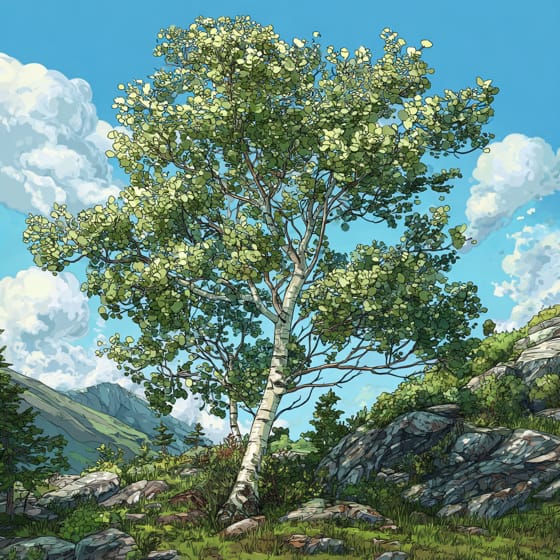
Populus tremuloides
Porcupines strip bark from aspen trees, especially during winter for food.
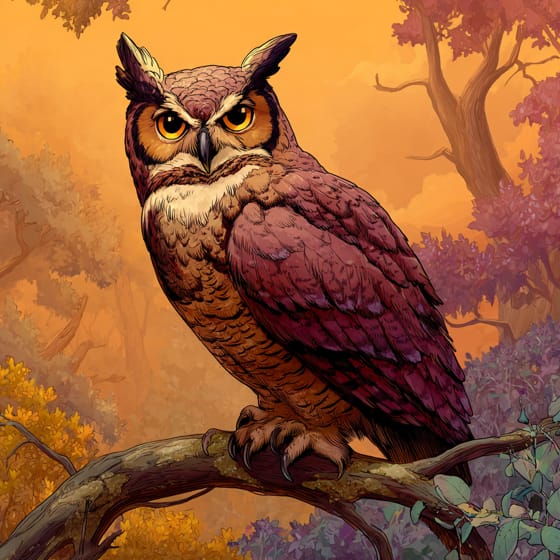
Bubo virginianus
These large owls can prey on porcupines from the air, avoiding quills.
Furry describes animals possessing a dense covering of soft hair or fur.
Arboreal animals live primarily in trees, utilizing them for shelter, food, and protection from predators.
This trait characterizes organisms whose diet consists entirely or primarily of plant material.
Forest habitats are terrestrial environments dominated by dense tree cover, supporting a high diversity of plant and animal life.

Possessing sharp, pointed projections or spines on the body or surface.

Describes a species whose presence and role have a disproportionately large effect on its environment.

Nocturnal animals are primarily active during the nighttime hours, typically resting or sleeping during the day.
No aliases listed yet.
Danger
2/5 · Low
If you see a porcupine, keep a safe distance and do not touch it.
The easiest way to identify Erethizon is to use the Snappit nature identifier app.
75-120 cm
4.5-13 kg
5-10 years
4 km/h
This herbivore munches on leaves, twigs, and bark, especially in winter when other foods are scarce.
Forests
Foraging
Zoom in to split clusters and explore where this object has been snapped.
Recent snaps will appear here as new observations are added.
Take the discovery with you
Snap it with Snappit to identify it, learn what makes it special, and add the discovery to your collection.




.jpg&width=800)


.JPG&width=800)


.jpg&width=800)
