





Felids
Felidae
Felids, like domestic cats, are playful and curious animals. They love to explore their surroundings and can be found in many homes around the world.
Habitat: Urban areas
The Felids are a family of mammals recognized by their generally muscular, sleek bodies and often striking fur patterns, including spots, stripes, or solid colors. Most possess uniquely retractable claws (except cheetahs) and large, forward-facing eyes, giving them a distinct predatory appearance compared to other mammals.
Category
MammalsRarity
Common
Danger
2/5 · Low
Snaps
Be the first to snap!
A felid's whiskers are so sensitive they can detect tiny air currents in the dark!
Many felids have a rough tongue, like sandpaper, to strip meat off bones!
Some felids, like the cheetah, can purr AND roar, while others do only one!
Wild felids use scent marking, like spraying, to communicate important messages to each other!
Felids can move very quietly because of their soft, padded paws and flexible bodies that help them stalk prey unseen.
Felids have sharp, retractable claws (most species) that helps them grip prey and climb trees without dulling their hunting tools.
Felids have excellent night vision, allowing them to see in very low light conditions because of special eye structures.
Felids possess incredibly powerful hind legs and a flexible spine, helping them to launch into high, agile pounces to catch prey.
Felids are skilled hunters that primarily eat meat, ambushing their prey with stealth and speed.
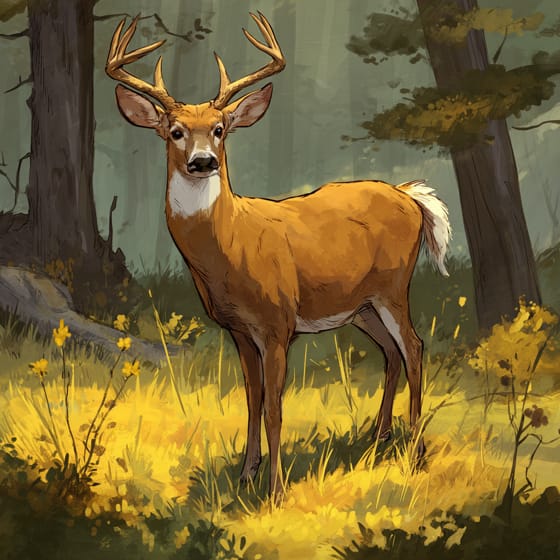
Odocoileus virginianus
A key prey species for many large wild felids.
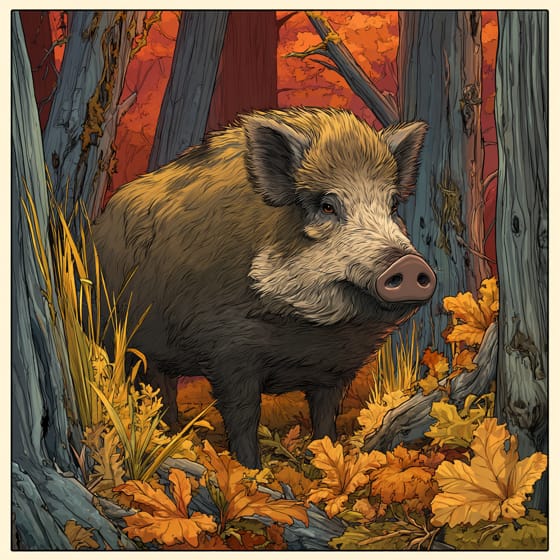
Sus scrofa
Often hunted by large felids like tigers and leopards.
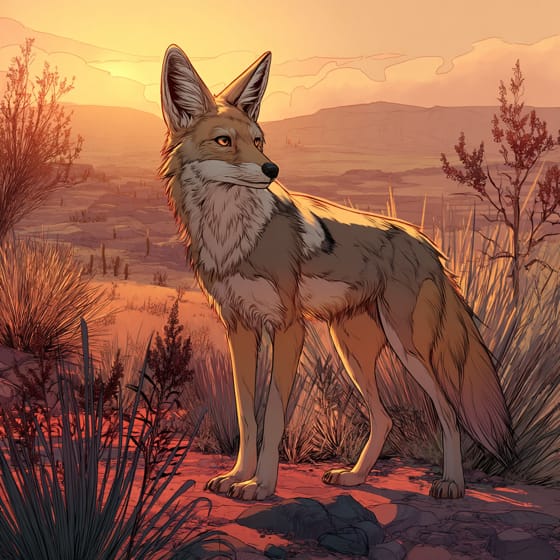
Canis latrans
Can sometimes prey on smaller felids and domestic cats.
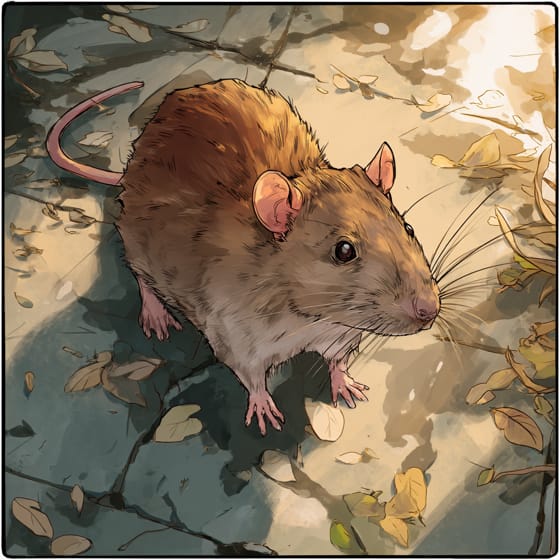
Rattus norvegicus
A common food source for many smaller wild and domestic felids.
Furry describes animals possessing a dense covering of soft hair or fur.
Solitary animals live alone for most of their lives, only interacting with others for mating or parental care.
Domesticated refers to species that have been selectively bred and tamed by humans for specific purposes.
This trait identifies organisms whose diet consists entirely or primarily of animal tissue.

This habitat trait indicates species that can coexist with humans in urban and suburban environments, utilizing man-made structures and green spaces.

Nocturnal animals are primarily active during the nighttime hours, typically resting or sleeping during the day.
No aliases listed yet.
Danger
2/5 · Low
Always be gentle and calm around cats, and let them come to you.
The easiest way to identify Felids is to use the Snappit nature identifier app.
35-330 cm
1-300 kg
10-20 years
110 km/h
Felids are skilled hunters that primarily eat meat, ambushing their prey with stealth and speed.
Urban areas
Ambush
Zoom in to split clusters and explore where this object has been snapped.
Recent snaps will appear here as new observations are added.
Take the discovery with you
Snap it with Snappit to identify it, learn what makes it special, and add the discovery to your collection.




.jpg&width=800)



.JPG&width=800)



.jpg&width=800)
