





fortune's spindle
Euonymus fortunei
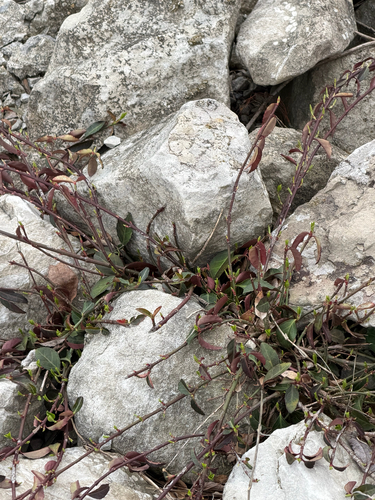
Fortune's spindle is a lovely green shrub with bright pink berries. It can grow in many places and is often used to make gardens look pretty!
Habitat: Urban areas
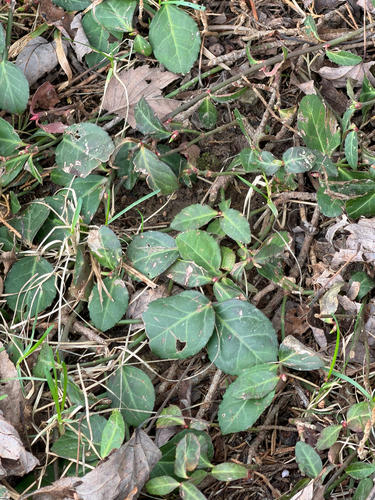
The fortune's spindle is a versatile plant with glossy green leaves, often variegated with cream, yellow, or pink. Its small, inconspicuous greenish-white flowers mature into bright pinkish-red capsules that split open to reveal vibrant orange seeds.
Category
PlantsRarity
Common
Danger
2/5 · Low
Snaps
15
It's nicknamed 'wintercreeper' because it stays green and spreads, even in winter!
Its bright orange seeds are hidden inside colorful pink 'lanterns'!
Some varieties can grow over 20 feet tall, climbing like a vine!
The plant's common name comes from its wood once used to make textile spindles!
fortune's spindle can cling to walls and trees using aerial roots, helping it climb high for more sunlight.
fortune's spindle has leaves that change to stunning reds, purples, or bronzes in cooler weather, helping it adapt to seasons.
fortune's spindle can thrive in a wide range of tough conditions, helping it grow almost anywhere.
Apis mellifera
Visits small flowers for nectar.

Odocoileus virginianus
Browses on leaves and stems.
Ceroplastes rubens
Feeds on plant sap.
Deciduous plants periodically shed all their leaves, typically during autumn or dry seasons.
Flowering plants are any plants that produce flowers as part of their reproductive cycle.
Ornamental plants are cultivated primarily for their aesthetic appeal, enhancing landscapes and gardens with their attractive foliage, flowers, or form.
A shrub is a woody plant smaller than a tree, typically with multiple stems branching from or near the ground.

Pertaining to plants with leaves or petals exhibiting different colors in patches or stripes.

Poisonous organisms produce toxins that can cause harm when ingested, inhaled, or absorbed through contact.

This habitat trait indicates species that can coexist with humans in urban and suburban environments, utilizing man-made structures and green spaces.
No aliases listed yet.
Danger
2/5 · Low
Don't eat the berries, as they can make you feel sick.
The easiest way to identify fortune's spindle is to use the Snappit nature identifier app.
30-600 cm
30-300 cm
0.5-1 cm
Late spring to early summer
No
Mild
Perennial
Zoom in to split clusters and explore where this object has been snapped.
Mar 10, 2026
Selmier State ForestPhoto attribution
(c) Aidan, some rights reserved (CC BY)
License: CC BY 4.0 ↗
Image may be shown cropped inside the card frame.
Mar 10, 2026
Selmier State ForestPhoto attribution
(c) Aidan, some rights reserved (CC BY)
License: CC BY 4.0 ↗
Image may be shown cropped inside the card frame.

Ohio, US
You might spot Blue-Fronted Dancer, American Rubyspot, and Fowler's Toad.
View guide →

District of Columbia, US
You might spot Spotted Lanternfly and Eastern Gray Squirrel.
View guide →
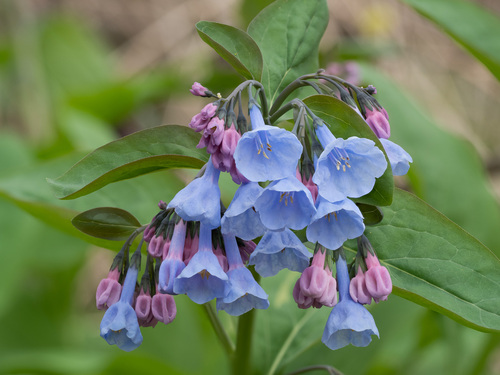
Virginia, US
You might spot Virginia Bluebells and Virginia Springbeauty.
View guide →
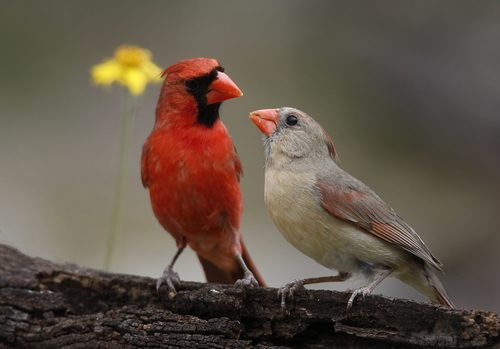
Virginia, US
You might spot Northern Cardinal and Eastern Gray Squirrel.
View guide →
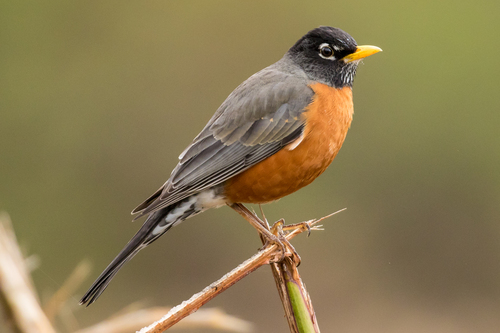
Virginia, US
You might spot American Robin, Red Fox, and Northern Cardinal.
View guide →

Tennessee, US
You might spot American Robin and Eastern Gray Squirrel.
View guide →
Take the discovery with you
Snap it with Snappit to identify it, learn what makes it special, and add the discovery to your collection.







.jpg&width=800)



_001.jpg&width=800)




