





Georgia Oak
Quercus georgiana
The Georgia Oak is a strong tree with beautiful leaves that change colors in the fall. It provides shade and homes for many animals, making it a special part of the forest.
Habitat: Forests
The Georgia Oak is a small-to-medium deciduous tree with distinctive dark, furrowed bark. Its shiny green leaves have 3-7 shallow, bristle-tipped lobes, turning reddish-brown in fall. It typically grows on dry, rocky sites, often appearing shrub-like.
Category
PlantsRarity
Common
Danger
1/5 · Very low
Snaps
1
It's one of the few plants that thrives on bare granite mountains!
Its acorns take two whole years to fully ripen on the tree!
Scientists first discovered this special oak species way back in 1893.
This unique oak only grows naturally in a few Southern states.
Georgia Oak has deep roots that anchor it firmly in thin soil on granite outcrops, helping it survive harsh, dry conditions.
Georgia Oak produces tannins in its leaves and acorns, which act as a natural defense against hungry animals trying to eat them.
The Georgia Oak's thick, dark bark protects it from ground fires, allowing it to regrow even after some burns.
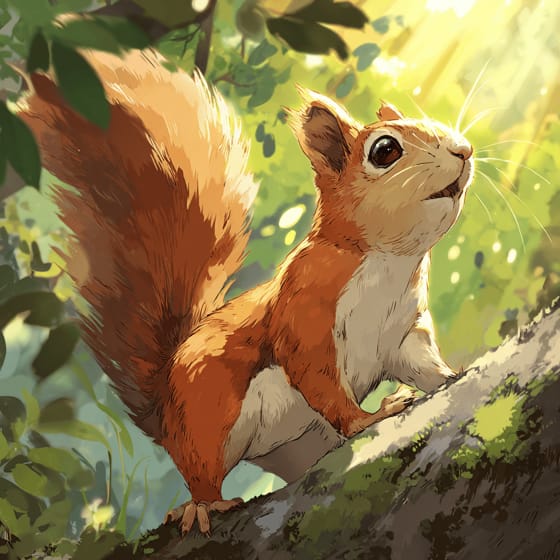
Sciurus carolinensis
Acorns are a key winter food source.

Odocoileus virginianus
Deer browse on leaves and consume acorns.

Poecile carolinensis
Nests in cavities and forages for insects.
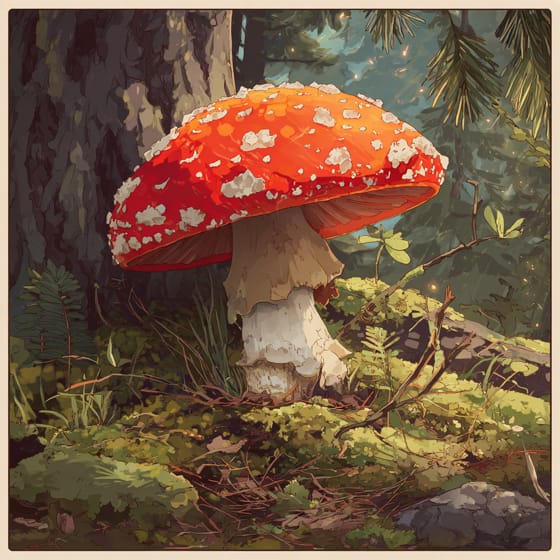
Amanita muscaria
Forms beneficial mycorrhizal root associations.
Deciduous plants periodically shed all their leaves, typically during autumn or dry seasons.
Shade tolerant plants are adapted to grow and thrive in areas with low light levels, requiring less direct sunlight.
Broadleaf trees are angiosperms characterized by flat, wide leaves that are typically shed annually in temperate climates.
Nut bearing plants produce hard-shelled fruits, commonly known as nuts, which contain a single seed and are a valuable food source.

Fall color refers to the seasonal change in foliage pigmentation, primarily in deciduous plants, displaying vibrant hues.

Timber refers to wood that has been prepared for use in building and carpentry.

Forest habitats are terrestrial environments dominated by dense tree cover, supporting a high diversity of plant and animal life.

This trait characterizes organisms with an exceptionally long lifespan compared to others of their kind.

Describes a species whose presence and role have a disproportionately large effect on its environment.
No aliases listed yet.
Danger
1/5 · Very low
Stay clear of falling branches and don't climb too high.
The easiest way to identify Georgia Oak is to use the Snappit nature identifier app.
500-1500 cm
300-1000 cm
0.5-2 cm
Spring (March-April)
No
Mild
Perennial
Zoom in to split clusters and explore where this object has been snapped.
Take the discovery with you
Snap it with Snappit to identify it, learn what makes it special, and add the discovery to your collection.








.jpg&width=800)


_001.jpg&width=800)


