





Giant Leopard Moth
Hypercompe scribonia
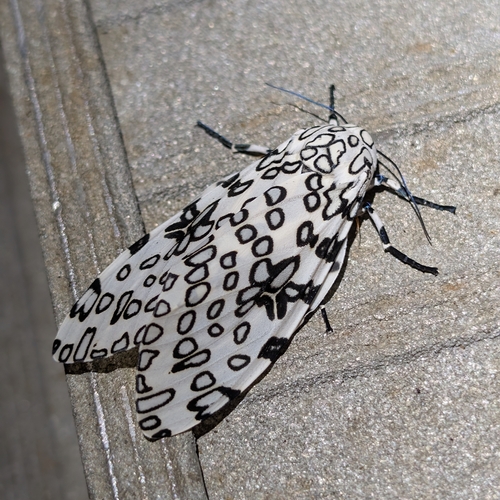
The Giant Leopard Moth is a beautiful insect with big, fluffy white wings covered in black spots. They are often seen at night, fluttering around lights, and are known for their striking appearance.
Habitat: Urban areas
The Giant Leopard Moth has striking pure white wings covered in irregular black spots, some ringed with iridescent blue. Its fuzzy, dark blue body features vibrant orange markings along the sides and a segmented pattern, making it visually distinct from other moths.
Category
InsectsRarity
Common
Danger
1/5 · Very low
Snaps
35
Adult Giant Leopard Moths don't eat; they live off energy saved from their caterpillar days!
Each moth's black spot pattern is totally unique, just like a fingerprint!
If caught, they sometimes play dead to trick predators, lying perfectly still!
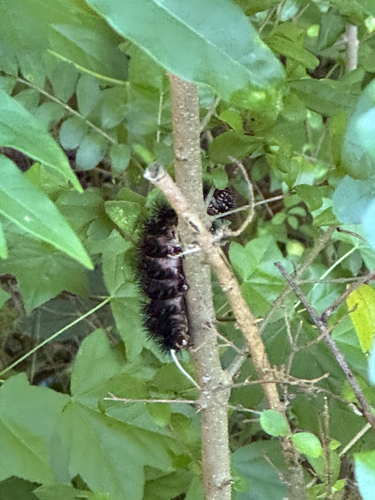
Their spiky black caterpillars are called 'woolly bears' and can even survive freezing temperatures!
Giant Leopard Moth can flash its brightly colored blue-orange abdomen to startle predators, giving it a chance to escape.
Giant Leopard Moth has special hearing organs that help them detect bat echolocation, allowing them to perform evasive flight.
Giant Leopard Moth can release a foul-smelling, noxious fluid from glands near its neck to deter hungry attackers.
Caterpillars are plant-eaters, munching on many leaves, but adult moths do not feed at all!
Age differences: Caterpillars are voracious herbivores, while adult moths do not feed, relying on stored energy.
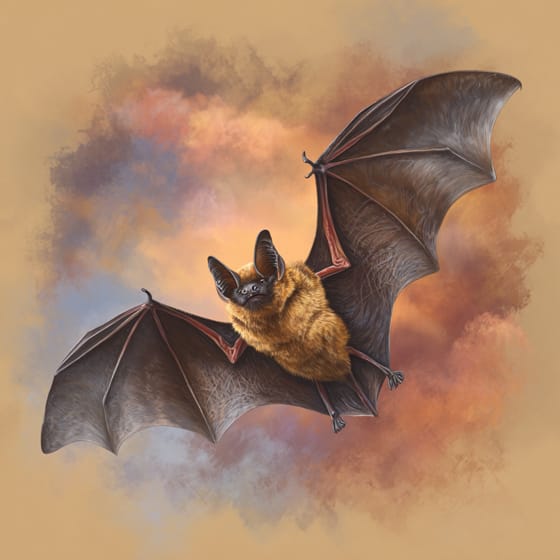
Eptesicus fuscus
Nocturnal hunter of moths, including this species.
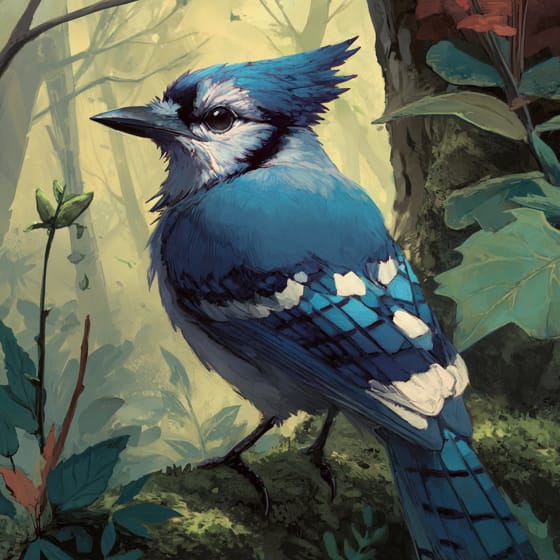
Cyanocitta cristata
Diurnal bird that preys on resting moths and caterpillars.
Plantago major
Caterpillars feed on its leaves, a common host plant.

Taraxacum officinale
Larvae consume the leaves of this widespread plant.
Furry describes animals possessing a dense covering of soft hair or fur.
Marked with spots or patches of a different color.
Solitary animals live alone for most of their lives, only interacting with others for mating or parental care.
Colorful describes organisms or objects displaying a wide range of bright and distinct colors.

This trait characterizes organisms whose diet consists entirely or primarily of plant material.

Giant describes organisms or objects of significantly larger size than average for their species or type.

This habitat trait indicates species that can coexist with humans in urban and suburban environments, utilizing man-made structures and green spaces.

Nocturnal animals are primarily active during the nighttime hours, typically resting or sleeping during the day.
Danger
1/5 · Very low
You can watch these moths, but don't touch them as they might be scared.
The easiest way to identify Giant Leopard Moth is to use the Snappit nature identifier app.
70-90 mm
30-50 mm
5-10 days
15-20 km/h
Caterpillars are plant-eaters, munching on many leaves, but adult moths do not feed at all!
Urban areas
Foraging
Zoom in to split clusters and explore where this object has been snapped.
Jun 15, 2026
Columbia Historic District IPhoto attribution
no rights reserved
License: CC0 1.0 ↗
Image may be shown cropped inside the card frame.
Jun 5, 2026
The State Botanical Garden of GeorgiaPhoto attribution
(c) Leila Dasher, some rights reserved (CC BY)
License: CC BY 4.0 ↗
Image may be shown cropped inside the card frame.

New York, US
You might spot Sundial Lupine, Spotted Horsemint, and New Jersey Tea.
View guide →

South Carolina, US
You might spot Anole, Green Treefrog, and Eastern Gray Squirrel.
View guide →

Connecticut, US
You might spot Bold Jumping Spider and American Tuliptree.
View guide →

Illinois, US
You might spot Brown-Belted Bumble Bee and Eastern Gray Squirrel.
View guide →

Florida, US
You might spot Atala, Monarch, and Brown Anole.
View guide →
.jpg)
Virginia, US
You might spot Great Blue Heron and Canada Goose.
View guide →
Take the discovery with you
Snap it with Snappit to identify it, learn what makes it special, and add the discovery to your collection.







.jpg&width=800)



