





Glover's Silkmoth
Hyalophora gloveri
Glover's Silkmoth is a beautiful moth with big, fluffy wings. They are mostly active at night and love to fly around gardens and forests looking for sweet-smelling flowers.
Habitat: Forests
The Glover's Silkmoth is a large, robust moth with rich reddish-brown wings that lighten towards its fuzzy white body. Each wing features a distinctive white or translucent crescent-shaped spot outlined in black. Its feathery antennae are especially prominent on males.
Category
InsectsRarity
Common
Danger
1/5 · Very low
Snaps
6
Female Glover's Silkmoths wait patiently for males to find them using their powerful scent signals.
Their giant caterpillars are often bright green and covered in colorful bumps called tubercles.
These beautiful moths only live for about a week as adults, making every moment count for mating!
They can sometimes be mistaken for bats when flying at night because of their large size!
Glover's Silkmoth males can detect female pheromones from miles away because of their large, feathery antennae that helps them find a mate.
Glover's Silkmoth larvae can grow up to 10 cm long because they spend their lives eating, helping them store energy for transformation.
Glover's Silkmoth adults have no mouthparts and cannot eat, relying on energy stored as caterpillars, helping them focus on mating.
As caterpillars, they munch on leaves, but adult moths don't eat at all!
Age differences: Caterpillars are voracious leaf-eaters, but adult moths have no functional mouthparts and rely on stored energy.
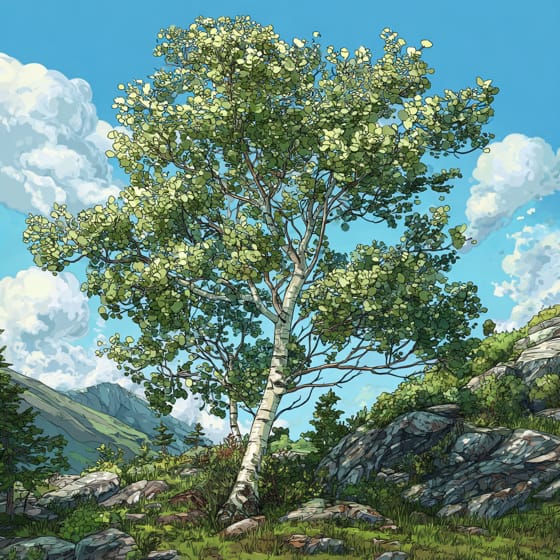
Populus tremuloides
Larvae consume its leaves.
Salix exigua
Caterpillars feed on its foliage.
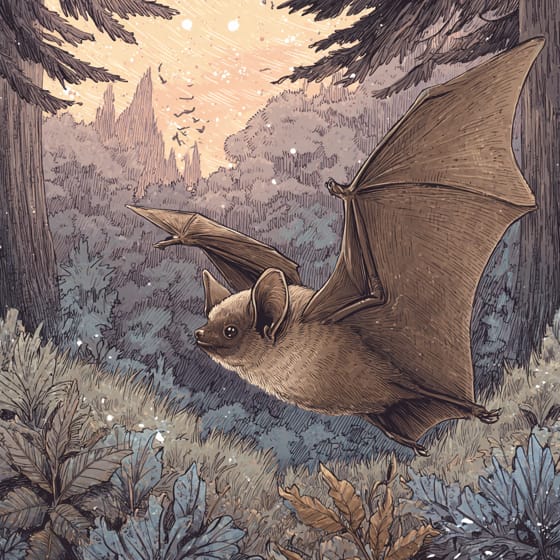
Myotis lucifugus
Adult moths are nocturnal prey for bats.
Lespesia archippivora
Lays eggs on caterpillars, eventually killing them.
Furry describes animals possessing a dense covering of soft hair or fur.
Camouflaged describes organisms that possess coloring or patterns that allow them to blend into their environment.
This trait characterizes organisms whose diet consists entirely or primarily of plant material.
Describes plants that are particularly attractive and beneficial to a wide range of pollinating organisms.

Forest habitats are terrestrial environments dominated by dense tree cover, supporting a high diversity of plant and animal life.

Giant describes organisms or objects of significantly larger size than average for their species or type.

Nocturnal animals are primarily active during the nighttime hours, typically resting or sleeping during the day.

Describes organisms that transfer pollen, enabling the fertilization and reproduction of plants.
No aliases listed yet.
Danger
1/5 · Very low
Moths are gentle creatures, but it's best to watch them from a distance.
The easiest way to identify Glover's Silkmoth is to use the Snappit nature identifier app.
100-150 mm
30-50 mm
5-10 days
15 km/h
As caterpillars, they munch on leaves, but adult moths don't eat at all!
Forests
Foraging
Zoom in to split clusters and explore where this object has been snapped.

Wyoming, US
You might spot Moose, Arrowleaf Balsamroot, and Black Bear.
View guide →

Wyoming, US
You might spot Moose, Uinta Ground Squirrel, and American Bison.
View guide →

Wyoming, US
You might spot Moose, Snowbrush Ceanothus, and Black Bear.
View guide →

Colorado, US
You might spot Moose, Elk, and Whipple's Penstemon.
View guide →

Nevada, US
You might spot Plains Pricklypear and Western Fence Lizard.
View guide →

Colorado, US
You might spot Mule Deer, Woodhouse's Scrub-Jay, and Black-Billed Magpie.
View guide →
Take the discovery with you
Snap it with Snappit to identify it, learn what makes it special, and add the discovery to your collection.







.jpg&width=800)



