





Golden Club
Orontium aquaticum
The Golden Club is a special plant that grows in wet areas like swamps and marshes. It has bright yellow flowers that look like little clubs and can be found near water.
Habitat: Wetlands
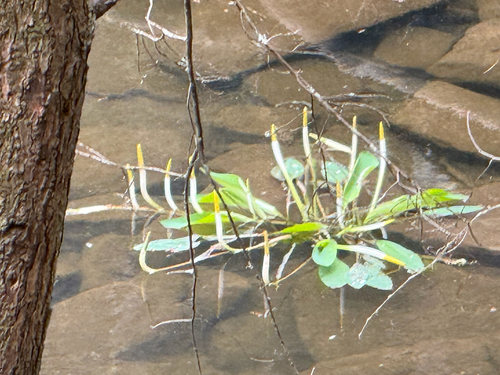
The Golden Club has striking, deep golden-yellow, club-like flower spikes that rise dramatically above the water, uniquely lacking a visible spathe. Its velvety, bluish-green oval leaves often float on the surface, making it look distinct from other aquatic plants.
Category
PlantsRarity
Common
Danger
1/5 · Very low
Snaps
4
Ancient peoples once processed its seeds into flour, but only after carefully roasting them!
Its bright golden 'club' flower lacks the typical protective sheath found on many related plants!
Its golden 'club' is actually a dense cluster of hundreds of tiny individual flowers!
The Golden Club has striking blue-green leaves that repel water, making them feel soft and velvety!
Golden Club has specialized roots that firmly anchor it in muddy wetland soils, helping it resist strong water currents.
Golden Club's leaves have a waxy, velvety coating that repels water, allowing them to float and breathe efficiently.
Golden Club can produce tiny calcium oxalate crystals that deter herbivores from munching on its leaves and stems.
Syrphus ribesii
Visits flowers for pollen and nectar.
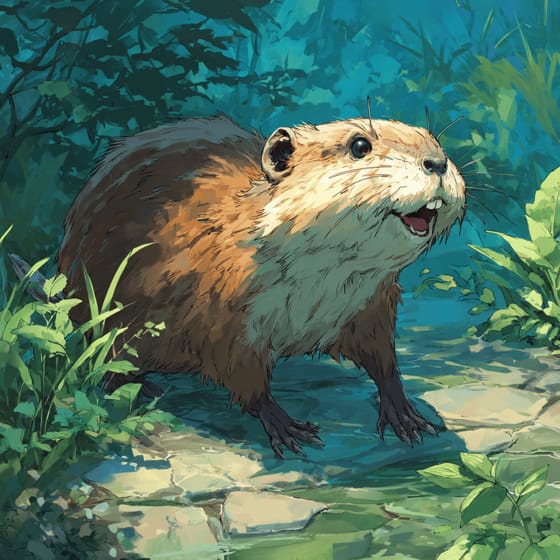
Ondatra zibethicus
May graze on various aquatic plants, including the roots.
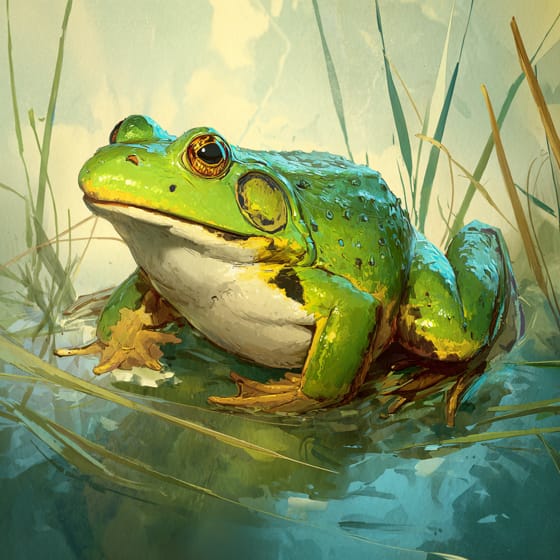
Lithobates clamitans
Hides among its floating leaves near the water's edge.
Flowering plants are any plants that produce flowers as part of their reproductive cycle.
Cluster flowers are inflorescences where individual flowers are arranged closely together on a common stem.
Summer blooming plants produce their flowers during the summer season, often providing vibrant color when many other plants have finished.
Fragrant flowers emit a pleasant aroma, often to attract pollinators or for defense.

Describes plants that are particularly attractive and beneficial to a wide range of pollinating organisms.

This habitat trait identifies species found in wetlands, which are areas of land saturated with water, either permanently or seasonally, including marshes, swamps, and bogs.

Describes a species whose presence and role have a disproportionately large effect on its environment.

Aquatic habitats encompass environments where organisms live predominantly in water, including oceans, rivers, lakes, and wetlands.
No aliases listed yet.
Danger
1/5 · Very low
Always look but don't touch plants in the wild, as some can be prickly or harmful.
The easiest way to identify Golden Club is to use the Snappit nature identifier app.
15-45 cm
30-60 cm
5-10 cm
Spring to early Summer
No
Mild
Perennial
Zoom in to split clusters and explore where this object has been snapped.

Massachusetts, US
You might spot Common Eastern Bumble Bee and Eastern Skunk Cabbage.
View guide →

Pennsylvania, US
You might spot Eastern Tiger Swallowtail and Slowpoke Moth.
View guide →

New Jersey, US
You might spot Blue Corporal and Mountain Laurel.
View guide →

Tennessee, US
You might spot Painted-Cup Paintbrush, Cucumber Root, and Big Bluestem.
View guide →

Mississippi, US
You might spot Golden Club, Southern Cricket Frog, and Dwarf Sundew.
View guide →
Take the discovery with you
Snap it with Snappit to identify it, learn what makes it special, and add the discovery to your collection.







.jpg&width=800)


_001.jpg&width=800)




