





Grape
Vitis vinifera
Grapes are juicy fruits that grow in bunches on vines. They come in different colors like green, red, and purple. People use grapes to make yummy juice, jelly, and even wine!
Habitat: Vineyards
The Grape is a climbing vine with large, lobed green leaves that often turn yellow or red in autumn. Its small, greenish-white flowers grow in clusters, giving way to bunches of round or oval fruits. These grapes can be green, red, purple, or black, often covered in a dusty white coating called 'bloom'.
Category
PlantsRarity
Common
Danger
1/5 · Very low
Snaps
1
A single grapevine can live for over 100 years, still producing fruit!
Grapes are technically berries, growing in clusters on a woody vine.
It takes about 2.5 pounds of grapes to make one bottle of wine!
The waxy 'bloom' on grapes helps protect them from moisture loss and pests.
Grape has special tendrils that help it grip onto supports, allowing it to climb high and reach sunlight.
Grape produces delicious, sugary fruits that attract animals to eat them, helping to spread its seeds.
Grape can grow deep root systems that help it find water and nutrients even in dry soil.
Drosophila melanogaster
Feeds on ripe and fermenting fruit
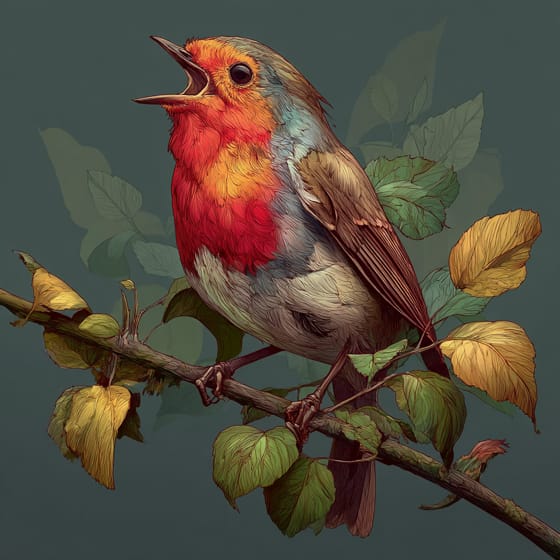
Turdus migratorius
Eats ripe grapes and other berries
Apis mellifera
Visits flowers for nectar and pollen

Vespa crabro
Feeds on sweet fruit, damaging grapes
Climbing or vine plants are characterized by a growth habit that allows them to ascend upwards by twining, tendrils, or adhesive roots.
Deciduous plants periodically shed all their leaves, typically during autumn or dry seasons.
Fruit-bearing plants produce fruits, which are the mature ovaries of flowering plants containing seeds.
A fruit tree is a perennial tree that produces fruit, which is edible to humans or animals.

This human use trait describes species cultivated or domesticated by humans for agricultural purposes, including crops and livestock.

Edible plants are those parts of a plant that are considered safe for human consumption.

This trait signifies organisms belonging to a very old evolutionary group with ancestors dating back millions of years.
Danger
1/5 · Very low
Always wash grapes before eating to remove any dirt or chemicals.
The easiest way to identify Grape is to use the Snappit nature identifier app.
150-1000 cm
200-1500 cm
0.2-0.5 cm
Spring
Yes
None
Perennial
Zoom in to split clusters and explore where this object has been snapped.
Take the discovery with you
Snap it with Snappit to identify it, learn what makes it special, and add the discovery to your collection.









.jpg&width=800)



_001.jpg&width=800)



