





Gray Wall Jumping Spider
menemerus bivittatus
The Gray Wall Jumping Spider is a small and friendly spider that loves to jump around! Kids will be amazed by how this little creature can leap many times its body length!
Habitat: Gray Wall Jumping Spiders can be found in gardens, on walls, and in various outdoor spaces.
The Gray Wall Jumping Spider is a small, flattened spider, typically grey with a white stripe on each side of its dark abdomen and a white band below its large, forward-facing eyes. Its short, thick legs are also patterned, blending seamlessly with urban walls.
Category
InsectsRarity
Common
Danger
1/5 · Very low
Snaps
17
A jumping spider's blood pressure can rapidly increase to power their amazing leaps!
Did you know some jumping spiders perform a special dance to attract a mate?
These tiny hunters don't build webs to catch food; they pounce like a miniature lion!
They often tilt their heads to observe you, showing surprising curiosity!
Gray Wall Jumping Spider has specialized leg hairs that help them cling to smooth vertical surfaces, even glass.
Gray Wall Jumping Spider can deploy a dragline of silk as it jumps, helping them catch themselves if they miss.
Gray Wall Jumping Spider has huge primary eyes that help them spot tiny prey from far away with incredible precision.
These tiny hunters pounce on and eat smaller insects they find on walls and plants.
Musca domestica
A primary food source in urban environments.
Culex pipiens
Hunts these flying pests, helping control their numbers.
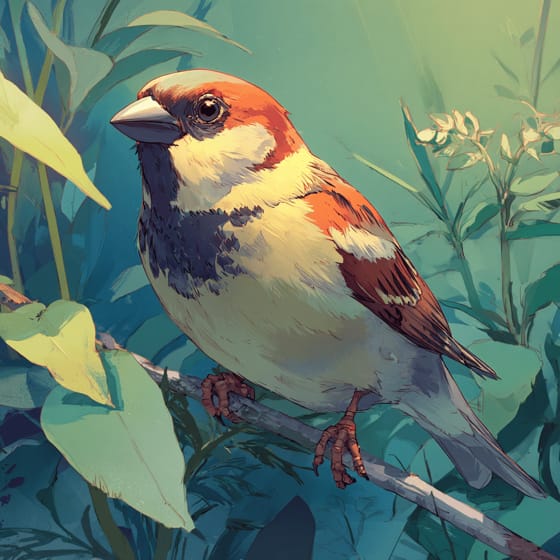
Passer domesticus
Frequently preyed upon by small insectivorous birds.
Anolis carolinensis
Often eaten by small lizards in their shared habitats.
Marked with spots or patches of a different color.
Solitary animals live alone for most of their lives, only interacting with others for mating or parental care.
Colorful describes organisms or objects displaying a wide range of bright and distinct colors.
This trait identifies organisms whose diet consists entirely or primarily of animal tissue.

Diurnal animals are primarily active during daylight hours, typically resting or sleeping at night.
Danger
1/5 · Very low
Always observe spiders from a distance and never try to touch them.
The easiest way to identify Gray Wall Jumping Spider is to use the Snappit nature identifier app.
4-9 mm
365-730 days
These tiny hunters pounce on and eat smaller insects they find on walls and plants.
Gray Wall Jumping Spiders can be found in gardens, on walls, and in various outdoor spaces.
Ambush
8
Zoom in to split clusters and explore where this object has been snapped.

Texas, US
You might spot Brown Anole, Gulf Fritillary, and Pond Slider.
View guide →

Texas, US
You might spot Bottlenose Dolphin and Sea Turtle.
View guide →

Alabama, US
You might spot Red Buffalo-Bur, Eastern Box Turtle, and Anole.
View guide →

Florida, US
You might spot Cuban Tree Frog, Cane Toad, and Bee.
View guide →
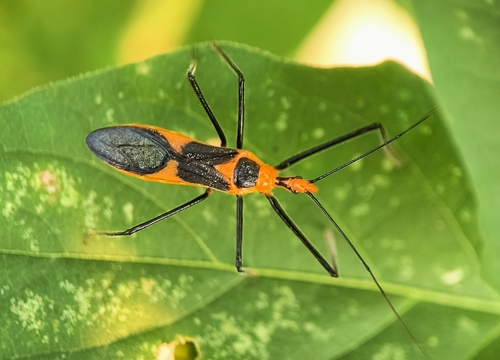
Florida, US
You might spot Milkweed Assassin Bug, Green Iguana, and White Beggarticks.
View guide →

Alabama, US
You might spot Spanish Moss, Mediterranean House Gecko, and Anole.
View guide →
Take the discovery with you
Snap it with Snappit to identify it, learn what makes it special, and add the discovery to your collection.








.jpg&width=800)



