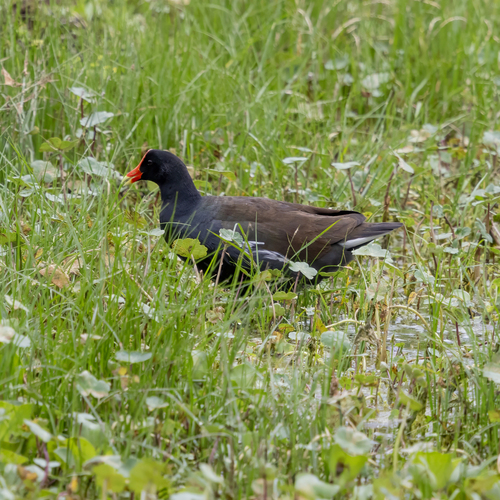
Eastern Box Turtle

Africatown is a powerful testament to human resilience and a vital chapter in American history.
Africatown is a powerful testament to human resilience and a vital chapter in American history. This historic community, nestled north of downtown Mobile, Alabama, was founded by the last known group of Africans forcibly brought to the United States aboard the slave ship *Clotilda*. It stands as a unique living legacy, preserving the remarkable story of its West African founders and their descendants who forged a self-sufficient settlement against all odds. Visitors are invited to explore the enduring spirit and rich cultural heritage that defines this extraordinary place.
The heart of Africatown's narrative is powerfully presented at the Africatown Heritage House, home to "Clotilda: The Exhibition." Here, visitors can delve into the harrowing journey of the 110 enslaved Africans, view actual artifacts recovered from the sunken *Clotilda*, and learn about their extraordinary perseverance. Beyond the Heritage House, key sites include the Africatown Historic Cemetery, the final resting place for many *Clotilda* survivors, and the poignant Bust of Cudjoe Lewis, a prominent founder and the last known survivor of the trans-Atlantic slave trade. Other notable landmarks include the vibrant Mural of the Clotilda and historical markers at Clotilda Landing, marking the site where the ship clandestinely arrived.
A visit to Africatown offers a profound and moving experience, providing an unparalleled opportunity to connect with a pivotal moment in global and American history. It is a place to honor the strength of its founders, understand their struggles, and celebrate their enduring legacy through the community they built. The stories shared and the sites preserved make Africatown a deeply memorable destination, inspiring reflection on freedom, identity, and the power of community. Take the ultimate field guide with you: use the Snappit app to identify birds, plants, and animals on your trip.
Africatown's story begins in 1860 when the *Clotilda*, the last known slave ship to illegally transport Africans to the United States, arrived in Mobile Bay, 52 years after the international slave trade was outlawed. The 110 West Africans aboard were smuggled ashore, and after emancipation, approximately 32 of these individuals, unable to return to their homeland, pooled their resources. They purchased land just north of Mobile, establishing a community where they could retain their West African traditions and languages. This self-governed settlement, originally known as African Town and later Africatown, flourished as a vibrant community. Leaders like Cudjoe Lewis played a crucial role in its development. The Africatown Historic District was designated a site on Mobile's African American Heritage Trail in 2009 and subsequently listed on the National Register of Historic Places in 2012, recognizing its immense historical and cultural significance.
Begin your visit at the Africatown Heritage House to gain a foundational understanding of the community's history. Afterward, take a self-guided walking or driving tour using available brochures to visit outdoor landmarks like the cemetery, the bust of Cudjoe Lewis, and the mural. Reflect on the narratives presented and the enduring legacy of the community. Note that photography is not permitted inside the exhibition area of the Africatown Heritage House.
Mobile experiences warm and humid summers. Be prepared for potential heat if visiting between late spring and early fall. Winter months are generally mild. Check the Africatown Heritage House website for holiday closures.
The Africatown Heritage House facility and its exhibition are fully accessible by wheelchair.
The Exhibition"): This is the primary indoor attraction, offering a comprehensive narrative of the *Clotilda*'s journey, its survivors, and the founding of Africatown, featuring recovered artifacts.
The resting place of many *Clotilda* survivors and generations of Africatown residents.
A memorial honoring one of Africatown's most prominent founders and the last known survivor of the *Clotilda*.
A community-commissioned artwork depicting the slave ship and its story.
Each card links to a full Explore page with photos, traits, and fun facts.
Start with the big picture, then zoom in to explore individual wildlife observations around this place.
Book Tickets in Advance
It is highly recommended to purchase timed entry tickets for the Africatown Heritage House online in advance, as capacity is limited.
Respect the Community
Remember that Africatown is a residential community; please be mindful and respectful of its residents and their privacy during your visit.
Utilize Self-Guided Resources
Download or pick up a self-guided walking tour brochure to help navigate the various historical sites and markers throughout the community.
Wear Comfortable Shoes
Many significant sites in Africatown are best explored on foot, so comfortable walking shoes are advisable.
Check for Special Events
Before your visit, check the Africatown Heritage House or local Mobile tourism websites for information on special events, guided tours, or cultural celebrations, such as Juneteenth festivities or Culture Fest.
Plan for Weather
Mobile, Alabama, can be hot and humid, particularly in warmer months. Dress accordingly and stay hydrated.
Apr 26, 2026
Photo attribution
(c) Dan Vickers, some rights reserved (CC BY)
License: CC BY 4.0 ↗
Image may be shown cropped inside the card frame.
Apr 26, 2026
Photo attribution
(c) Dan Vickers, some rights reserved (CC BY)
License: CC BY 4.0 ↗
Image may be shown cropped inside the card frame.
Apr 26, 2026
Photo attribution
(c) Dan Vickers, some rights reserved (CC BY)
License: CC BY 4.0 ↗
Image may be shown cropped inside the card frame.
May 30, 2026
May 24, 2026

Maryland, US
You might spot White-Tailed Deer and Eastern Gray Squirrel.
View guide →
.jpg)
District of Columbia, US
You might spot Eastern Gray Squirrel, Duck, and House Sparrow.
View guide →

Illinois, US
You might spot American Robin, Canada Goose, and House Sparrow.
View guide →

Virginia, US
You might spot Spotted Lanternfly and Northern Cardinal.
View guide →
Take the discovery with you
Identify the wildlife you spot, learn as you go, and keep a collection of the adventure.