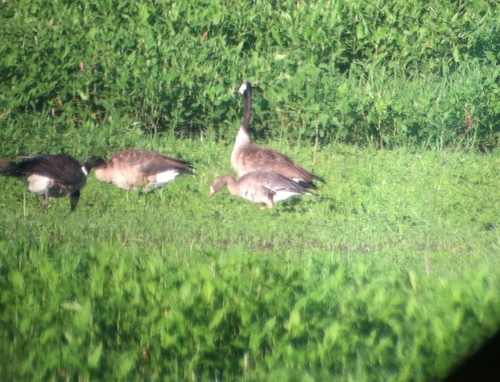
Canada Goose

La Grange Lock and Dam offers a unique blend of engineering marvel and vibrant riverine ecosystem.
La Grange Lock and Dam offers a unique blend of engineering marvel and vibrant riverine ecosystem.
Nestled along the scenic Illinois River, La Grange Lock and Dam serves as a critical navigational artery and a fascinating outdoor destination. This historic site, a testament to early 20th-century engineering, provides a captivating glimpse into the vital role of waterways in American commerce while offering abundant opportunities for recreation and wildlife observation. It's a place where massive towboats navigate through carefully managed waters, juxtaposed with the serene beauty of the surrounding natural environment, making it a compelling visit for those interested in both industrial heritage and the tranquility of nature.
Visitors can witness the impressive operation of the lock as barges and pleasure crafts are raised and lowered through the Illinois Waterway, a truly dynamic spectacle of hydraulic power and human ingenuity. Beyond the mechanics, the area is a haven for diverse wildlife, particularly offering excellent opportunities for birdwatching and fishing. Anglers frequently reel in species like Channel Catfish, White Bass, and Largemouth Bass, while bird enthusiasts can spot everything from majestic Bald Eagles in winter to graceful Great Blue Herons and American White Pelicans throughout the year. The unique Chanoine wicket gates of the dam also present an intriguing engineering feature that changes with river conditions.
Whether you're an avid angler seeking a prime fishing spot, a birdwatcher hoping to catch a glimpse of migratory waterfowl, or simply curious about the operational heart of a major river system, La Grange Lock and Dam offers an engaging and educational experience. Its blend of historical significance, ongoing utility, and rich natural setting provides a memorable outing for all who appreciate the confluence of human endeavor and the wild beauty of the Illinois River. Eager to name that creature? Identify any animal you find during your visit using the Snappit app.
and engineering buffs * Nature lovers seeking a unique outdoor experience
Observe the engineering and mechanics of the lock and dam system.
* Birdwatch for species like Bald Eagles, Great Blue Herons, and American White Pelicans.
* Fish for abundant species such as Channel Catfish, White Bass, Largemouth Bass, and Crappie.
* Enjoy the scenic views of the Illinois River.
Winter: Bald Eagles are a major draw. Dress warmly.
Spring/Fall: Peak migration for many bird species, providing excellent photo opportunities.
Summer: Lush greenery, warmer temperatures for fishing and boating. Insect repellent might be advisable.
Specific accessibility information for the public viewing areas is not detailed. Access to the dam is from the west side of the river, via a scenic country road. Visitors should be prepared for potentially uneven terrain typical of a natural riverfront setting.
Witnessing commercial towboats and barges, or even smaller pleasure crafts, being raised and lowered through the lock.
Observe the unique operational design of the dam, particularly when water levels change.
The river and surrounding areas are prime spots for birdwatching and observing aquatic life.
Each card links to a full Explore page with photos, traits, and fun facts.
Start with the big picture, then zoom in to explore individual wildlife observations around this place.
Bring binoculars or a spotting scope to get a closer look at distant vessels and wildlife.
Check river conditions or the US Army Corps of Engineers website for information on lock operations and potential high water events that might affect visibility or access.
Pack appropriate gear for the season, including sturdy shoes, weather-appropriate clothing, and insect repellent during warmer months.
If you plan to fish, ensure you have a valid Illinois fishing license and are aware of local regulations.
Consider arriving early in the morning or late in the afternoon for optimal wildlife viewing, especially birds, and for softer light for photography.
When boating, contact lock personnel via VHF radio (Channel 14) well in advance for passage instructions, or use a cell phone if within sight.
Apr 27, 2023
Photo attribution
(c) Bryant Brumbill-Corral, some rights reserved (CC BY)
License: CC BY 4.0 ↗
Image may be shown cropped inside the card frame.
Apr 27, 2023
Photo attribution
(c) Bryant Brumbill-Corral, some rights reserved (CC BY)
License: CC BY 4.0 ↗
Image may be shown cropped inside the card frame.
Aug 31, 2014
Photo attribution
(c) Cole Wolf, some rights reserved (CC BY)
License: CC BY 4.0 ↗
Image may be shown cropped inside the card frame.
Aug 31, 2014
Photo attribution
(c) Cole Wolf, some rights reserved (CC BY)
License: CC BY 4.0 ↗
Image may be shown cropped inside the card frame.
Apr 29, 2026

Maryland, US
You might spot White-Tailed Deer and Eastern Gray Squirrel.
View guide →
.jpg)
District of Columbia, US
You might spot Eastern Gray Squirrel, Duck, and House Sparrow.
View guide →

Illinois, US
You might spot American Robin, Canada Goose, and House Sparrow.
View guide →

Virginia, US
You might spot Spotted Lanternfly and Northern Cardinal.
View guide →
Take the discovery with you
Identify the wildlife you spot, learn as you go, and keep a collection of the adventure.