





Grey-headed Woodpecker
Picus canus
The Grey-headed Woodpecker is a colorful bird with a grey head and bright green body. It loves to peck on trees to find tasty bugs to eat. You might hear its fun tapping sound in the forest!
Habitat: Forests
The Grey-headed Woodpecker has a distinctive grey head and nape, contrasting with a yellowish-green body. Males display a small red patch on their forehead. Its plain grey face distinguishes it from similar green woodpeckers, often featuring darker flight feathers.
Category
BirdsRarity
Common
Danger
1/5 · Very low
Snaps
Be the first to snap!
Their call sounds like a mournful, laughing whistle echoing through the quiet forest!
These clever birds primarily feast on ants, often excavating their nests for larvae!
They often forage on the ground, searching for ant nests hidden in the grass!
They typically make new nest holes each year, usually in softer, decaying wood!
Grey-headed Woodpecker has a specially adapted skull that helps them absorb impacts when pecking trees rapidly.
Grey-headed Woodpecker can extend a long, barbed, sticky tongue to snatch ants and their larvae from deep crevices.
Grey-headed Woodpecker has zygodactyl feet (two toes forward, two back) that helps them grip tree bark securely.
Grey-headed Woodpecker can use its stiff tail feathers as a prop that helps them balance while climbing vertical tree trunks.
These woodpeckers mainly munch on ants, especially their larvae and pupae, found in wood and on the ground.
Formica rufa
A primary food source.
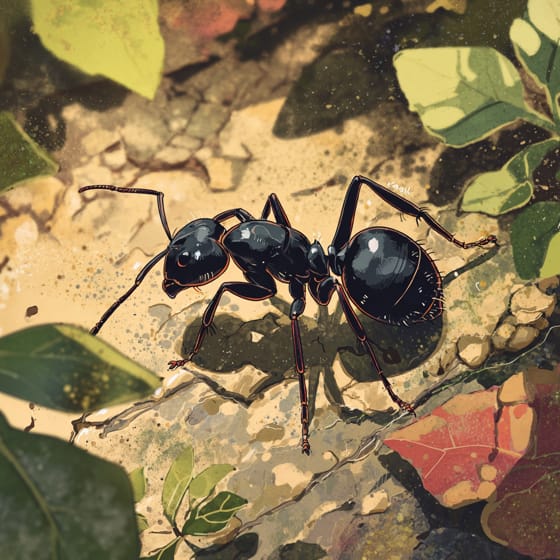
Lasius niger
Often foraged on ground.
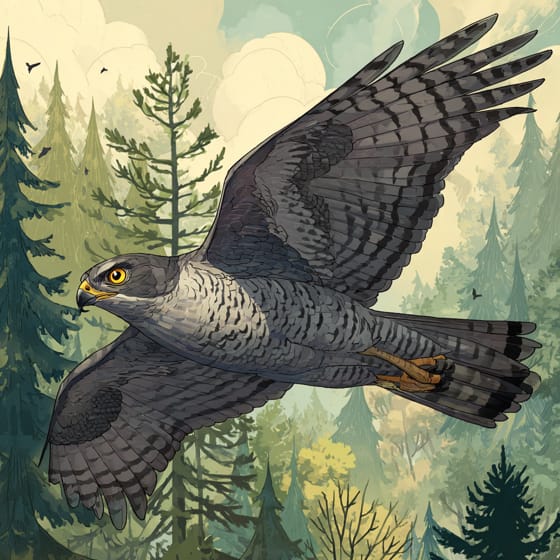
Accipiter gentilis
A natural forest predator.
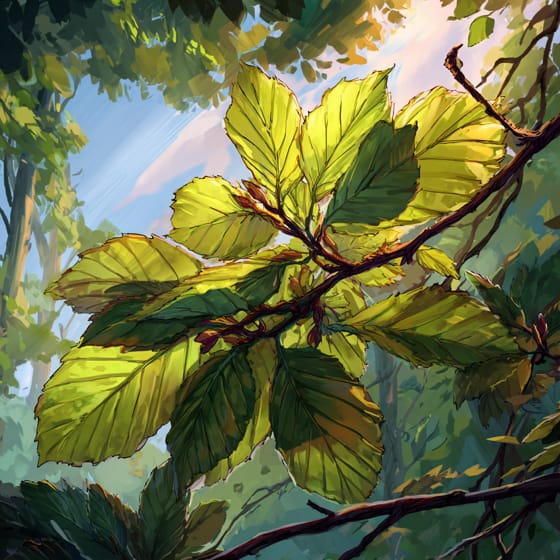
Fagus sylvatica
Nests in old, decaying trees.
Feathered describes animals, primarily birds, possessing a covering of feathers.
Social animals live in organized groups, cooperating for survival benefits such as foraging, defense, and raising offspring.
Arboreal animals live primarily in trees, utilizing them for shelter, food, and protection from predators.
Colorful describes organisms or objects displaying a wide range of bright and distinct colors.

This trait identifies organisms whose diet primarily consists of insects and other small invertebrates.
This trait describes organisms that manipulate external objects to achieve a specific goal.

Forest habitats are terrestrial environments dominated by dense tree cover, supporting a high diversity of plant and animal life.

Diurnal animals are primarily active during daylight hours, typically resting or sleeping at night.
No aliases listed yet.
Danger
1/5 · Very low
Enjoy watching birds from a distance and don't disturb their nests.
The easiest way to identify Grey-headed Woodpecker is to use the Snappit nature identifier app.
25-28 cm
40-42 cm
0.08-0.13 kg
6-10 years
50 km/h
These woodpeckers mainly munch on ants, especially their larvae and pupae, found in wood and on the ground.
Forests
Zoom in to split clusters and explore where this object has been snapped.
Recent snaps will appear here as new observations are added.
Take the discovery with you
Snap it with Snappit to identify it, learn what makes it special, and add the discovery to your collection.




.jpg&width=800)







