





Guinea Paper Wasp
polistes exclamans
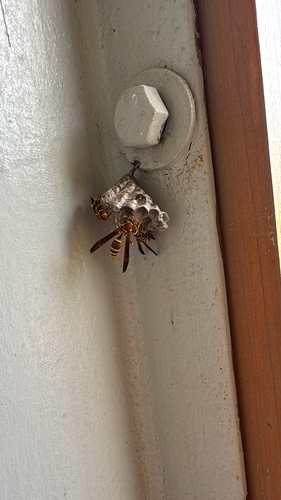
The Guinea Paper Wasp is a fascinating insect that builds its home from paper-like material made from plant fibers. These wasps are known for their unique yellow and black markings and can often be seen buzzing around flowers and trees!
Habitat: Guinea Paper Wasps are commonly found in gardens, forests, and areas with plenty of flowers.
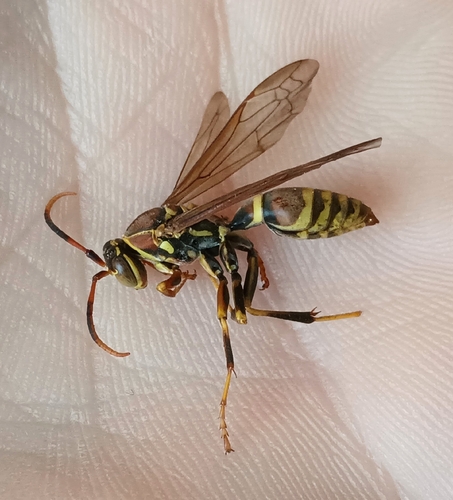
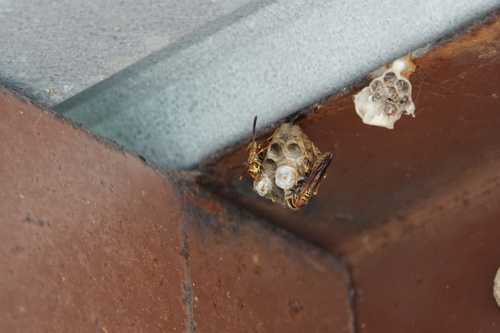
The Guinea Paper Wasp has a slender, reddish-brown body with distinct yellow bands on its abdomen and a primarily black head with some yellow. Its smoky brown wings are often folded lengthwise when at rest, making it appear streamlined and distinct from other wasps.
Category
InsectsRarity
Common
Danger
2/5 · Low
Snaps
8
A new queen starts her entire paper nest colony all by herself!
Some worker wasps can even lay eggs if the queen disappears!
They shake their bodies to signal danger to other wasps in the nest!
Wasp larvae eat chewed-up caterpillars caught by their hunting mothers!
Guinea Paper Wasps can build impressive paper nests from chewed plant fibers and saliva that protect their young.
Guinea Paper Wasps have a venomous sting that helps them defend their colony from threats and subdue prey.
Guinea Paper Wasps can hunt and capture soft-bodied insects like caterpillars to feed their developing larvae.
Adults drink nectar, while larvae feast on insects like caterpillars caught by adults.
Age differences: Larvae are fed chewed-up insects, while adult wasps primarily consume nectar and sweet plant secretions.
Manduca sexta
Wasps catch and chew these caterpillars to feed their young.

Asclepias syriaca
Adult wasps visit flowers like milkweed to drink nectar for energy.
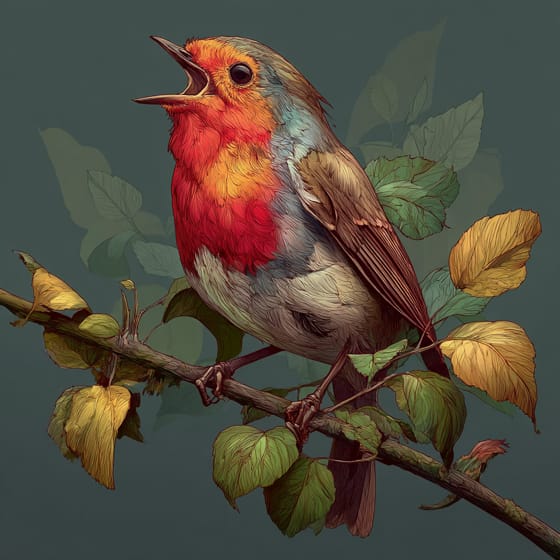
Turdus migratorius
Birds like robins may sometimes prey on adult wasps or their larvae.
Social animals live in organized groups, cooperating for survival benefits such as foraging, defense, and raising offspring.
Colorful describes organisms or objects displaying a wide range of bright and distinct colors.
This trait identifies organisms whose diet consists entirely or primarily of animal tissue.
Diurnal animals are primarily active during daylight hours, typically resting or sleeping at night.

Describes organisms that transfer pollen, enabling the fertilization and reproduction of plants.
Danger
2/5 · Low
Be cautious around nests, as they may sting if they feel threatened.
The easiest way to identify Guinea Paper Wasp is to use the Snappit nature identifier app.
25-35 mm
15-20 mm
20-365 days
15-25 km/h
Adults drink nectar, while larvae feast on insects like caterpillars caught by adults.
Guinea Paper Wasps are commonly found in gardens, forests, and areas with plenty of flowers.
Foraging
Zoom in to split clusters and explore where this object has been snapped.
May 28, 2026
Tennessee AquariumPhoto attribution
(c) charlie olson, some rights reserved (CC BY)
License: CC BY 4.0 ↗
Image may be shown cropped inside the card frame.
Dec 2, 2025
Caldwell Street Historic DistrictPhoto attribution
(c) Raven Dandridge, some rights reserved (CC BY)
License: CC BY 4.0 ↗
Image may be shown cropped inside the card frame.
May 11, 2023
Pomme de Terre Wildlife Management AreaPhoto attribution
(c) Jacob Saucier, some rights reserved (CC BY)
License: CC BY 4.0 ↗
Image may be shown cropped inside the card frame.

Virginia, US
You might spot Pharaoh Cicada, Lesser Celandine, and Eastern Box Turtle.
View guide →
Virginia, US
You might spot Lesser Celandine, Eastern Tiger Swallowtail, and Mayapple.
View guide →

Texas, US
You might spot Honey Mesquite, Anacua, and Alamo Vine.
View guide →

California, US
You might spot Eastern Fox Squirrel, Bee, and House Sparrow.
View guide →

Tennessee, US
You might spot North American River Otter and Sand Tiger Shark.
View guide →

Texas, US
You might spot Duck, Egyptian Goose, and Black-Bellied Whistling-Duck.
View guide →
Take the discovery with you
Snap it with Snappit to identify it, learn what makes it special, and add the discovery to your collection.








.jpg&width=800)



