





Harlequin Duck
Histrionicus histrionicus
The Harlequin Duck is a colorful bird that loves to swim in fast-moving rivers and coastal waters. With its bright patterns, it looks like a little swimming rainbow!
Habitat: Coastal areas, rivers
The Harlequin Duck has striking plumage, with males displaying slate-blue bodies, chestnut flanks, and crisp white patches and crescents on their face and body. Females are duller brown with three distinct white spots on their head, making them look visually different from most other ducks.
Category
BirdsRarity
Common
Danger
1/5 · Very low
Snaps
10
Harlequin ducklings can dive and feed themselves just a few days after hatching!
Harlequins can dive deeper than 30 feet to find their favorite underwater snacks!
These ducks don't quack; instead, they make funny squeaks and whistles!
They will return to the exact same breeding spots on rivers year after year!
Harlequin Ducks can dive and swim against powerful river currents because their streamlined body helps them move with ease.
The Harlequin Duck has strong feet and claws that help them cling to rocks in crashing waves without being swept away.
Harlequin Ducks can see clearly underwater because their eyes are adapted to spot prey in murky or fast-moving water.
These diving ducks love to feast on crunchy insects and tasty shellfish found underwater!
Age differences: Young ducklings start with smaller aquatic insects and gradually add larger prey as they grow.
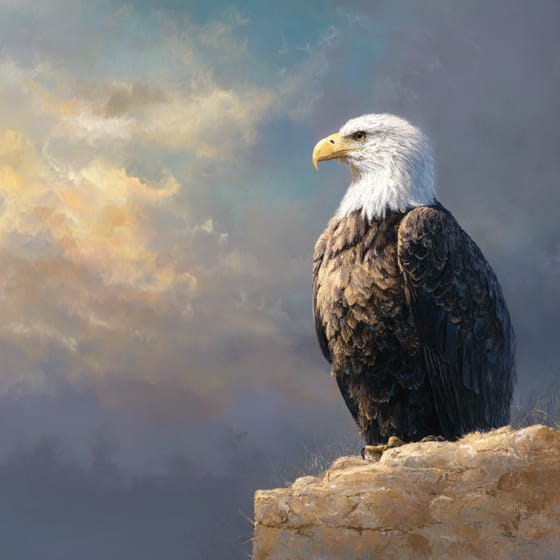
Haliaeetus leucocephalus
Juvenile Harlequins can be prey.
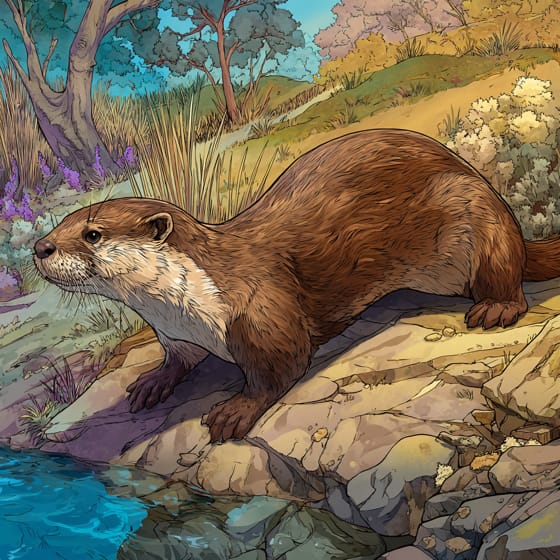
Lontra canadensis
Otters may prey on eggs or ducklings.
Mytilus californianus
Harlequin ducks dive for these shellfish.
Hydropsyche occidentalis
Ducklings and adults eat their larvae.
Feathered describes animals, primarily birds, possessing a covering of feathers.
Characterized by having toes connected by a membrane, typically aiding in swimming.
Social animals live in organized groups, cooperating for survival benefits such as foraging, defense, and raising offspring.
Colorful describes organisms or objects displaying a wide range of bright and distinct colors.

Coastal habitats are dynamic environments located along the interface between land and sea, influenced by tides, waves, and saltwater.

This trait identifies organisms whose diet consists entirely or primarily of animal tissue.

Diurnal animals are primarily active during daylight hours, typically resting or sleeping at night.

Freshwater habitats include non-saline aquatic environments such as rivers, lakes, ponds, and wetlands, vital for numerous species.

Aquatic habitats encompass environments where organisms live predominantly in water, including oceans, rivers, lakes, and wetlands.

Marine habitats encompass all saltwater environments of the Earth's oceans, supporting an immense diversity of aquatic life.

Migratory animals undertake seasonal movements from one region to another, typically in response to changes in climate or food availability.

Threatened status denotes a species likely to become endangered in the foreseeable future without effective conservation interventions.
Danger
1/5 · Very low
Always watch birds from a distance and don't try to touch them.
The easiest way to identify Harlequin Duck is to use the Snappit nature identifier app.
38-46 cm
63-70 cm
0.5-0.75 kg
6-10 years
70 km/h
These diving ducks love to feast on crunchy insects and tasty shellfish found underwater!
Coastal areas, rivers
Zoom in to split clusters and explore where this object has been snapped.

US
You might spot Bald Eagle, Common Raven, and Salmonberry.
View guide →

Montana, US
You might spot Bighorn Sheep and Mountain Goat.
View guide →

US
You might spot Brown Bear, Double-Crested Cormorant, and Bald Eagle.
View guide →

Wyoming, US
You might spot Elk, American Bison, and Killdeer.
View guide →

Montana, US
You might spot Columbian Ground Squirrel, Mule Deer, and Western Redcedar.
View guide →

Wyoming, US
You might spot Elk, American Bison, and American White Pelican.
View guide →
Take the discovery with you
Snap it with Snappit to identify it, learn what makes it special, and add the discovery to your collection.




.jpg&width=800)






