





Heavenly bamboo
Nandina domestica
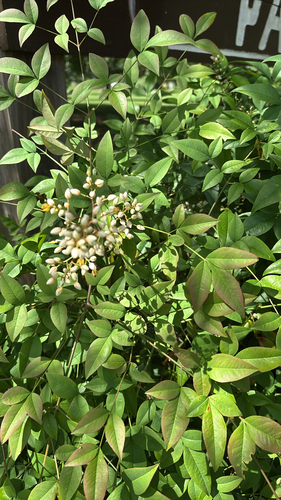
Heavenly bamboo is a lovely plant with bright green leaves that turn red in the fall. It grows small white flowers and colorful berries that birds love to eat!
Habitat: Urban areas
The Heavenly bamboo has distinctive upright, cane-like stems with delicate, fern-like green leaves that transform into vibrant reds and purples in cooler weather. It features clusters of small white flowers followed by bright red berries, making it visually striking year-round.
Category
PlantsRarity
Common
Danger
2/5 · Low
Snaps
23
Despite its name, it's not related to true bamboo at all, but a unique shrub!
In Japan, this plant's leaves symbolize protection against evil spirits and good fortune.
Its vibrant berries can remain on the plant throughout the entire winter season!
Some rare varieties of Heavenly bamboo actually produce beautiful white berries instead of red!
Heavenly bamboo has leaves that change from green to fiery red in fall, helping it survive temperature shifts and stand out.
Heavenly bamboo can produce toxic compounds in its berries and leaves, which helps defend it from being eaten by many animals.
Heavenly bamboo produces bright red berries that attract birds, which helps disperse its seeds across new areas, though berries are harmful.
Heavenly bamboo can spread through underground rhizomes, allowing it to quickly form dense clumps and colonize new space.
Apis mellifera
Visits flowers for nectar and pollen.
Bombus impatiens
Feeds on nectar, aiding plant reproduction.
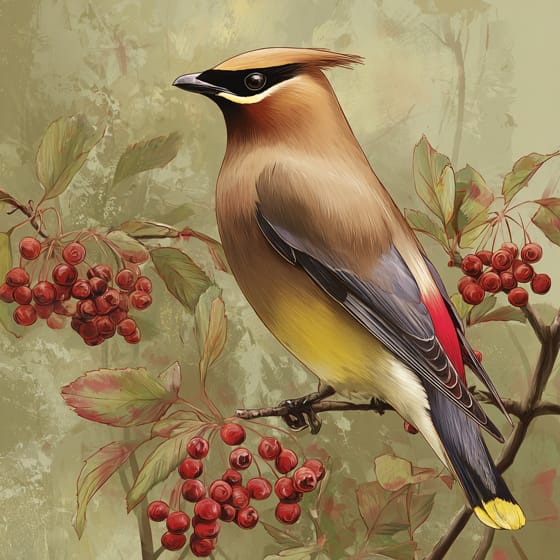
Bombycilla cedrorum
Sometimes consumes berries, which are toxic.
Deciduous plants periodically shed all their leaves, typically during autumn or dry seasons.
Flowering plants are any plants that produce flowers as part of their reproductive cycle.
Ornamental plants are cultivated primarily for their aesthetic appeal, enhancing landscapes and gardens with their attractive foliage, flowers, or form.
A shrub is a woody plant smaller than a tree, typically with multiple stems branching from or near the ground.

Evergreen plants retain their foliage throughout the year, never shedding all their leaves at once.

Fruit-bearing plants produce fruits, which are the mature ovaries of flowering plants containing seeds.

Fall color refers to the seasonal change in foliage pigmentation, primarily in deciduous plants, displaying vibrant hues.

Describes plants that are particularly attractive and beneficial to a wide range of pollinating organisms.

This habitat trait indicates species that can coexist with humans in urban and suburban environments, utilizing man-made structures and green spaces.
Danger
2/5 · Low
Do not eat the berries, as they can make you feel sick.
The easiest way to identify Heavenly bamboo is to use the Snappit nature identifier app.
150-250 cm
60-120 cm
0.5-1 cm
Late spring to early summer
No
High
Perennial
Zoom in to split clusters and explore where this object has been snapped.
Jun 2, 2026
Oak Ridge Historic DistrictPhoto attribution
(c) WhitePaw, some rights reserved (CC BY-SA)
License: CC BY-SA 4.0 ↗
Image may be shown cropped inside the card frame.

Georgia, US
You might spot Gulf Fritillary, Anole, and American Beautyberry.
View guide →

Arkansas, US
You might spot Eastern Gray Squirrel and Asian Lady Beetle.
View guide →

Alabama, US
You might spot American Beautyberry, White-Tailed Deer, and Peppervine.
View guide →

North Carolina, US
You might spot Northern Cardinal, Carolina Wren, and Tufted Titmouse.
View guide →

Alabama, US
You might spot Eastern Box Turtle, Carolina Wren, and Field Sparrow.
View guide →

Texas, US
You might spot Eastern Fox Squirrel and Great-Tailed Grackle.
View guide →
Take the discovery with you
Snap it with Snappit to identify it, learn what makes it special, and add the discovery to your collection.







.jpg&width=800)



_001.jpg&width=800)



