





Heermann's Gull
Larus heermanni
Heermann's Gulls are beautiful birds with gray feathers and bright red bills. They love to hang out by the ocean and are great at catching fish!
Habitat: Coastal areas
The Heermann's Gull has a distinctive dark grey body with a bright white head during breeding season, contrasting sharply with its vibrant red bill tipped in black. Its overall dark plumage and red bill make it easily stand out from other gulls.
Category
BirdsRarity
Common
Danger
1/5 · Very low
Snaps
15
Most Heermann's Gulls breed on a single island off Mexico called Isla Rasa! Wow!
Their white breeding heads turn dark grey in winter, making them look totally different! Wow!
These gulls are unique for flying *north* after breeding, then south for winter! Wow!
They often hang around Brown Pelicans, waiting to snatch fish right from their pouches! Wow!
Heermann's Gull can dive into the ocean to catch fish because it has excellent eyesight and a strong, sharp bill.
Heermann's Gull can steal meals from other birds, like pelicans, because it is quick and opportunistic.
Heermann's Gull has a unique post-breeding migration that takes it north first, then south for winter.
They mostly eat fish but aren't picky, often snatching snacks from other birds or scavenging!
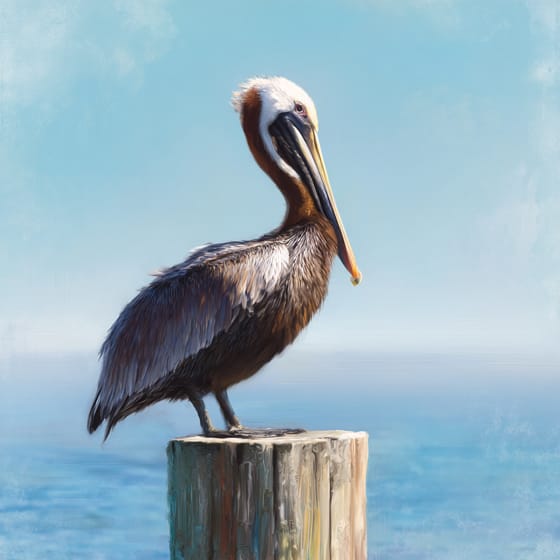
Pelecanus occidentalis
Often follows them to steal fish.
Sardinops sagax
A primary food source for adults.
Engraulis mordax
Another key fish in their diet.
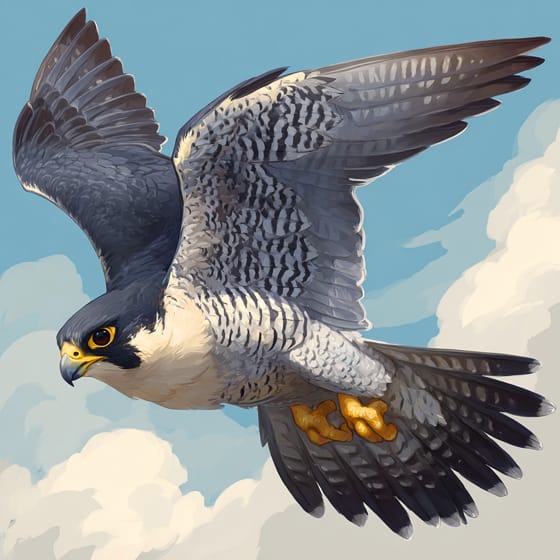
Falco peregrinus
A powerful predator that hunts gulls.
Feathered describes animals, primarily birds, possessing a covering of feathers.
Social animals live in organized groups, cooperating for survival benefits such as foraging, defense, and raising offspring.
Aerial creatures spend a significant portion of their lives airborne, utilizing flight for various activities such as hunting, migration, or nesting.
Piscivorous organisms are animals that primarily subsist on a diet of fish.

Coastal habitats are dynamic environments located along the interface between land and sea, influenced by tides, waves, and saltwater.

Diurnal animals are primarily active during daylight hours, typically resting or sleeping at night.

Marine habitats encompass all saltwater environments of the Earth's oceans, supporting an immense diversity of aquatic life.

Migratory animals undertake seasonal movements from one region to another, typically in response to changes in climate or food availability.
No aliases listed yet.
Danger
1/5 · Very low
Always watch birds from a distance and don't try to touch them.
The easiest way to identify Heermann's Gull is to use the Snappit nature identifier app.
46-54 cm
120-134 cm
0.31-0.6 kg
12-18 years
55 km/h
They mostly eat fish but aren't picky, often snatching snacks from other birds or scavenging!
Coastal areas
Zoom in to split clusters and explore where this object has been snapped.

California, US
You might spot Sunburst Anemone, Ochre Sea Star, and Striped Shore Crab.
View guide →

California, US
You might spot Sunburst Anemone, Western Gull, and Giant Coreopsis.
View guide →

California, US
You might spot Snowy Egret, Great Blue Heron, and Western Gull.
View guide →

California, US
You might spot Western Gull, Sea Lion, and Great Blue Heron.
View guide →
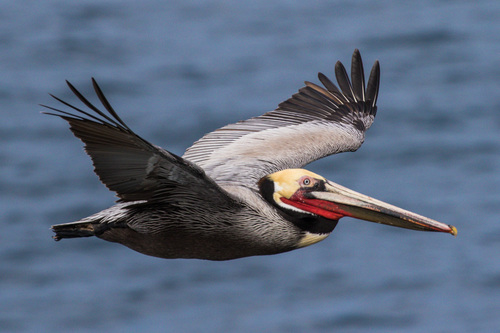
California, US
You might spot Brown Pelican, Black-Crowned Night Heron, and Western Gull.
View guide →

California, US
You might spot Western Gull, Sea Lion, and Great Blue Heron.
View guide →
Take the discovery with you
Snap it with Snappit to identify it, learn what makes it special, and add the discovery to your collection.




.jpg&width=800)








