





Hemlock Looper Moth
Lambdina fiscellaria
The Hemlock Looper Moth is a small, fuzzy moth that loves to flutter around at night. Its caterpillars are green and can be found munching on hemlock trees, making them special little eaters!
Habitat: Forests
The Hemlock Looper Moth has pale grey to tan wings, often marked with faint, wavy dark lines that help it blend into tree bark or lichen. Its slender body is similarly colored, making it well-camouflaged. This pattern distinguishes it from solid-colored moths.
Category
InsectsRarity
Common
Danger
1/5 · Very low
Snaps
5
Adult Hemlock Looper Moths don't eat at all, living only off energy stored as a caterpillar!
Male Hemlock Loopers have fancy, feathery antennae to sniff out females from far away!
Their caterpillars are called 'inchworms' because they move by arching their bodies into a loop!
These moths can cause forests to look like winter in summer, by eating all the needles!
Hemlock Looper Moths can blend perfectly with tree bark because of their mottled grey wings that helps them hide from hungry predators.
Hemlock Looper caterpillars can munch through conifer needles because of their strong mandibles that helps them grow quickly.
Hemlock Looper Moths have large population booms that helps them overwhelm trees during major forest outbreaks.
Young caterpillars munch on tree needles and leaves, while adult moths do not eat at all!
Age differences: Larvae eat tree needles, but adult moths do not feed, relying on stored energy.
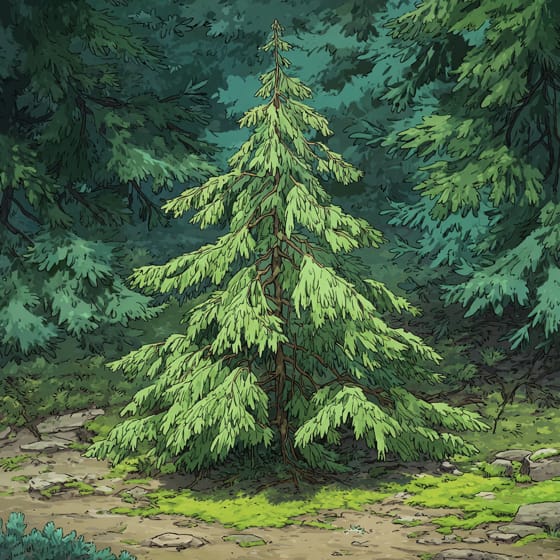
Tsuga canadensis
Caterpillars defoliate this tree, causing significant damage.
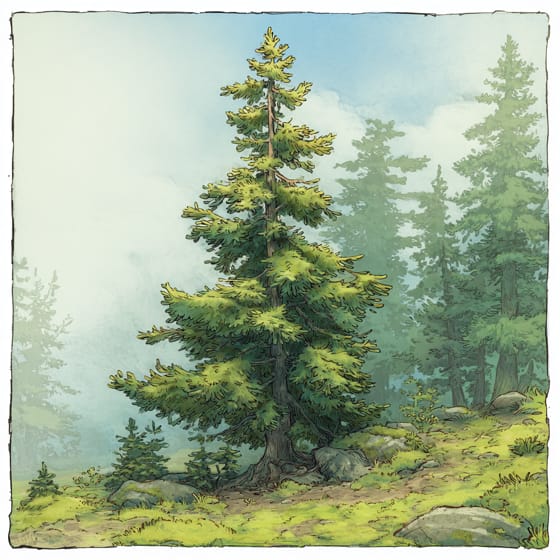
Abies balsamea
Larvae feast on needles, especially during outbreaks.
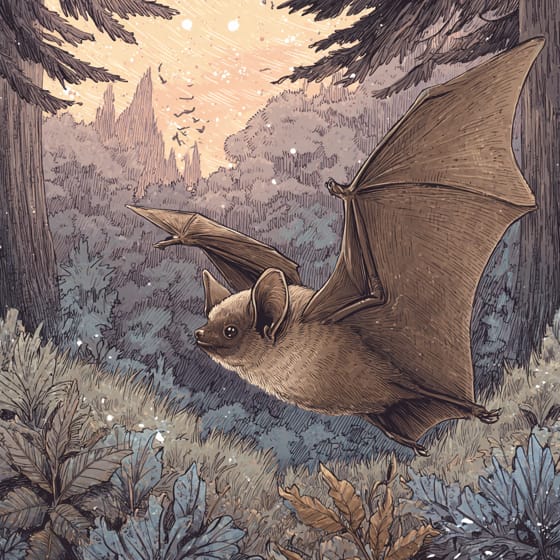
Myotis lucifugus
Bats catch adult moths in flight during their nocturnal hunts.
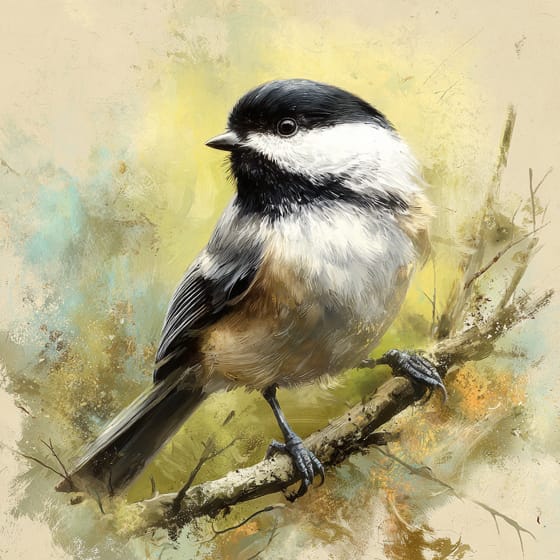
Poecile atricapillus
Chickadees forage for Hemlock Looper caterpillars on trees.
Itoplectis conquisitor
This wasp lays eggs on caterpillars, which are then consumed.
Furry describes animals possessing a dense covering of soft hair or fur.
Solitary animals live alone for most of their lives, only interacting with others for mating or parental care.
Camouflaged describes organisms that possess coloring or patterns that allow them to blend into their environment.
This trait characterizes organisms whose diet consists entirely or primarily of plant material.

Forest habitats are terrestrial environments dominated by dense tree cover, supporting a high diversity of plant and animal life.

Nocturnal animals are primarily active during the nighttime hours, typically resting or sleeping during the day.

Describes organisms that transfer pollen, enabling the fertilization and reproduction of plants.
No aliases listed yet.
Danger
1/5 · Very low
Don't touch moths or caterpillars without asking an adult, as some can be itchy.
The easiest way to identify Hemlock Looper Moth is to use the Snappit nature identifier app.
30-45 mm
15-20 mm
7-14 days
Young caterpillars munch on tree needles and leaves, while adult moths do not eat at all!
Forests
Foraging
6
Zoom in to split clusters and explore where this object has been snapped.
.jpg&width=800)
Michigan, US
You might spot Reticulated Giraffe, Red Panda, and Snow Leopard.
View guide →

Connecticut, US
You might spot Ilia and Umber Underwings and Large Yellow Underwing.
View guide →

Maine, US
You might spot American Toad, Spring Peeper, and Eastern Teaberry.
View guide →

British Columbia, CA
You might spot Western Sword Fern, Douglas Fir, and Red Huckleberry.
View guide →

Pennsylvania, US
You might spot Partridgeberry, Eastern Hemlock, and American Beech.
View guide →

British Columbia, CA
You might spot Pacific Banana Slug and Western Sword Fern.
View guide →
Take the discovery with you
Snap it with Snappit to identify it, learn what makes it special, and add the discovery to your collection.







.jpg&width=800)



