





Hollyleaf Cherry
prunus ilicifolia
The Hollyleaf Cherry is a beautiful plant with shiny, green leaves that look like spiky stars! It produces small, sweet cherries that some birds and animals love to eat.
Habitat: Hollyleaf Cherry grows in dry, sunny areas such as chaparral and coastal regions.
The Hollyleaf Cherry is an evergreen shrub or small tree with distinctively spiny, dark green, leathery leaves resembling holly. It produces small, white flowers in elongated clusters, followed by small, round, red to dark purple cherries.
Category
PlantsRarity
Common
Danger
1/5 · Very low
Snaps
4
It produces a tiny, cherry-like fruit that's a tasty treat for birds!
Its tough, holly-like leaves helped it get the name "Hollyleaf Cherry"!
Native Californians traditionally ground its nutritious seeds into flour!
This resilient plant can live for many hundreds of years in the wild!
Hollyleaf Cherry has tough, spiny leaves that help protect it from hungry animals and reduce water loss.
Hollyleaf Cherry can survive long dry spells thanks to its deep root system, which finds underground water.
Hollyleaf Cherry has thick bark and can resprout quickly from its base after wildfires, helping it recover.
Apis mellifera
collects nectar and pollen from its flowers
Ursus americanus
enjoys the ripe, fleshy fruit
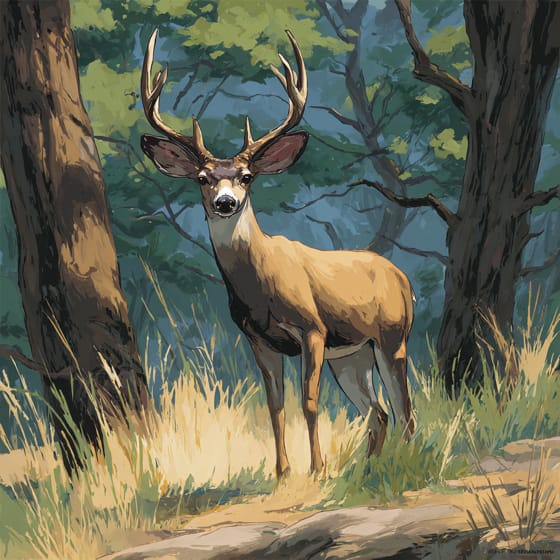
Odocoileus hemionus
browses its evergreen leaves, especially in winter

Sialia mexicana
relishes the small, sweet cherries
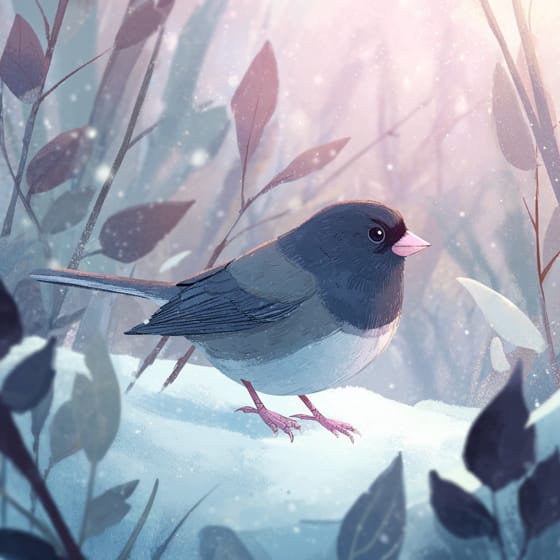
Junco hyemalis
builds nests and hides in its dense foliage
Solitary animals live alone for most of their lives, only interacting with others for mating or parental care.
Colorful describes organisms or objects displaying a wide range of bright and distinct colors.
This trait characterizes organisms whose diet consists entirely or primarily of plant material.
Forest habitats are terrestrial environments dominated by dense tree cover, supporting a high diversity of plant and animal life.

Coastal habitats are dynamic environments located along the interface between land and sea, influenced by tides, waves, and saltwater.
Danger
1/5 · Very low
Always ask an adult before tasting any wild plants.
The easiest way to identify Hollyleaf Cherry is to use the Snappit nature identifier app.
300-800 cm
200-600 cm
0.5-1 cm
Spring
Yes
Mild
Perennial
Zoom in to split clusters and explore where this object has been snapped.
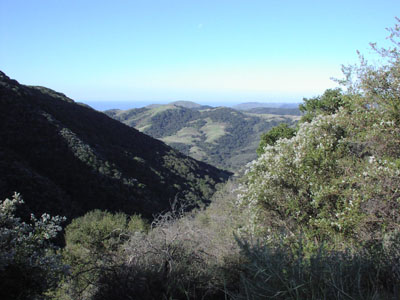
California, US
You might spot Western Fence Lizard and Canyon Sunflower.
View guide →

California, US
You might spot Western Fence Lizard, Eastern Fox Squirrel, and Bee.
View guide →

California, US
You might spot Canyon Sunflower, Cardinal Catchfly, and White Globe Lily.
View guide →

California, US
You might spot Hollyleaf Cherry, Toyon, and Lemonade Berry.
View guide →

California, US
You might spot Western Fence Lizard, Eastern Fox Squirrel, and Bee.
View guide →
Take the discovery with you
Snap it with Snappit to identify it, learn what makes it special, and add the discovery to your collection.








.jpg&width=800)



_001.jpg&width=800)




