_1959.jpg&width=800)





Horn Calcareous Moss
Mnium hornum
Horn Calcareous Moss is a soft, green plant that grows in damp places. It looks like tiny, fluffy cushions and loves to live in shady spots, making it a cozy home for little bugs!
Habitat: Forests
The Horn Calcareous Moss is a vibrant emerald green moss, forming dense, upright cushions or mats. Its distinctive spear-shaped leaves have subtly toothed edges, giving it a slightly rugged texture. Slender stalks often emerge, topped with horizontal, capsule-like structures.
Category
PlantsRarity
Common
Danger
1/5 · Very low
Snaps
Be the first to snap!
Horn Calcareous Moss creates miniature forests for tiny insects and other small creatures to live in.
It can help reduce soil erosion by forming a thick, protective mat over the ground.
Mosses don't have true roots; they use tiny rhizoids to anchor themselves to surfaces.
This ancient plant group was one of the first to colonize land millions of years ago!
Horn Calcareous Moss can absorb and hold many times its weight in water, helping it stay hydrated during dry spells.
Horn Calcareous Moss has tiny capsules that release spores into the wind, allowing it to spread its offspring far and wide.
Horn Calcareous Moss can thrive in very shady places, making it excellent at colonizing forest floors where other plants struggle.

Arion ater
grazes on the moss.
Pterostichus melanarius
hides within its dense mats.
Mycena epipterygia
grows among mosses in damp conditions.
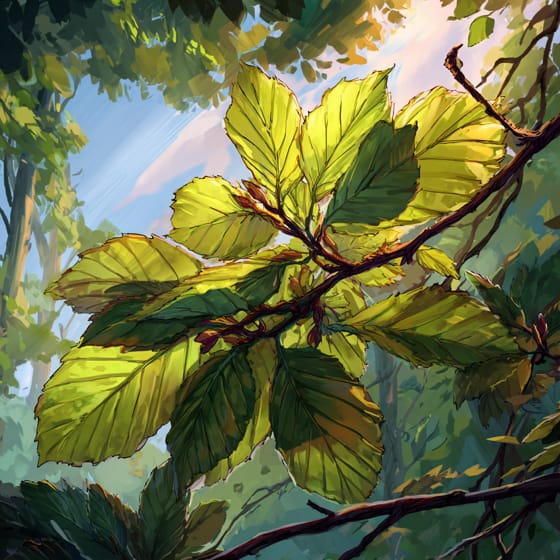
Fagus sylvatica
thrives on acidic leaf litter from trees.
Furry describes animals possessing a dense covering of soft hair or fur.
This trait characterizes plants lacking specialized vascular tissues (xylem and phloem) for transporting water and nutrients.
Shade tolerant plants are adapted to grow and thrive in areas with low light levels, requiring less direct sunlight.
Cold hardy plants are able to withstand low temperatures and freezing conditions without significant damage.

Describes organisms that break down dead organic material, recycling nutrients back into the ecosystem.

Forest habitats are terrestrial environments dominated by dense tree cover, supporting a high diversity of plant and animal life.

Pertaining to species that are significantly smaller than typical or average for their kind.
No aliases listed yet.
Danger
1/5 · Very low
It's safe to touch, but remember to be gentle with plants and give them space to grow.
The easiest way to identify Horn Calcareous Moss is to use the Snappit nature identifier app.
2-10 cm
5-20 cm
No
None
Perennial
Forests
Zoom in to split clusters and explore where this object has been snapped.
Recent snaps will appear here as new observations are added.
Take the discovery with you
Snap it with Snappit to identify it, learn what makes it special, and add the discovery to your collection.








.jpg&width=800)



_001.jpg&width=800)



