





Horned Lark
Eremophila alpestris
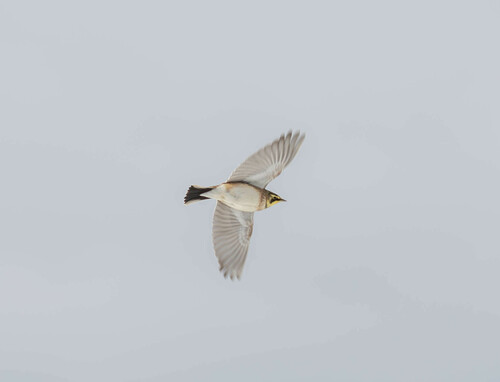
The Horned Lark is a small, cheerful bird with a special horn-like tuft on its head. It loves to sing and can be found hopping around in open fields and grasslands.
Habitat: Grasslands
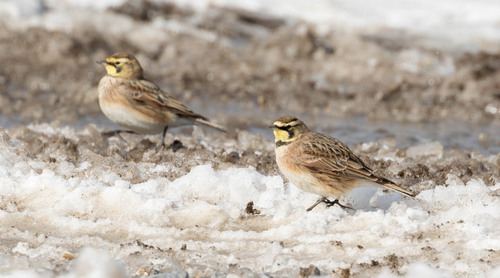
The Horned Lark is a small, streaky brown bird with a pale belly. It has a distinctive yellow face, a black bib, and two small, dark feather tufts on its head, resembling horns, making it unique.
Category
BirdsRarity
Common
Danger
1/5 · Very low
Snaps
19
Horned Larks sometimes line their ground nests with small pebbles.
It's the only true lark native to North America!
These birds usually run away instead of flying when approached.
They love to 'bathe' by wiggling around in dry dust.
Horned Larks have feather tufts on their head that they can raise to display because this helps them communicate with other larks.
Horned Larks have streaky brown plumage that helps them blend perfectly into their open, grassy habitats, avoiding predators.
Horned Larks can be one of the earliest birds to nest, even in cold regions, because they are adapted to harsh, open environments.
These birds eat seeds and small insects, foraging on the ground in open areas.
Age differences: Young birds and breeding adults eat more insects for protein; diet shifts to more seeds in winter.
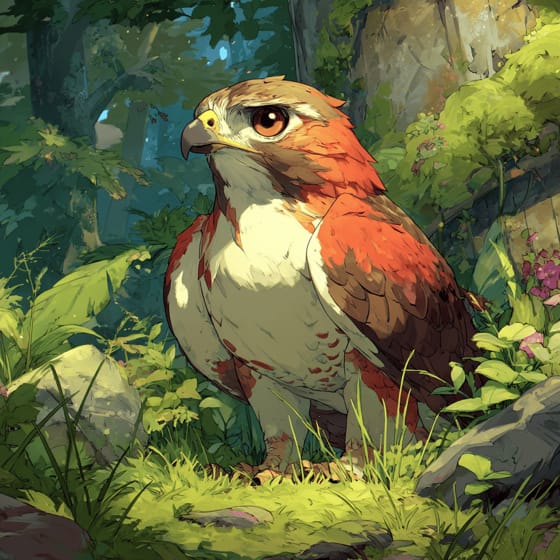
Buteo jamaicensis
A common raptor that hunts small birds in open country.
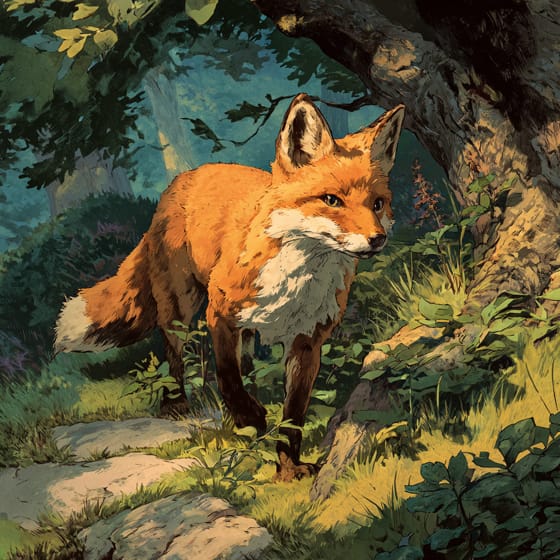
Vulpes vulpes
A ground predator that preys on ground-nesting birds and their eggs.

Melanoplus differentialis
Horned Larks consume many insect pests, especially in summer.
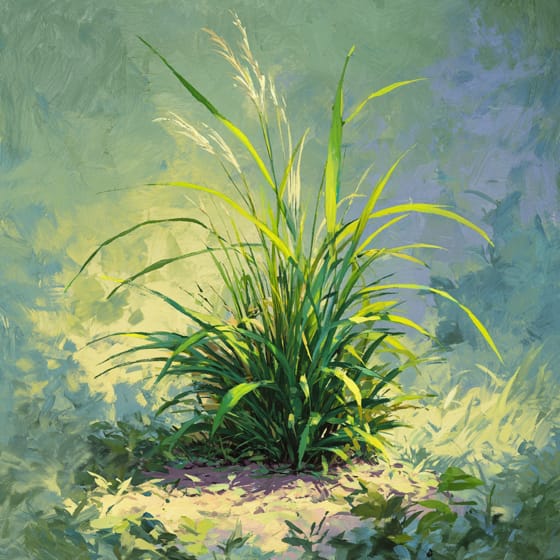
Poa pratensis
Horned Larks feed on seeds from various grasses.
Feathered describes animals, primarily birds, possessing a covering of feathers.
Social animals live in organized groups, cooperating for survival benefits such as foraging, defense, and raising offspring.
Characterized by having one or more hard, permanent, pointed projections on the head.
Singing animals produce complex vocalizations, often for purposes of attracting mates, defending territory, or communicating within their species.

Grassland habitats are terrestrial biomes dominated by grasses and herbaceous plants, supporting a variety of grazing animals.

This trait identifies organisms whose diet primarily consists of insects and other small invertebrates.

Diurnal animals are primarily active during daylight hours, typically resting or sleeping at night.
No aliases listed yet.
Danger
1/5 · Very low
Enjoy watching birds from a distance and don't try to catch them.
The easiest way to identify Horned Lark is to use the Snappit nature identifier app.
16-20 cm
30-36 cm
0.028-0.045 kg
2-9 years
60 km/h
These birds eat seeds and small insects, foraging on the ground in open areas.
Grasslands
Zoom in to split clusters and explore where this object has been snapped.
Jan 8, 2025
Fincastle Historic DistrictPhoto attribution
(c) kirk gardner, some rights reserved (CC BY)
License: CC BY 4.0 ↗
Image may be shown cropped inside the card frame.
Jan 8, 2025
Fincastle Historic DistrictPhoto attribution
(c) kirk gardner, some rights reserved (CC BY)
License: CC BY 4.0 ↗
Image may be shown cropped inside the card frame.

California, US
You might spot California Poppy and Common Side-Blotched Lizard.
View guide →

New York, US
You might spot Bald Eagle, Common Eastern Bumble Bee, and Red-Tailed Hawk.
View guide →

Colorado, US
You might spot Rocky Mountain Marsh-Marigold and American Bistort.
View guide →

Kentucky, US
You might spot Bird's-Eye Speedwell and Barn Swallow.
View guide →

Kansas, US
You might spot Cliff Swallow and Desert Prince's Plume.
View guide →

Oklahoma, US
You might spot Lace Hedgehog Cactus and Star Cloak Fern.
View guide →
Take the discovery with you
Snap it with Snappit to identify it, learn what makes it special, and add the discovery to your collection.




.jpg&width=800)









