%2C_Almuradiel%2C_Ciudad_Real%2C_Espa%C3%B1a%2C_2021-12-19%2C_DD_07.jpg&width=800)





Iberian lynx
Lynx pardinus
The Iberian lynx is a special wild cat that lives in Spain and Portugal. With its tufted ears and spotted fur, it is one of the most endangered cats in the world. They love to hunt rabbits and are very good at it!
Habitat: Forests and grasslands
The Iberian lynx has a tawny-orange coat covered in distinctive dark spots, often forming stripes on its legs. It features a short tail with a black tip, a prominent facial ruff, and striking black ear tufts.
Category
MammalsRarity
Epic
Danger
2/5 · Low
Snaps
Be the first to snap!
Each Iberian lynx has unique spots, like human fingerprints!
Iberian lynx are one of the world's most endangered cat species!
They can eat over 3 rabbits a day, if available!
They mark their territory using scent and scratch marks on trees!
Iberian lynx can ambush prey silently because of their soft, padded paws that help them move quietly through dense undergrowth.
Iberian lynx has a spotted coat that helps them blend perfectly into dappled sunlight and shadows, making them nearly invisible to prey.
Iberian lynx has long ear tufts that might help them funnel sound, enhancing their ability to pinpoint the exact location of hidden prey.
These agile hunters mainly feast on rabbits, but will also eat birds and small rodents.
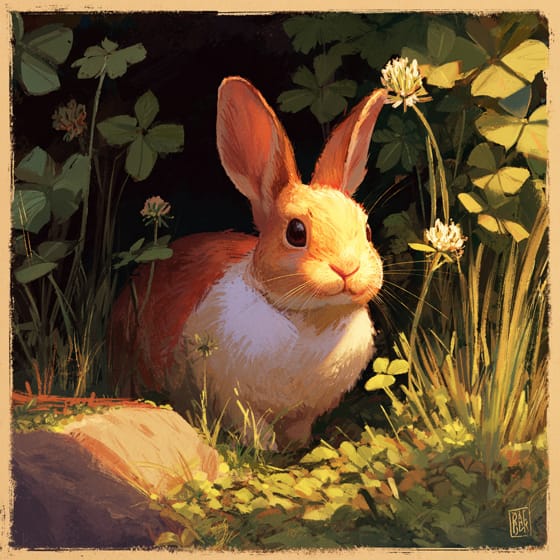
Oryctolagus cuniculus
Primary food source, vital for survival.
Alectoris rufa
An alternative prey when rabbits are scarce.

Quercus ilex
Provides critical cover and den sites in their habitat.
Canis lupus
Can occasionally prey on young or weakened lynx.
Furry describes animals possessing a dense covering of soft hair or fur.
Marked with spots or patches of a different color.
Solitary animals live alone for most of their lives, only interacting with others for mating or parental care.
Grassland habitats are terrestrial biomes dominated by grasses and herbaceous plants, supporting a variety of grazing animals.

An ambush predator hunts by patiently waiting and concealing itself, then launching a sudden attack when unsuspecting prey comes within range.

Forest habitats are terrestrial environments dominated by dense tree cover, supporting a high diversity of plant and animal life.

This trait identifies organisms whose diet consists entirely or primarily of animal tissue.

This trait identifies organisms that exhibit exceptional swiftness in movement for hunting, escape, or travel.

Endangered status indicates a species is at a very high risk of extinction in the wild in the near future.
No aliases listed yet.
Danger
2/5 · Low
Iberian lynxes are wild animals, so it's best to admire them from a distance.
The easiest way to identify Iberian lynx is to use the Snappit nature identifier app.
85-110 cm
7-13 kg
10-15 years
70 km/h
These agile hunters mainly feast on rabbits, but will also eat birds and small rodents.
Forests and grasslands
Ambush
Zoom in to split clusters and explore where this object has been snapped.
Recent snaps will appear here as new observations are added.

Spain, ES
You might spot Giant Panda, Koala, and Bottlenose Dolphin.
View guide →

Spain, ES
You might spot African Elephant, Brown Bear, and Gorilla.
View guide →

Andalusia, ES
You might spot African Elephant, Iberian Lynx, and Tiger.
View guide →
Take the discovery with you
Snap it with Snappit to identify it, learn what makes it special, and add the discovery to your collection.




.jpg&width=800)



.JPG&width=800)


.jpg&width=800)
