





Imperial Moth
Eacles imperialis
The Imperial Moth is a large, colorful moth with bright yellow wings and beautiful purple spots. It is a nighttime flyer and loves to visit flowers for nectar.
Habitat: Forests
The Imperial Moth is a large, stocky moth with striking yellow wings heavily mottled with brown, purple-brown, or sometimes reddish-brown patterns. Males often have more extensive dark markings than females. Each hindwing displays a distinctive dark eyespot, helping it blend into tree bark.
Category
InsectsRarity
Common
Danger
1/5 · Very low
Snaps
7
Adult Imperial Moths don't eat at all, living only on energy stored when they were caterpillars!
If disturbed, Imperial Moth caterpillars can snap their heads, making a surprising clicking sound!
Its caterpillars are sometimes called 'pine devils' for their spiky, sometimes horned, bodies!
Some Imperial Moths can change their wing patterns to match the specific trees they live around!
Imperial Moths can blend into tree bark and leaf litter because of their mottled wing patterns, helping them hide from predators.
Imperial Moth adults have no mouths and don't eat, surviving on stored energy from their leaf-munching caterpillar stage.
Male Imperial Moths have large, feathery antennae that help them detect female pheromones from far away for mating.
Caterpillars munch on tree leaves, but adult moths do not eat at all!
Age differences: Caterpillars are voracious leaf-eaters; adult moths do not feed, living off stored energy reserves.

Quercus alba
Caterpillars rely on oak leaves for their food source and shelter.
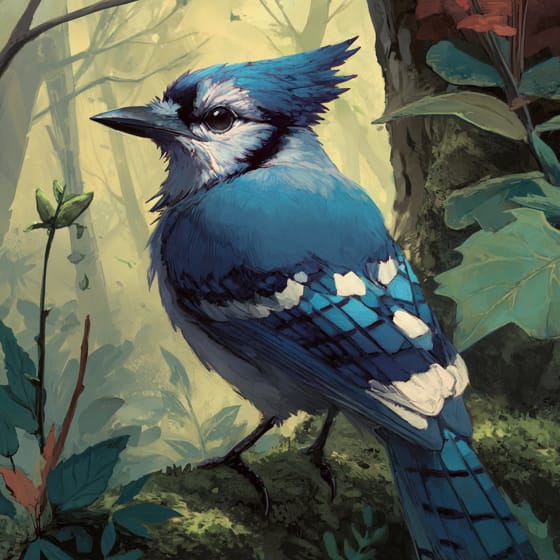
Cyanocitta cristata
Blue jays hunt and eat Imperial Moth caterpillars and pupae.
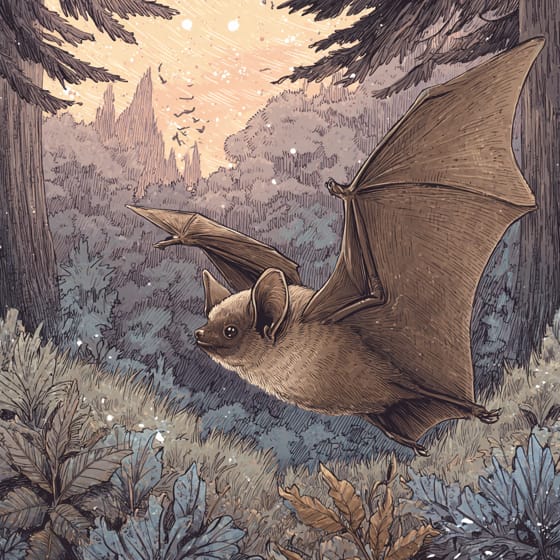
Myotis lucifugus
Nocturnal bats hunt adult Imperial Moths during their flights.
Trogus pennator
This wasp lays eggs on the caterpillar, which eventually eats the host.
Marked with spots or patches of a different color.
Solitary animals live alone for most of their lives, only interacting with others for mating or parental care.
Camouflaged describes organisms that possess coloring or patterns that allow them to blend into their environment.
Colorful describes organisms or objects displaying a wide range of bright and distinct colors.

This trait characterizes organisms whose diet consists entirely or primarily of plant material.

Forest habitats are terrestrial environments dominated by dense tree cover, supporting a high diversity of plant and animal life.

Giant describes organisms or objects of significantly larger size than average for their species or type.

Nocturnal animals are primarily active during the nighttime hours, typically resting or sleeping during the day.

Describes organisms that transfer pollen, enabling the fertilization and reproduction of plants.
No aliases listed yet.
Danger
1/5 · Very low
Don't touch moths or caterpillars unless you know they are safe.
The easiest way to identify Imperial Moth is to use the Snappit nature identifier app.
80-175 mm
40-70 mm
5-10 days
15 km/h
Caterpillars munch on tree leaves, but adult moths do not eat at all!
Forests
Foraging
Zoom in to split clusters and explore where this object has been snapped.

Louisiana, US
You might spot Mississippi River Wakerobin and Lyreleaf Sage.
View guide →

Louisiana, US
You might spot Rough Horsetail, Northern Mockingbird, and Anole.
View guide →

South Carolina, US
You might spot Northern Cardinal, Chipping Sparrow, and House Finch.
View guide →

New Jersey, US
You might spot Blue Corporal and Mountain Laurel.
View guide →
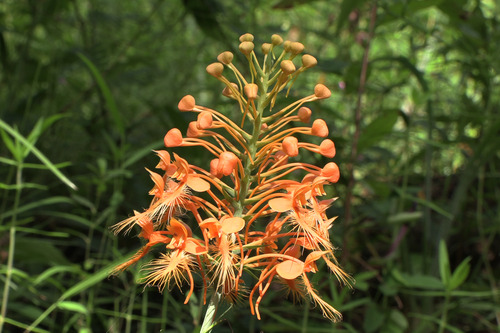
North Carolina, US
You might spot Orange-Fringed Orchid and Purple Pitcher Plant.
View guide →

US
You might spot Brown Pelican, Laughing Gull, and Cannonball Jelly.
View guide →
Take the discovery with you
Snap it with Snappit to identify it, learn what makes it special, and add the discovery to your collection.








.jpg&width=800)


