.jpg&width=800)





Large Whorled Pogonia
Isotria verticillata
The Large Whorled Pogonia is a special plant with beautiful green leaves that grow in a circle. It produces lovely flowers that can be white or purple, making it a treasure in the forest!
Habitat: Forests
The Large Whorled Pogonia has five or six broad, elliptic leaves arranged in a distinctive whorl below a single stem. A solitary flower, often greenish-yellow with delicate maroon stripes on its lip, emerges from the center of this leaf circle.
Category
PlantsRarity
Rare
Danger
1/5 · Very low
Snaps
2
Finding this very rare plant in the wild is a truly special discovery!
It belongs to the amazing orchid family, just like the vanilla bean plant!
The five to six leaves form a perfect green star-like whorl just below its flower.
This orchid can disappear underground for up to 20 years, only to re-emerge later!
Large Whorled Pogonia can remain dormant underground for up to 20 years, helping it survive harsh conditions.
Large Whorled Pogonia has a special symbiotic relationship with soil fungi that helps it get nutrients.
Large Whorled Pogonia has its leaves arranged in a circle to efficiently capture sunlight on the forest floor.
Bombus impatiens
carries pollen between flowers
Tulasnella calospora
aids growth and nutrient uptake
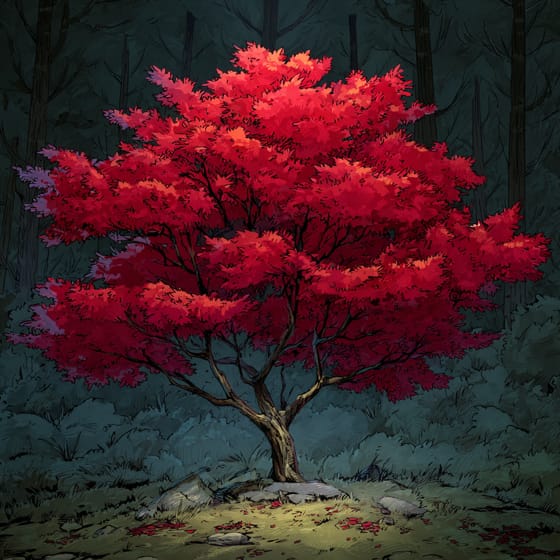
Acer rubrum
provides shade in forest canopy
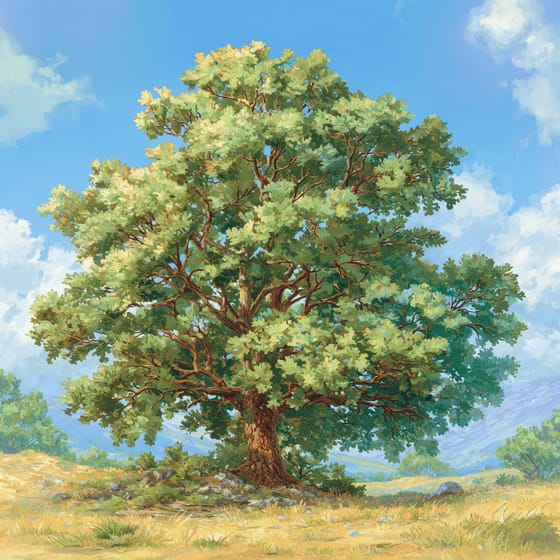
Quercus alba
creates preferred woodland habitat
Deciduous plants periodically shed all their leaves, typically during autumn or dry seasons.
Ornamental plants are cultivated primarily for their aesthetic appeal, enhancing landscapes and gardens with their attractive foliage, flowers, or form.
Shade tolerant plants are adapted to grow and thrive in areas with low light levels, requiring less direct sunlight.
Spring blooming plants produce their flowers during the spring season, often signifying the end of winter and the start of new growth.

Fragrant flowers emit a pleasant aroma, often to attract pollinators or for defense.

Medicinal plants possess chemical compounds that can be used for therapeutic purposes to treat illnesses or maintain health.

Describes plants that are particularly attractive and beneficial to a wide range of pollinating organisms.

Forest habitats are terrestrial environments dominated by dense tree cover, supporting a high diversity of plant and animal life.

Endangered status indicates a species is at a very high risk of extinction in the wild in the near future.
No aliases listed yet.
Danger
1/5 · Very low
Do not pick or touch wild plants without asking an adult first.
The easiest way to identify Large Whorled Pogonia is to use the Snappit nature identifier app.
20-60 cm
5-15 cm
2-3 cm
Late Spring to Early Summer
No
None
Perennial
Zoom in to split clusters and explore where this object has been snapped.

Connecticut, US
You might spot Brant, American Herring Gull, and Double-Crested Cormorant.
View guide →

Connecticut, US
You might spot Eastern Skunk Cabbage and White-Throated Sparrow.
View guide →

Maryland, US
You might spot Large Whorled Pogonia and Pink Lady's Slipper.
View guide →
Take the discovery with you
Snap it with Snappit to identify it, learn what makes it special, and add the discovery to your collection.








.jpg&width=800)


_001.jpg&width=800)



