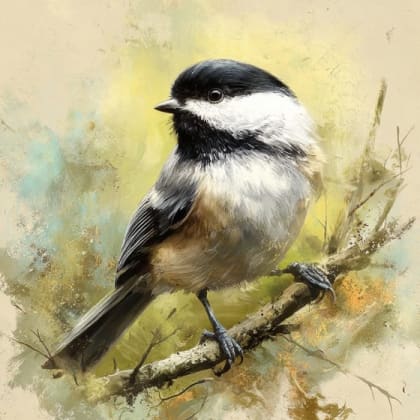
White Throated Sparrow

Step into a living postcard of New England history at North Stonington Village.
Step into a living postcard of New England history at North Stonington Village. This charming historic district, nestled in southeastern Connecticut, preserves the essence of an early 19th-century mill village with remarkable integrity. Here, well-preserved architecture, historic streetscapes, and remnants of a thriving industrial past offer a captivating glimpse into Connecticut's heritage.
Wander through a landscape dotted with architectural gems, including stately Federal, Greek Revival, and Italianate homes, alongside significant public buildings like the Richardsonian Romanesque Wheeler Library. The village's character is deeply tied to the Shunock River, where the foundations of former mills and the power canal system hint at the industrious spirit that once defined this community. Visitors can explore the Stephen Main House, home to the North Stonington Historical Society, and admire the unique details of structures like the Noah Grant, Jr. House with its distinctive broken pediment.
North Stonington Village offers a tranquil yet enriching escape, inviting visitors to connect with America's past. Its cohesive collection of historic buildings, picturesque setting along the Shunock River, and the tangible echoes of its milling heritage make it a memorable destination for anyone seeking beauty, history, and a quiet moment of reflection. Eager to name that creature? Identify any animal you find during your visit using the Snappit app.
North Stonington was initially settled as part of Stonington in the 17th century and officially incorporated as its own town in 1807. The village flourished around an early gristmill site on the Shunock River, with its oldest surviving buildings dating back to the mid-18th century. After 1790, industry boomed, powered by a canal system that supported various mills, including gristmills, sawmills, fulling mills, and a cotton and woolen mill, along with a triphammer and tannery. Though these industries were modest compared to larger textile mills elsewhere, they sustained the village through the American Civil War due to the demand for woolen products. However, the mid-19th century bypass by the shoreline railroad led to the decline of local mills, forcing many to relocate. What remained was a remarkably preserved village, rich with residential and commercial structures representing the architectural styles of the early 19th century. The North Stonington Village Historic District, encompassing 105 acres, was recognized for its historical significance and listed on the National Register of Historic Places in 1983.
Take a self-guided walking tour (maps may be available from the North Stonington Historical Society or town website), admire the diverse 18th and 19th-century architectural styles (Georgian, Federal, Greek Revival, Italianate, Richardsonian Romanesque), and visit the North Stonington Historical Society at the Stephen Main Homestead for deeper insights. The Historical Society often has a dye house exhibit and gardens.
Spring/Summer: Ideal for walking, with greenery and gardens.
Fall: Offers stunning autumn foliage, enhancing the picturesque village scenery.
Winter: Historic buildings might look charming with snow, but walking conditions could be challenging.
The North Stonington Historical Society at the Stephen Main Homestead has onsite parking, handicapped parking, and a ramp to the main house and upper gardens. General accessibility throughout the village for a walking tour would depend on sidewalk availability and personal mobility, as it is a historic district with varying terrain.
The oldest surviving house, a Georgian-style example.
Notable for its Federal style with two-story pilasters and a distinctive broken pediment over the door.
A classic example of New England Greek Revival architecture with a fully pedimented front gable roof.
An architecturally sophisticated building in the Richardsonian Romanesque style, built of Westerly granite.
Each card links to a full Explore page with photos, traits, and fun facts.
Start with the big picture, then zoom in to explore individual wildlife observations around this place.
Wear comfortable walking shoes to fully enjoy exploring the village's streets and pathways.
Bring a camera to capture the diverse architectural styles and scenic views of this well-preserved New England village.
Consider visiting the North Stonington Historical Society first to pick up a self-guided walking tour map and learn about special events.
Be mindful that many of the historic buildings are private residences; admire them respectfully from public areas.
Allow extra time to appreciate the subtle details of the historic structures and the natural beauty around the Shunock River.
Jun 6, 2026
Jun 4, 2026
May 27, 2026
May 22, 2026
May 20, 2026

Maryland, US
You might spot White-Tailed Deer and Eastern Gray Squirrel.
View guide →
.jpg)
District of Columbia, US
You might spot Eastern Gray Squirrel, Duck, and House Sparrow.
View guide →

Illinois, US
You might spot American Robin, Canada Goose, and House Sparrow.
View guide →

Virginia, US
You might spot Spotted Lanternfly and Northern Cardinal.
View guide →
Take the discovery with you
Identify the wildlife you spot, learn as you go, and keep a collection of the adventure.










.jpg&width=800)



_(cropped).jpg&width=800)