_(12743506864).jpg&width=800)





Leavenworth's Tickseed
Coreopsis leavenworthii
Leavenworth's Tickseed is a bright yellow flower that loves to bloom in sunny places. It has pretty petals that look like little rays of sunshine, making gardens and fields look cheerful!
Habitat: Grasslands
The Leavenworth's Tickseed has cheerful, bright yellow, daisy-like flowers, often with darker yellow or brownish centers. Its slender stems bear narrow, grass-like leaves, creating a delicate, airy appearance that stands out in sunny fields.
Category
PlantsRarity
Common
Danger
1/5 · Very low
Snaps
1
It loves sandy, poor soil where many other plants struggle to find enough nutrients to grow!
Its bright yellow petals can completely cover sunny fields, making them look like golden carpets!
Native Americans sometimes used parts of tickseed plants to create beautiful yellow dyes!
The name "Tickseed" comes from its small, dark seeds that look a bit like tiny ticks!
Leavenworth's Tickseed can thrive in dry, sandy soil that would harm many other plants, helping it survive arid conditions.
It releases many tiny seeds that easily re-grow nearby, allowing it to quickly spread and colonize new areas.
Its bright yellow flowers attract busy bees and butterflies, ensuring its seeds are made and new plants can grow.
Apis mellifera
collects nectar and pollen
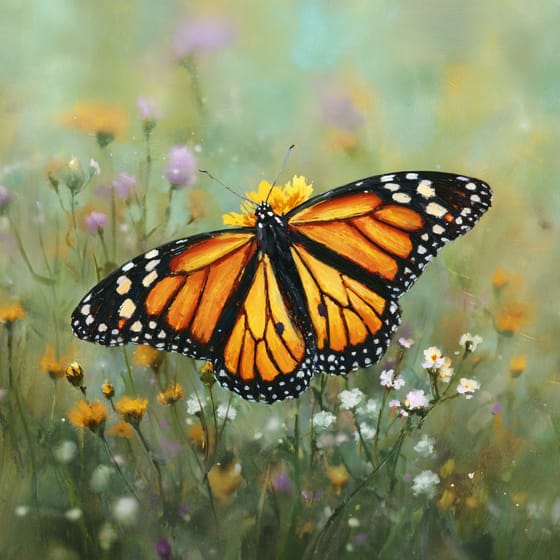
Danaus plexippus
sips nectar, aiding reproduction
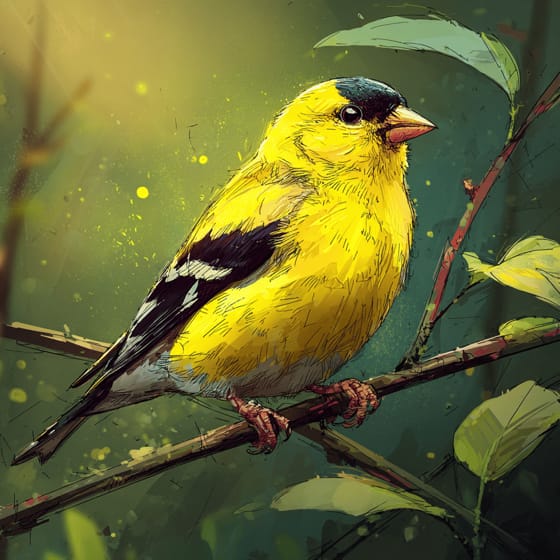
Spinus tristis
feeds on mature seeds
.JPG&width=800)
Sylvilagus floridanus
grazes on tender leaves and stems
Flowering plants are any plants that produce flowers as part of their reproductive cycle.
Summer blooming plants produce their flowers during the summer season, often providing vibrant color when many other plants have finished.
Drought-tolerant plants can survive and flourish in conditions with limited water availability.
Colorful describes organisms or objects displaying a wide range of bright and distinct colors.

Grassland habitats are terrestrial biomes dominated by grasses and herbaceous plants, supporting a variety of grazing animals.

Describes plants that are particularly attractive and beneficial to a wide range of pollinating organisms.
No aliases listed yet.
Danger
1/5 · Very low
Always look but don't touch flowers without asking an adult first.
The easiest way to identify Leavenworth's Tickseed is to use the Snappit nature identifier app.
30-90 cm
30-60 cm
2-3 cm
Summer-fall
No
None
Perennial
Zoom in to split clusters and explore where this object has been snapped.
Take the discovery with you
Snap it with Snappit to identify it, learn what makes it special, and add the discovery to your collection.









.jpg&width=800)



_001.jpg&width=800)




