





Lenten-rose
Helleborus orientalis
The Lenten-rose is a beautiful flower that blooms in early spring. Its lovely petals can be white, pink, or purple, and they often look like little cups. This flower is a sign that spring is on its way!
Habitat: Woodlands
The Lenten-rose has leathery, dark green, palm-shaped leaves. Its cup-shaped flowers often nod downwards, appearing in shades of white, pink, purple, green, or spotted patterns. What makes it unique are its long-lasting, petal-like sepals that provide color for months.
Category
PlantsRarity
Common
Danger
3/5 · Moderate
Snaps
3
Ancient people once believed Lenten-roses could ward off evil spirits and protect cattle.
Despite their downward gaze, their bright colors still attract important early spring pollinators!
Its 'petals' are actually tough sepals, which are modified leaves, that last for months!
The name Helleborus comes from Greek words meaning 'food that harms,' referring to its toxicity.
Lenten-rose can bloom in late winter, even through snow, helping it be one of the first plants to flower.
Lenten-rose has nodding flowers that protect its pollen and nectar from rain and melting snow.
Lenten-rose has toxic compounds that help it defend against most hungry animals who try to eat it.
Bombus terrestris
Gains early season nectar and pollen.
Apis mellifera
Collects vital food sources in early spring.

Capreolus capreolus
Avoids eating due to its toxic compounds.
Ornamental plants are cultivated primarily for their aesthetic appeal, enhancing landscapes and gardens with their attractive foliage, flowers, or form.
Spring blooming plants produce their flowers during the spring season, often signifying the end of winter and the start of new growth.
Cold hardy plants are able to withstand low temperatures and freezing conditions without significant damage.
Fragrant flowers emit a pleasant aroma, often to attract pollinators or for defense.

Colorful describes organisms or objects displaying a wide range of bright and distinct colors.

Describes plants that are particularly attractive and beneficial to a wide range of pollinating organisms.

Forest habitats are terrestrial environments dominated by dense tree cover, supporting a high diversity of plant and animal life.
Danger
3/5 · Moderate
Lenten-roses are pretty to look at, but don't touch them because they can be harmful if eaten.
The easiest way to identify Lenten-rose is to use the Snappit nature identifier app.
30-45 cm
30-45 cm
5-8 cm
Late_winter_early_spring
No
High
Perennial
Zoom in to split clusters and explore where this object has been snapped.
Georgia, US
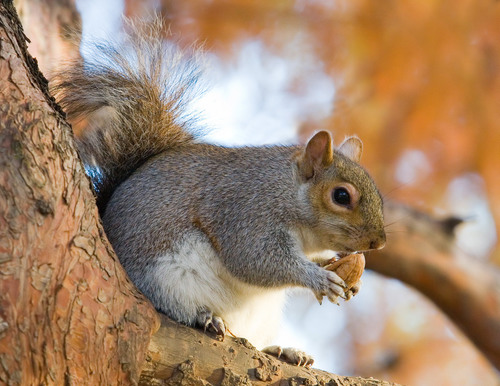
You might spot Eastern Gray Squirrel, Domestic Cat, and American Robin.
View guide →

Georgia, US
You might spot Eastern Gray Squirrel, Domestic Cat, and Anole.
View guide →

Georgia, US
You might spot Eastern Gray Squirrel, Domestic Cat, and American Robin.
View guide →

Ohio, US
You might spot Turkey, Eastern Gray Squirrel, and Northern Cardinal.
View guide →

Virginia, US
You might spot Bald Eagle, Red-Winged Blackbird, and Green Treefrog.
View guide →
Take the discovery with you
Snap it with Snappit to identify it, learn what makes it special, and add the discovery to your collection.








.jpg&width=800)


_001.jpg&width=800)




