.jpg&width=800)





Lindheimer's silktassel
Garrya lindheimeri
Lindheimer's silktassel is a lovely shrub with long, soft tassels that hang down. It grows in sunny places and is great for adding beauty to gardens and landscapes.
Habitat: Mountain regions
The Lindheimer's silktassel is an evergreen shrub with dark green, leathery leaves. Its most distinctive feature is the long, pendulous greenish-yellow catkins, often called "tassels," which hang conspicuously in late winter.
Category
PlantsRarity
Common
Danger
1/5 · Very low
Snaps
2
It's named after Ferdinand Lindheimer, who first collected plants in Texas!
Its long, dangling "tassels" are actually its male flowers!
Male and female plants are separate, so you need both to make seeds!
This shrub can grow over 15 feet tall, creating a green privacy screen!
Lindheimer's silktassel can bloom in the cold winter, providing a vital source of pollen when other plants are dormant.
Lindheimer's silktassel has tough, leathery leaves that help it survive long periods without much water.
Lindheimer's silktassel is an evergreen, meaning it keeps its beautiful dark green leaves all year long.
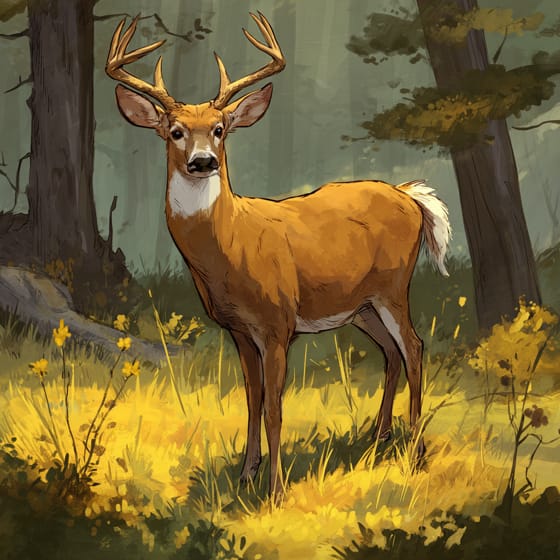
Odocoileus virginianus
Deer browse its leaves and twigs.
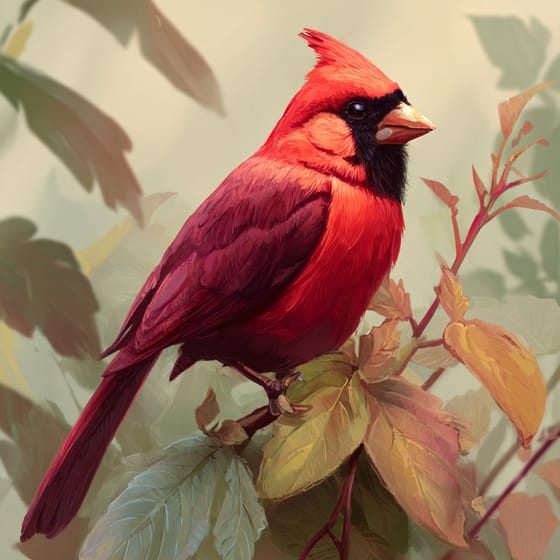
Cardinalis cardinalis
Provides dense cover for nesting birds.
Apis mellifera
Bees sometimes collect pollen from winter blooms.
Flowering plants are any plants that produce flowers as part of their reproductive cycle.
A shrub is a woody plant smaller than a tree, typically with multiple stems branching from or near the ground.
Evergreen plants retain their foliage throughout the year, never shedding all their leaves at once.
Fragrant flowers emit a pleasant aroma, often to attract pollinators or for defense.

Describes plants that are particularly attractive and beneficial to a wide range of pollinating organisms.

This habitat trait identifies species found in mountainous regions, characterized by high elevation, steep slopes, and varying climate zones.
No aliases listed yet.
Danger
1/5 · Very low
Always look but don't touch plants unless you know they are safe.
The easiest way to identify Lindheimer's silktassel is to use the Snappit nature identifier app.
150-500 cm
150-300 cm
5-15 cm
Winter to early spring
No
None
Perennial
Zoom in to split clusters and explore where this object has been snapped.
Take the discovery with you
Snap it with Snappit to identify it, learn what makes it special, and add the discovery to your collection.









.jpg&width=800)


_001.jpg&width=800)



