





Little Sweet Betsy
trillium cuneatum
The Little Sweet Betsy is a beautiful flower with three broad leaves and a lovely purple bloom. It's often found in shady forests where it adds a splash of color to the woodland floor!
Habitat: Shady forests and woodlands
The Little Sweet Betsy has three large, mottled green leaves that form a striking whorl below its unique flower. Its upright, stalkless petals, which can be green-yellow, bronze, or deep maroon, emerge directly from the leaves, making it visually distinct.
Category
PlantsRarity
Common
Danger
0/5 · No known danger
Snaps
Be the first to snap!
Ants are its tiny gardeners, planting its seeds in new spots!
Its dark, wine-colored flowers often smell like old fruit to attract flies!
Some people call it 'Toadshade' because its leaves look like an umbrella for a toad!
The number three is special; it has three leaves, three sepals, and three petals!
Little Sweet Betsy emits a sweet or musky fragrance to attract specific flies and beetles for pollination, ensuring its survival.
This plant produces seeds with a fatty treat called an elaiosome, which ants eagerly carry away, helping to spread its offspring.
Its mottled, dark green leaves help it camouflage perfectly on the shaded forest floor, hiding from hungry grazers.
Aphaenogaster picea
Ants disperse seeds, helping plant spread.
Lucilia sericata
Flies are lured by scent to spread pollen.
Deroceras reticulatum
Slugs occasionally munch on its tender leaves.
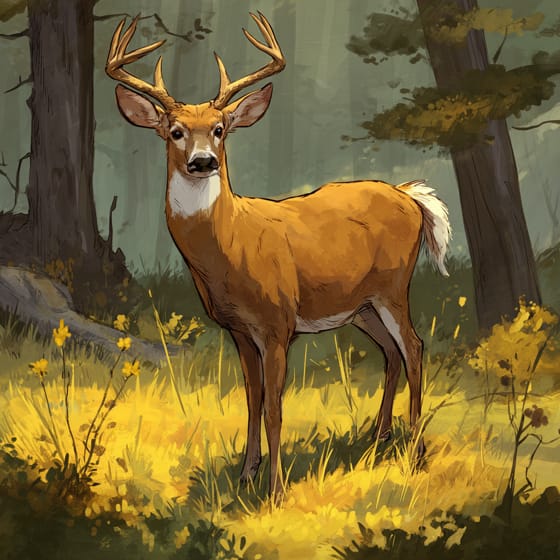
Odocoileus virginianus
Deer browse on its foliage and flowers.
Colorful describes organisms or objects displaying a wide range of bright and distinct colors.
This trait characterizes organisms whose diet consists entirely or primarily of plant material.
Forest habitats are terrestrial environments dominated by dense tree cover, supporting a high diversity of plant and animal life.
Diurnal animals are primarily active during daylight hours, typically resting or sleeping at night.

Describes organisms that transfer pollen, enabling the fertilization and reproduction of plants.
Danger
0/5 · No known danger
No special safety notes yet.
The easiest way to identify Little Sweet Betsy is to use the Snappit nature identifier app.
15-40 cm
15-30 cm
2-6 cm
Early spring to late spring
Yes
Mild
Perennial
Zoom in to split clusters and explore where this object has been snapped.
Recent snaps will appear here as new observations are added.

North Carolina, US
You might spot American Tuliptree and Eastern Tiger Swallowtail.
View guide →

North Carolina, US
You might spot Lesser Celandine, Bloodroot, and Little Sweet Betsy.
View guide →

Alabama, US
You might spot Duck, Canada Goose, and Pinkladies.
View guide →

Maryland, US
You might spot Virginia Bluebells, Virginia Springbeauty, and Red Buckeye.
View guide →

North Carolina, US
You might spot Pipevine Swallowtail, Little Sweet Betsy, and Black Bear.
View guide →

Alabama, US
You might spot Duck, Canada Goose, and Virginia Springbeauty.
View guide →
Take the discovery with you
Snap it with Snappit to identify it, learn what makes it special, and add the discovery to your collection.








.jpg&width=800)



_001.jpg&width=800)




