Giraffes
The Selig Zoo was a pioneering animal collection and film studio in early 20th-century Los Angeles, unique for its blend of Hollywood glamor and exotic wildlife.
The Selig Zoo was a pioneering animal collection and film studio in early 20th-century Los Angeles, unique for its blend of Hollywood glamor and exotic wildlife. Established by silent film mogul William Nicholas Selig, it served as both a working animal farm for movies and a significant public attraction, featuring hundreds of animals from around the globe.
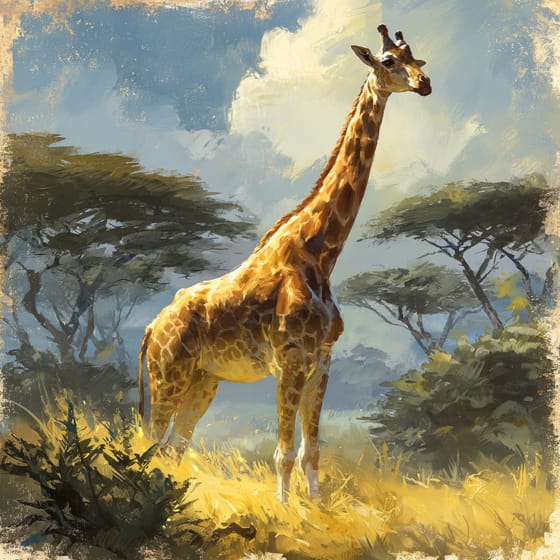
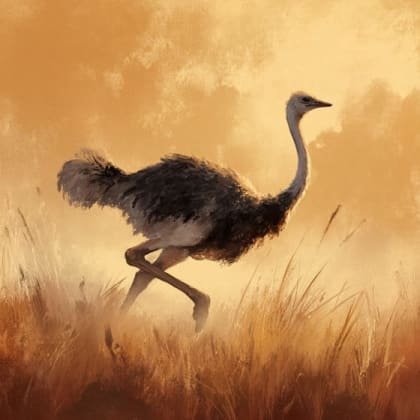
In its heyday, visitors could marvel at a diverse collection that grew to over 700 animals, including lions, tigers, elephants, giraffes named Fritz and Leni, and even a boxing kangaroo. The iconic Lion House, a quadrangular Mission-style structure, housed lions, leopards, and monkeys, while other areas featured outdoor cages for various birds, ostrich pens, and bear dens. These animals were often "contract players" for Selig's films, appearing in popular "jungle pictures" and serials like "The Adventures of Kathlyn" and "Tarzan of the Apes."
Beyond the exotic creatures, the Selig Zoo offered a grand entrance designed by Italian sculptor Carlo Romanelli, featuring imposing statues of elephants and lions. The sprawling 32-acre property in Lincoln Heights included landscaped grounds, picnic areas, and even a roller rink, making it a popular destination for families and a significant early entertainment complex in Los Angeles. It was a place where the public could glimpse the wild stars of silent films and experience a slice of burgeoning Hollywood. Unlock an interactive field guide for this spot: get the Snappit app to identify nature on the go.
The Selig Zoo originated from the ambitions of William Nicholas Selig, a silent film pioneer who founded the Selig Polyscope Company in Chicago in 1896. After establishing Southern California's first permanent film studio in 1909, Selig began collecting animals for his popular "jungle pictures" and other films. This led to the creation of Selig's Wild Animal Farm in Santa Monica around 1911. In 1915, Selig opened the much larger and more elaborate Selig Zoo on 32 acres in Lincoln Heights, northeast of downtown Los Angeles, initially housing over 700 animals. The zoo functioned as a public attraction while simultaneously serving as a backlot for film productions, with animals starring in movies and even being rented to other studios. Its famous entrance gates, adorned with elaborate lion and elephant sculptures by Carlo Romanelli, greeted an estimated 150,000 visitors in its first six months. However, due to financial struggles, changing film industry trends, and the devastations of the Great Depression and a major flood in 1938, the Selig Polyscope Company became insolvent by 1918, and the zoo underwent several ownership changes and rebrandings, including Luna Park Zoo, California Zoological Gardens, and Zoopark. The zoo finally ceased operations around 1940, with some animals donated to the nascent Los Angeles Zoo. The iconic entrance sculptures were eventually rediscovered, restored, and installed at the modern Los Angeles Zoo in 2009, while the original site is now occupied by tennis courts and commercial structures.
Each card links to a full Explore page with photos, traits, and fun facts.
Start with the big picture, then zoom in to explore individual wildlife observations around this place.
To learn about its legacy
** Visit the modern Los Angeles Zoo to see the restored lion statues that once adorned the Selig Zoo's entrance.
For historical research
Explore digital archives and historical societies for photographs, film clips, and documents related to William Nicholas Selig and his zoo.
Imagine the past
While the zoo no longer exists, consider visiting Lincoln Park in Los Angeles, which was adjacent to the original site, to get a sense of the historical setting.
Delve into early cinema
Watch silent films from the Selig Polyscope Company to see some of the zoo's "animal actors" in action, particularly "jungle pictures" and serials.
Understand Hollywood's roots
Read about the early days of Hollywood and how pioneers like William Selig combined filmmaking with public attractions.
Jun 5, 2026
Photo attribution
(c) Francis Breidenbach, some rights reserved (CC BY)
License: CC BY 4.0 ↗
Image may be shown cropped inside the card frame.
Jun 8, 2026
Jun 7, 2026
Jun 7, 2026
Jun 7, 2026

Michigan, US
You might spot African Lion, Komodo Dragon, and Brown Bear.
View guide →
.jpg)
Municipal District of Cobh, IE
You might spot Ring-Tailed Lemur, Giraffes, and Cheetahs.
View guide →

Nouvelle-Aquitaine, FR
You might spot Greater Flamingo, Giraffes, and Red Panda.
View guide →

Texas, US
You might spot Giraffes, African Lion, and Eastern Black Rhinoceros.
View guide →
Take the discovery with you
Identify the wildlife you spot, learn as you go, and keep a collection of the adventure.




























.jpg&width=800)