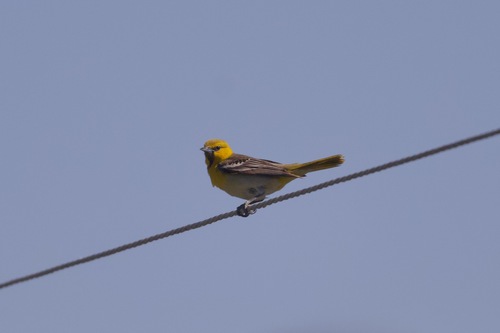
Largemouth Bass

Franks Tract State Recreation Area is California’s unique underwater state park.
Franks Tract State Recreation Area is California’s unique underwater state park. This distinctive destination in the Sacramento-San Joaquin River Delta offers a surreal aquatic adventure, a place where a drowned island has transformed into a vibrant wildlife haven. Accessible only by boat, Franks Tract invites visitors to explore a submerged landscape, remnants of former farmlands lying beneath shallow waters, creating an unparalleled setting for nature exploration and recreation.
The park's 3,500-plus acres are dominated by expansive waterways and intricate tule marsh labyrinths, providing critical habitat along the Pacific Flyway. This makes it a paradise for birdwatchers, with over 70 species including majestic great blue herons, elegant egrets, and keen-eyed ospreys, especially abundant during fall and winter migrations. Anglers flock here for legendary fishing opportunities, targeting trophy-sized largemouth bass that hide in the tules and powerful striped bass patrolling the channels, alongside catfish, sturgeon, bluegill, and crappie. River otters, beavers, and muskrats can also be spotted navigating the waterways, adding to the rich biodiversity.
Visiting Franks Tract offers an unforgettable escape into a wild, watery world. Whether you're navigating the peaceful channels by kayak, casting a line for the next big catch, or simply soaking in the serene atmosphere while observing abundant wildlife, this state recreation area provides a unique connection to California's natural and historical landscape. Its blend of accessible boating, world-class fishing, and exceptional birding makes it a hidden gem for outdoor enthusiasts seeking adventure off the beaten path. Unlock an interactive field guide for this spot: get the Snappit app to identify nature on the go.
Franks Tract was originally a tidal marsh that was reclaimed and converted into fertile farmland in the early 20th century, producing crops like potatoes, beans, and corn. However, the area's fate dramatically changed in the mid- to late-1930s when repeated levee failures, notably in 1938, caused the island to flood permanently. Unlike other Delta islands, Franks Tract was never reclaimed, leading to its transformation into the submerged landscape seen today. The state acquired the flooded area, establishing Franks Tract State Recreation Area in 1959. Interestingly, for a period between 1943 and 1952, a portion of Franks Tract was utilized by the U.S. Navy as a bombing target. This accidental flooding effectively created a vast wetland and a significant wildlife refuge, demonstrating nature's remarkable ability to reclaim and repurpose landscapes.
Engage in boating, kayaking, canoeing, or paddleboarding through the intricate waterways. Enjoy world-class fishing, particularly for bass and striped bass. Immerse yourself in birdwatching and wildlife viewing, keeping an eye out for otters and beavers. Seasonal waterfowl hunting is also permitted with appropriate regulations.
Tidal fluctuations can be significant, varying up to six feet daily, impacting navigation and water levels. Strong winds, particularly the "Delta breeze," can gust up to 25 mph, especially in summer. Winter may bring dense tule fog to the Delta.
Franks Tract State Recreation Area is accessible only by water. There are no land trails or visitor facilities directly on the tract. Accessible picnic areas, campsites, restrooms, and boat slips are available at the nearby Brannan Island State Recreation Area, which manages Franks Tract.
The unique submerged landscape with its hidden remnants of old farmlands, the extensive tule marsh labyrinth, exceptional fishing for largemouth and striped bass, and diverse birdlife.
Each card links to a full Explore page with photos, traits, and fun facts.
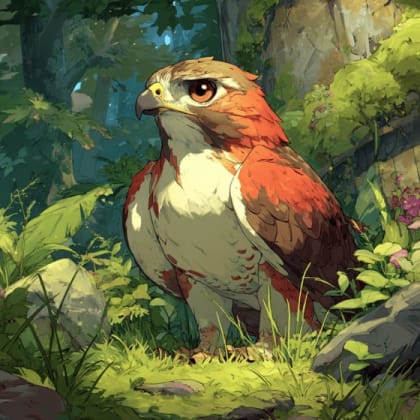





























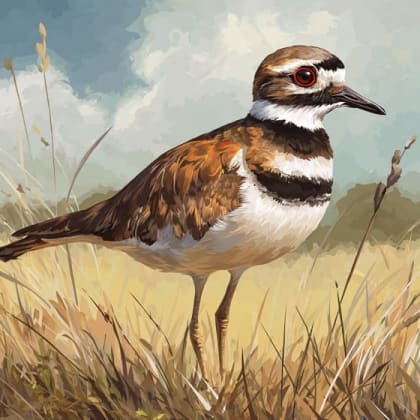











Start with the big picture, then zoom in to explore individual wildlife observations around this place.
Boat Access Only
Plan to bring your own boat or rent one from local marinas on Bethel Island or other Delta access points. This is the only way to experience Franks Tract.
Monitor Weather and Tides
Check weather forecasts and tidal charts carefully before your visit. Strong winds and significant tidal swings are common and can affect navigation.
Navigate with Caution
The interior of Franks Tract is shallow (3-6 feet) with submerged remnants of old farmlands. Use a map or GPS as the tule corridors can be disorienting, and be mindful of your prop depth.
Practice Leave No Trace
Help preserve this unique ecosystem by disposing of all waste properly and cleaning your boat and gear to prevent the introduction of invasive species.
Essential Gear
Pack sun protection (sunscreen, hat, sunglasses), insect repellent, plenty of water, and appropriate fishing or birdwatching equipment.
Consider a Fishing Guide
For serious anglers, especially those targeting bass, hiring a local guide can significantly enhance your experience and success in navigating the unique submerged terrain.
May 17, 2026
Photo attribution
no rights reserved
License: CC0 1.0 ↗
Image may be shown cropped inside the card frame.
Jun 3, 2026
Jun 1, 2026
May 29, 2026
May 20, 2026

Maryland, US
You might spot White-Tailed Deer and Eastern Gray Squirrel.
View guide →
.jpg)
District of Columbia, US
You might spot Eastern Gray Squirrel, Duck, and House Sparrow.
View guide →

Illinois, US
You might spot American Robin, Canada Goose, and House Sparrow.
View guide →

Virginia, US
You might spot Spotted Lanternfly and Northern Cardinal.
View guide →
Take the discovery with you
Identify the wildlife you spot, learn as you go, and keep a collection of the adventure.