.jpg&width=800)





Marsh Flatsedge
cyperus pseudovegetus
Marsh Flatsedge is a tall grass-like plant that grows in wet areas! Its unique shape and texture make it a fun plant to discover while exploring nature.
Habitat: Marshes and wetlands, often found near water.
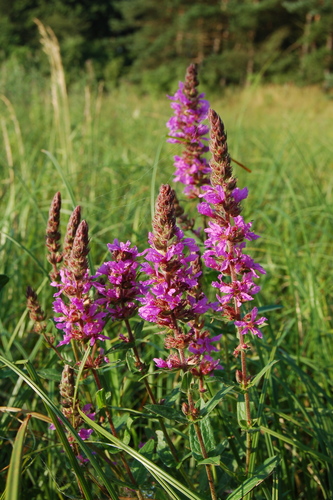
The Marsh Flatsedge is a grass-like plant with distinct, sharply triangular stems that grow upright. It has slender, light green leaves and clusters of small, greenish-yellowish spikelets at the stem tips, which are quite inconspicuous.
Category
PlantsRarity
Common
Danger
0/5 · No known danger
Snaps
Be the first to snap!
Birds love to snack on the tiny seeds hidden inside its spikelets.
It grows best when its 'feet' are wet, often standing in shallow water.
Its stems are so triangular you can actually feel the sharp edges!
Some scientists call it 'false sedge' because it often looks like a grass!
Marsh Flatsedge can thrive in super wet soil that most plants can't, helping it survive in soggy marshlands.
Marsh Flatsedge has strong roots that anchor soil in place, helping prevent it from washing away during floods.
Marsh Flatsedge can absorb extra nutrients from water, helping to keep its wetland home cleaner.
Anas platyrhynchos
consumes its small seeds
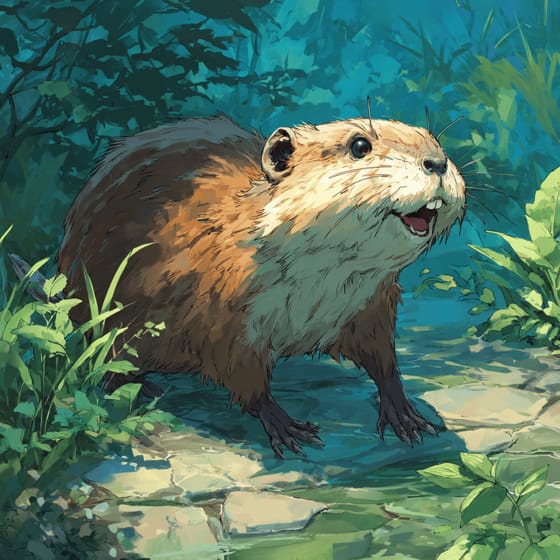
Ondatra zibethicus
feeds on its plant parts
Hyla cinerea
hides among its dense stems
This trait characterizes organisms whose diet consists entirely or primarily of plant material.
Coastal habitats are dynamic environments located along the interface between land and sea, influenced by tides, waves, and saltwater.
Diurnal animals are primarily active during daylight hours, typically resting or sleeping at night.
Aquatic habitats encompass environments where organisms live predominantly in water, including oceans, rivers, lakes, and wetlands.

Describes organisms that transfer pollen, enabling the fertilization and reproduction of plants.
Danger
0/5 · No known danger
No special safety notes yet.
The easiest way to identify Marsh Flatsedge is to use the Snappit nature identifier app.
30-90 cm
15-45 cm
1-3 cm
Late spring to fall
No
None
Perennial
Zoom in to split clusters and explore where this object has been snapped.
Recent snaps will appear here as new observations are added.
Take the discovery with you
Snap it with Snappit to identify it, learn what makes it special, and add the discovery to your collection.









.jpg&width=800)



_001.jpg&width=800)




