





marsh mallow
Althaea officinalis
Marsh mallow is a soft, fluffy plant that grows in wet places. It has pretty pink or white flowers and big green leaves. People have used it for a long time to make sweet treats and medicine!
Habitat: Wetlands
The marsh mallow has tall, upright stems covered in soft, velvety leaves. Its delicate, five-petaled flowers are typically pale pink to white, often with a slightly darker center, clustered in leaf axils. It often appears quite bushy with a grayish-green hue due to its fine hairs.
Category
PlantsRarity
Common
Danger
1/5 · Very low
Snaps
1
All parts of the marsh mallow plant, from leaves to roots, are edible and have been enjoyed for centuries!
Its scientific name, Althaea, means "to heal" in Greek, reflecting ancient soothing uses.
The fluffy, sugary treat "marshmallow" was first made from this plant's sweet roots!
This plant is covered in tiny, soft hairs that give its leaves a fuzzy, velvety feel!
Marsh mallow has special gooey substances (mucilage) that help it store water and soothe irritations in the body.
Marsh mallow can grow very long taproots, helping it reach deep water sources in its damp, marshy habitats.
Apis mellifera
Collecting its sweet nectar
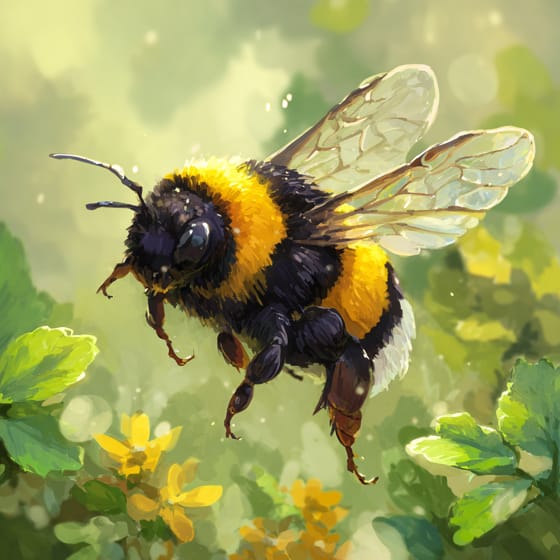
Bombus terrestris
Helping spread its pollen

Melolontha melolontha
Larvae feeding on its roots
Deciduous plants periodically shed all their leaves, typically during autumn or dry seasons.
Flowering plants are any plants that produce flowers as part of their reproductive cycle.
Summer blooming plants produce their flowers during the summer season, often providing vibrant color when many other plants have finished.
Fragrant flowers emit a pleasant aroma, often to attract pollinators or for defense.

Medicinal plants possess chemical compounds that can be used for therapeutic purposes to treat illnesses or maintain health.

Edible plants are those parts of a plant that are considered safe for human consumption.

Describes plants that are particularly attractive and beneficial to a wide range of pollinating organisms.

This habitat trait identifies species found in wetlands, which are areas of land saturated with water, either permanently or seasonally, including marshes, swamps, and bogs.

Describes organisms that transfer pollen, enabling the fertilization and reproduction of plants.
Danger
1/5 · Very low
Always ask an adult before touching or tasting any plants.
The easiest way to identify marsh mallow is to use the Snappit nature identifier app.
60-150 cm
30-60 cm
2-4 cm
Summer to early autumn
Yes
None
Perennial
Zoom in to split clusters and explore where this object has been snapped.

New York, US
You might spot Rock Pigeon, American Robin, and Spotted Lanternfly.
View guide →

New York, US
You might spot Rock Pigeon, House Sparrow, and Eastern Gray Squirrel.
View guide →
Take the discovery with you
Snap it with Snappit to identify it, learn what makes it special, and add the discovery to your collection.







.jpg&width=800)


_001.jpg&width=800)



