





Meadow Deathcamas
Toxicoscordion venenosum
Meadow Deathcamas is a beautiful plant with white flowers that grow in meadows. But be careful! This plant is very poisonous and should not be touched or eaten.
Habitat: Grasslands
The Meadow Deathcamas has a slender stem topped with a cluster of many small, pale yellow to creamy white, star-shaped flowers. Its narrow, grass-like leaves grow from the base, making it easy to mistake for edible wild onions before it blooms.
Category
PlantsRarity
Rare
Danger
5/5 · Extreme
Snaps
2
Early settlers sometimes used its highly poisonous bulb to make a deadly arrow poison.
Even a tiny bite of this plant can be deadly for humans and many animals.
Its scientific name, Toxicoscordion, literally means 'toxic garlic,' warning of its danger!
Some insects, like certain beetle larvae, can actually munch on this toxic plant safely.
Meadow Deathcamas can produce deadly toxins that make it unpalatable or even fatal to animals attempting to eat it.
Meadow Deathcamas has a bulb deep underground that stores energy, helping it survive droughts and reappear each spring.
Meadow Deathcamas has leaves that look very similar to edible wild onions, which can confuse hungry animals.

Bos taurus
Ingesting it can cause severe illness or death.
Ovis aries
Highly vulnerable to its potent toxic compounds.
Apis mellifera
Visits its creamy white flowers to collect nectar.
Flowering plants are any plants that produce flowers as part of their reproductive cycle.
Spring blooming plants produce their flowers during the spring season, often signifying the end of winter and the start of new growth.
Medicinal plants possess chemical compounds that can be used for therapeutic purposes to treat illnesses or maintain health.
Grassland habitats are terrestrial biomes dominated by grasses and herbaceous plants, supporting a variety of grazing animals.

Toxic organisms contain substances that are poisonous and can cause adverse effects upon exposure.

Poisonous organisms produce toxins that can cause harm when ingested, inhaled, or absorbed through contact.
No aliases listed yet.
Danger
5/5 · Extreme
Do not touch or eat any part of this plant. Always ask an adult if you're unsure.
The easiest way to identify Meadow Deathcamas is to use the Snappit nature identifier app.
10-60 cm
5-15 cm
0.5-1.5 cm
Spring to early summer
No
Deadly
Perennial
Zoom in to split clusters and explore where this object has been snapped.

Wyoming, US
You might spot Elk, Killdeer, and Black-Billed Magpie.
View guide →

Wyoming, US
You might spot Elk, Killdeer, and Black-Billed Magpie.
View guide →

British Columbia, CA
You might spot Broad-Leaved Stonecrop, Harbor Seal, and Ochre Sea Star.
View guide →
British Columbia, CA
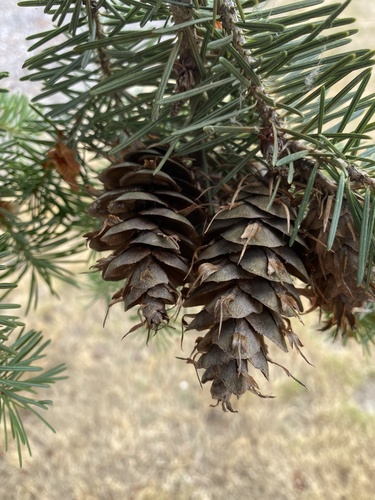
You might spot Douglas Fir, Pacific Madrone, and Rough-Skinned Newt.
View guide →
British Columbia, CA
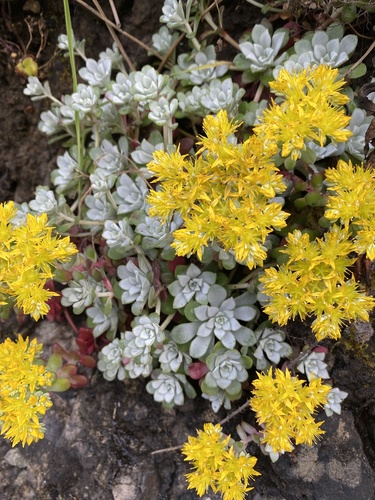
You might spot Broad-Leaved Stonecrop and Western Rattlesnake Plantain.
View guide →
Take the discovery with you
Snap it with Snappit to identify it, learn what makes it special, and add the discovery to your collection.









.jpg&width=800)



_001.jpg&width=800)




