





Mexican Ruellia
ruellia simplex
The Mexican Ruellia is a beautiful flowering plant that can brighten up any garden! Its colorful blooms attract butterflies and bees, making it a fun place to explore nature.
Habitat: Mexican Ruellia typically grows in sunny areas such as gardens and along roadsides.
The Mexican Ruellia has vibrant purple, trumpet-shaped flowers that open for a single day. Its slender, dark green leaves are often tinged with purple. This fast-growing plant forms dense clumps, adding a splash of color to sunny gardens.
Category
PlantsRarity
Common
Danger
0/5 · No known danger
Snaps
3
Each beautiful flower only lasts for one day, but new ones bloom daily!
It can grow so fast, some consider it a 'super spreader' in warm places!
Its seed pods explode with a pop when mature, scattering seeds everywhere!
Some people call it 'Mexican Petunia' because of its similar flower shape!
Mexican Ruellia can survive long dry spells thanks to its tough root system, helping it thrive in hot climates.
This plant rapidly spreads its seeds from pods that burst open, allowing it to quickly colonize new areas.
Its bright flowers produce sweet nectar that attracts busy bees and colorful butterflies for pollination.
Apis mellifera
collects nectar from its vibrant purple flowers.
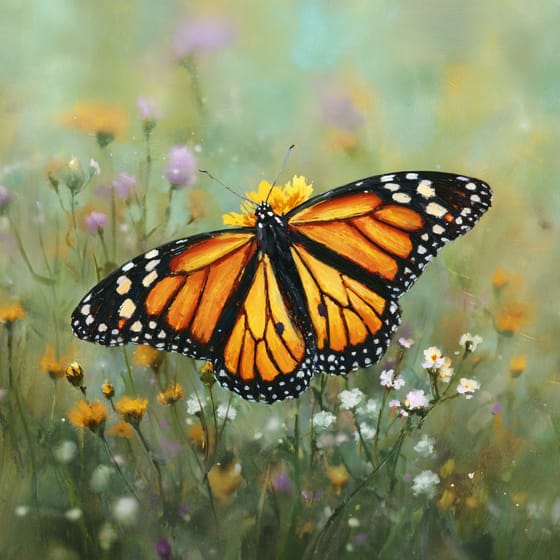
Danaus plexippus
sips sweet nectar from its trumpet-shaped blooms.

Archilochus colubris
feeds on nectar from its beautiful blossoms.

Bombus impatiens
visits flowers to gather pollen and nectar.
Solitary animals live alone for most of their lives, only interacting with others for mating or parental care.
Colorful describes organisms or objects displaying a wide range of bright and distinct colors.
This trait characterizes organisms whose diet consists entirely or primarily of plant material.
Diurnal animals are primarily active during daylight hours, typically resting or sleeping at night.

Describes organisms that transfer pollen, enabling the fertilization and reproduction of plants.
Danger
0/5 · No known danger
No special safety notes yet.
The easiest way to identify Mexican Ruellia is to use the Snappit nature identifier app.
30-90 cm
60-120 cm
2-5 cm
Spring to Fall
No
None
Perennial
Zoom in to split clusters and explore where this object has been snapped.

US
You might spot Brown Anole, Zebra Dove, and Red-Crested Cardinal.
View guide →
Florida, US
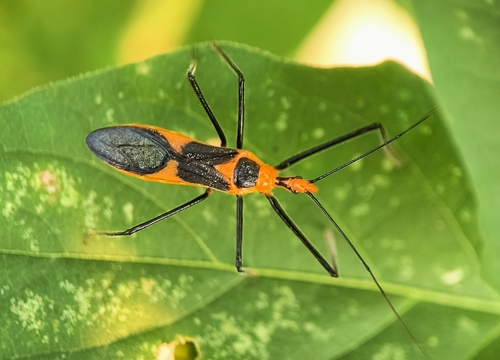
You might spot Milkweed Assassin Bug, Green Iguana, and White Beggarticks.
View guide →

Georgia, US
You might spot Riley's 13-Year Cicada, Joro Spider, and Asian Lady Beetle.
View guide →
Florida, US
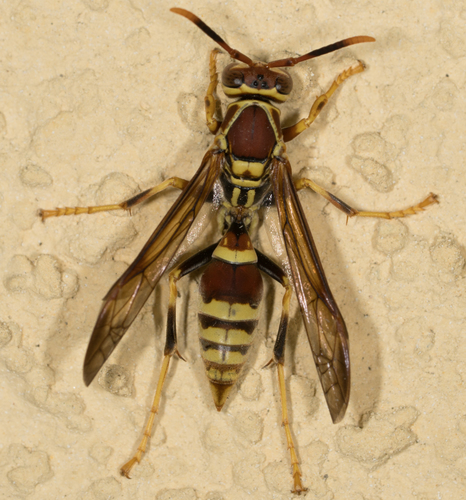
You might spot Guinea Paper Wasp and Fishbone Fern.
View guide →
Take the discovery with you
Snap it with Snappit to identify it, learn what makes it special, and add the discovery to your collection.









.jpg&width=800)



_001.jpg&width=800)




