





Mexican Spadefoot
Spea multiplicata
The Mexican Spadefoot is a small, round frog that loves to dig! It has special spade-like feet that help it burrow into the ground to stay safe and cool.
Habitat: Desert
The Mexican Spadefoot is a plump, toad-like amphibian, typically brownish-gray to olive-green with faint mottling or stripes. It has large, golden eyes with vertical pupils and a distinctive, wedge-shaped 'spade' on each hind foot.
Category
AmphibiansRarity
Common
Danger
1/5 · Very low
Snaps
3
Mexican Spadefoots lay their eggs in temporary puddles that appear only after a rainstorm.
Their eyes have vertical pupils, like a cat's, which helps them see clearly at night!
Their loud, squawking call sounds a bit like a crow, echoing across the desert!
They puff up their bodies with air when threatened to appear much bigger to predators.
Mexican Spadefoot can stay dormant underground for months, emerging only after heavy rains to breed and feed quickly.
Mexican Spadefoot tadpoles can complete their metamorphosis into tiny froglets in as little as 10 days, escaping drying pools.
Mexican Spadefoot can absorb water directly through its skin, especially a specialized 'drink patch' on its belly.
They hunt and gobble up all sorts of insects and small creatures lurking near the ground!
Age differences: Tadpoles are omnivores, mostly eating algae and detritus; adults are strictly carnivorous.
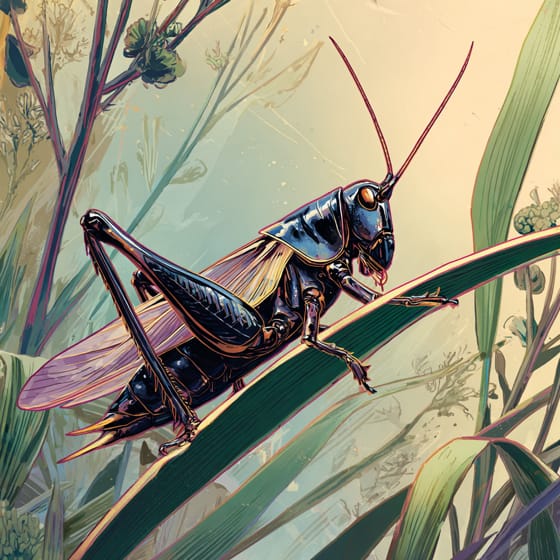
Gryllus campestris
A major food source after they emerge.
Formica fusca
They actively consume various ant species.
Thamnophis proximus
This snake is a common predator of spadefoots.

Procyon lotor
Opportunistic predator, especially near water sources.
Marked with spots or patches of a different color.
Singing animals produce complex vocalizations, often for purposes of attracting mates, defending territory, or communicating within their species.
Burrowing animals dig tunnels and chambers in the ground, using these subterranean structures for shelter, hunting, or breeding.
Colorful describes organisms or objects displaying a wide range of bright and distinct colors.

This trait identifies organisms whose diet primarily consists of insects and other small invertebrates.

Desert habitats are arid regions characterized by extremely low precipitation and often extreme temperatures, supporting specialized flora and fauna.

Nocturnal animals are primarily active during the nighttime hours, typically resting or sleeping during the day.

Endangered status indicates a species is at a very high risk of extinction in the wild in the near future.
No aliases listed yet.
Danger
1/5 · Very low
Always watch frogs from a distance and don't touch them, as they can be delicate.
The easiest way to identify Mexican Spadefoot is to use the Snappit nature identifier app.
3.8-6.3 cm
0.01-0.03 kg
4-10 years
3 km/h
They hunt and gobble up all sorts of insects and small creatures lurking near the ground!
Desert
Ambush
Zoom in to split clusters and explore where this object has been snapped.

Texas, US
You might spot Texas Hedgehog Cactus, Ornate Tree Lizard, and Cactus Wren.
View guide →

New Mexico, US
You might spot Common Side-Blotched Lizard and Kingcup Cactus.
View guide →
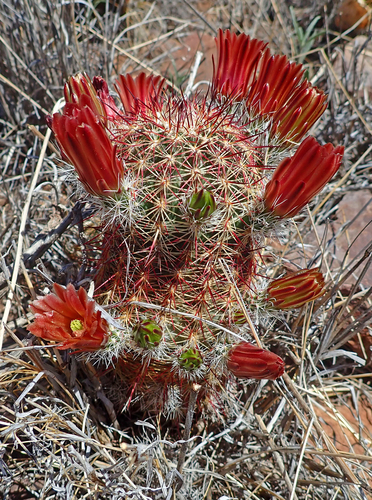
Texas, US
You might spot Texas Hedgehog Cactus, Cactus Wren, and Ornate Tree Lizard.
View guide →

Arizona, US
You might spot Rainbow Hedgehog Cactus and Red-Tailed Hawk.
View guide →
Take the discovery with you
Snap it with Snappit to identify it, learn what makes it special, and add the discovery to your collection.








.JPG&width=800)


.jpg&width=800)

