





Mustelids
Mustelidae
Mustelids are a family of small, furry animals that include weasels, otters, and badgers. They are known for their playful nature and sharp senses, making them fun to watch in the wild!
Habitat: Forests, Grasslands, Wetlands
The Mustelids generally have long, slender bodies with short legs and small, rounded ears. Their fur often comes in shades of brown, black, or gray, sometimes with striking white or yellow markings. This body shape helps distinguish them from broader, more robust carnivores.
Category
MammalsRarity
Common
Danger
2/5 · Low
Snaps
Be the first to snap!
Ferrets are known for a playful 'weasel war dance' when excited!
Many mustelids, like stoats, change fur color for winter camouflage!
Sea otters use rocks as tools to crack open shellfish!
Wolverines can take down prey much larger than themselves!
Mustelids can spray foul-smelling liquid because of powerful anal scent glands that help them deter predators.
Mustelids have incredibly flexible bodies that help them squeeze into tight spaces to hunt prey or escape danger.
Mustelids have strong claws and muscular forelimbs that help them dig burrows or climb trees with ease.
Mustelids mostly eat meat, from tiny bugs to bigger animals, keeping nature balanced.
Microtus pennsylvanicus
A common small rodent prey for many mustelids.
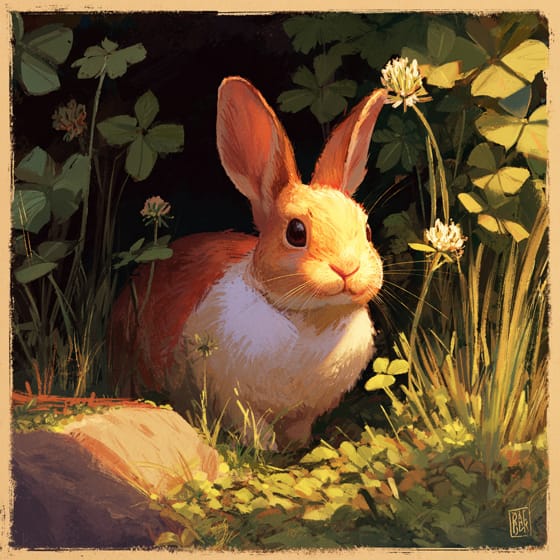
Oryctolagus cuniculus
Often preyed upon by stoats, badgers, and ferrets.
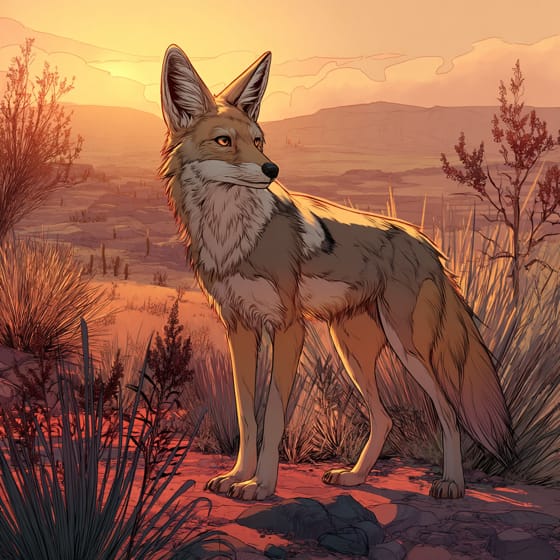
Canis latrans
Larger predators that sometimes hunt smaller mustelids.
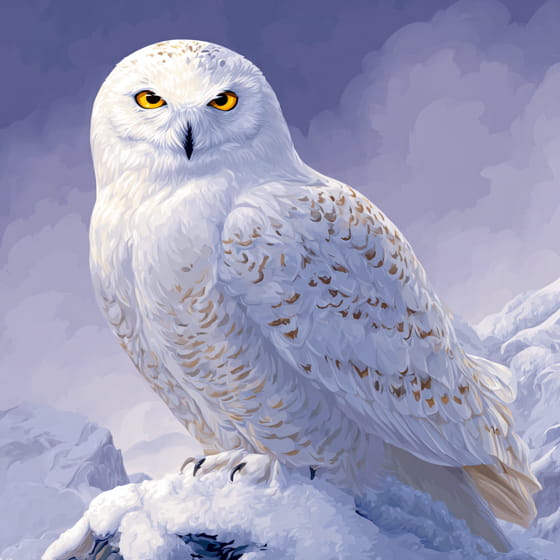
Bubo scandiacus
An avian predator of smaller mustelids like ermine.
Furry describes animals possessing a dense covering of soft hair or fur.
Social animals live in organized groups, cooperating for survival benefits such as foraging, defense, and raising offspring.
Solitary animals live alone for most of their lives, only interacting with others for mating or parental care.
Burrowing animals dig tunnels and chambers in the ground, using these subterranean structures for shelter, hunting, or breeding.

Grassland habitats are terrestrial biomes dominated by grasses and herbaceous plants, supporting a variety of grazing animals.

This trait describes organisms that manipulate external objects to achieve a specific goal.

Forest habitats are terrestrial environments dominated by dense tree cover, supporting a high diversity of plant and animal life.

This habitat trait identifies species found in wetlands, which are areas of land saturated with water, either permanently or seasonally, including marshes, swamps, and bogs.

This trait identifies organisms whose diet consists entirely or primarily of animal tissue.

Describes a species whose presence and role have a disproportionately large effect on its environment.

This trait identifies organisms that exhibit exceptional swiftness in movement for hunting, escape, or travel.
Danger
2/5 · Low
Always observe mustelids from a distance and never try to touch them in the wild.
The easiest way to identify Mustelids is to use the Snappit nature identifier app.
15-150 cm
0.1-45 kg
3-20 years
35 km/h
Mustelids mostly eat meat, from tiny bugs to bigger animals, keeping nature balanced.
Forests, Grasslands, Wetlands
Pursuit
Zoom in to split clusters and explore where this object has been snapped.
Recent snaps will appear here as new observations are added.
Take the discovery with you
Snap it with Snappit to identify it, learn what makes it special, and add the discovery to your collection.




.jpg&width=800)


.JPG&width=800)

.jpg&width=800)
