





Narrow-winged Tree Cricket
Oecanthus niveus
The Narrow-winged Tree Cricket is a small, green insect that loves to sing at night. They make a cheerful sound that can be heard in gardens and forests during warm months.
Habitat: Forests
The Narrow-winged Tree Cricket is slender and delicate, typically pale green or translucent white, allowing it to blend seamlessly with leaves. It has long, slender antennae and distinctive narrow, flattened wings held neatly along its back, which appear somewhat glassy.
Category
InsectsRarity
Common
Danger
1/5 · Very low
Snaps
5
The male cricket's song can sound like a thermometer, predicting the temperature!
Their antennae are super long, often twice their body length, helping them feel the world!
These tiny musicians rub their wings together to make their famous, soothing chirping sound.
You might hear them more than see them, as their song helps locate them in the dark.
Narrow-winged Tree Cricket can produce a rhythmic, continuous trill because of special structures on its wings that rub together, helping them find mates in the dark.
Narrow-winged Tree Cricket has a chirp rate that changes with temperature, allowing them to act as a natural thermometer for scientists!
Narrow-winged Tree Cricket can disappear into foliage because of its slender body and pale green color, helping them hide from hungry predators.
This little cricket enjoys a menu of soft plant parts and tiny, slow-moving insects.
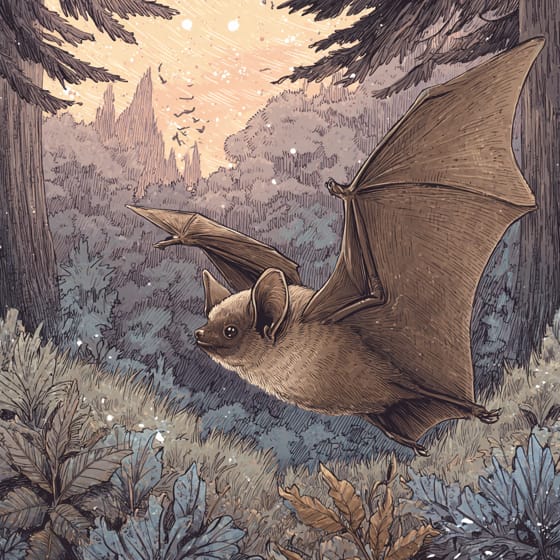
Myotis lucifugus
Bats hunt crickets at night using echolocation.
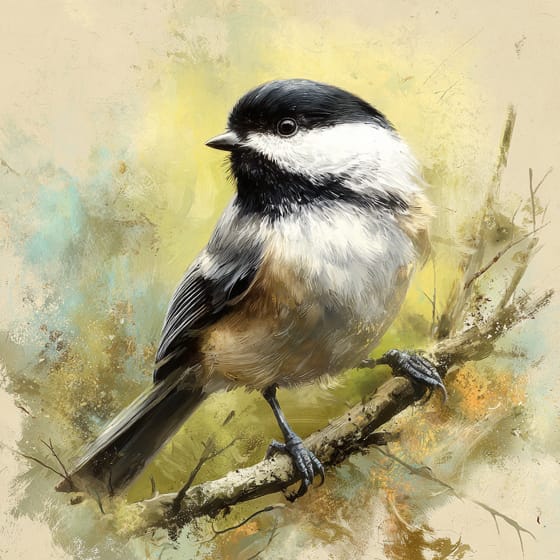
Parus atricapillus
Chickadees forage for crickets in trees and shrubs.
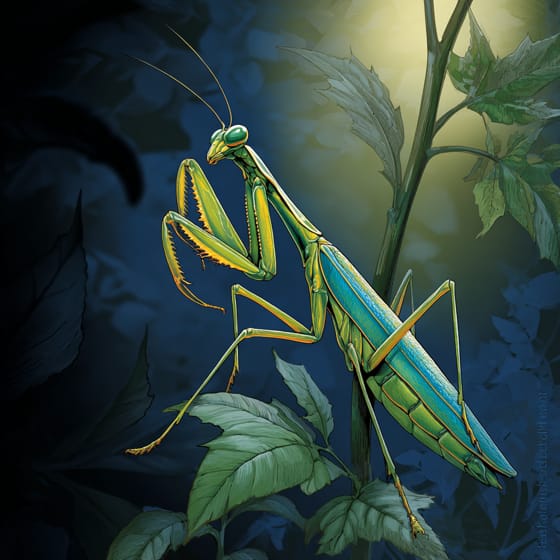
Mantis religiosa
Mantises ambush and consume crickets on plants.

Quercus alba
Crickets shelter and feed on oak leaves.
Singing animals produce complex vocalizations, often for purposes of attracting mates, defending territory, or communicating within their species.
Arboreal animals live primarily in trees, utilizing them for shelter, food, and protection from predators.
Camouflaged describes organisms that possess coloring or patterns that allow them to blend into their environment.
This trait characterizes organisms whose diet consists entirely or primarily of plant material.

Forest habitats are terrestrial environments dominated by dense tree cover, supporting a high diversity of plant and animal life.

Nocturnal animals are primarily active during the nighttime hours, typically resting or sleeping during the day.
No aliases listed yet.
Danger
1/5 · Very low
Crickets are harmless and fun to watch, but it's best to observe them without touching.
The easiest way to identify Narrow-winged Tree Cricket is to use the Snappit nature identifier app.
12-16 mm
60-90 days
This little cricket enjoys a menu of soft plant parts and tiny, slow-moving insects.
Forests
Foraging
6
Zoom in to split clusters and explore where this object has been snapped.

Florida, US
You might spot Duck, Anhinga, and White Ibis.
View guide →

Maine, US
You might spot Pink Lady's Slipper and Common Ribbon Snake.
View guide →

Indiana, US
You might spot American Robin, Canada Goose, and Eastern Gray Squirrel.
View guide →

Missouri, US
You might spot Purple Passionflower and Variegated Fritillary.
View guide →

Kentucky, US
You might spot Eastern Gray Squirrel and American Robin.
View guide →

New York, US
You might spot Eastern Bluebird and Baltimore Checkerspot.
View guide →
Take the discovery with you
Snap it with Snappit to identify it, learn what makes it special, and add the discovery to your collection.








.jpg&width=800)



