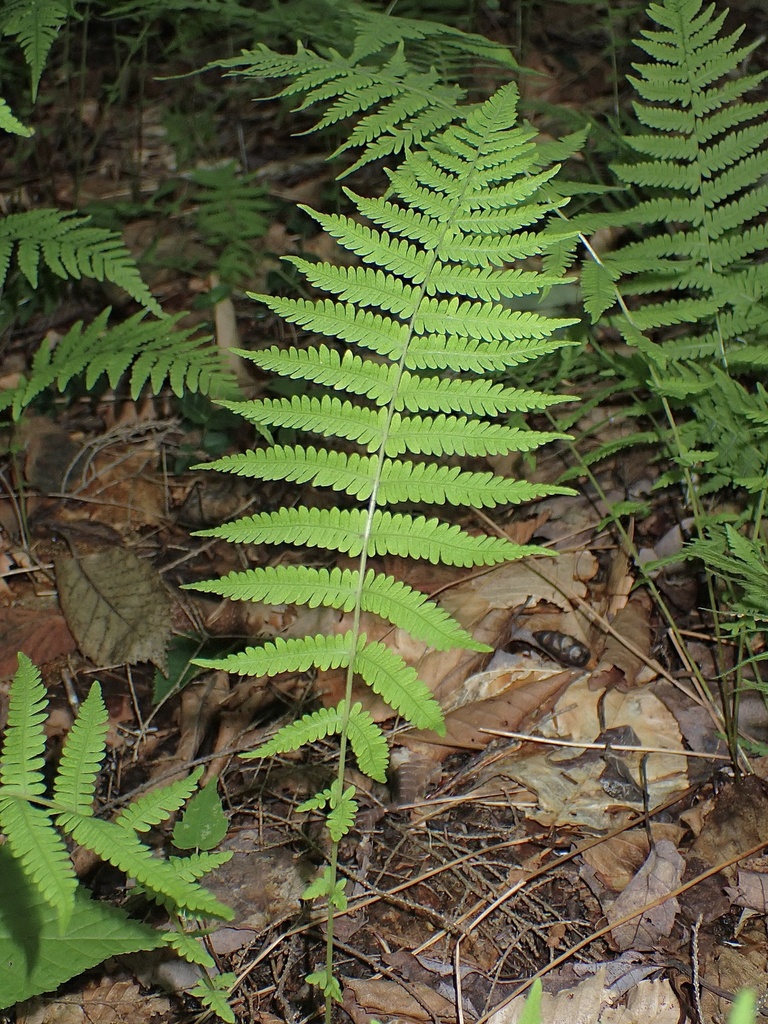





New York fern
Amauropelta noveboracensis
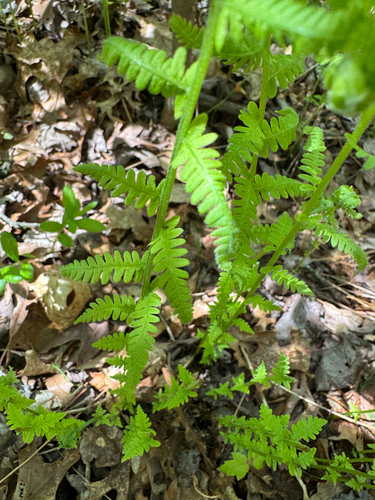
The New York fern is a lovely green plant that grows in shady places. Its delicate leaves are shaped like little fans and can make any forest feel magical!
Habitat: Forests
The New York fern has delicate, bright to yellowish-green fronds that are distinctly narrow at both the base and tip, giving them a tapered appearance. Each frond is twice-divided, creating a soft, lacy texture, often forming dense, graceful clumps.
Category
PlantsRarity
Common
Danger
1/5 · Very low
Snaps
38
Even though it’s called "New York fern," it grows across much of eastern North America.
Fossils show ferns, like this one, were growing on Earth when dinosaurs roamed!
Instead of flowers, ferns reproduce using millions of tiny, dust-like spores released from their fronds.
This fern's fronds often turn a beautiful golden-yellow in autumn before disappearing for winter!
New York fern has tiny spores on its fronds that float away on the wind to grow new ferns, spreading widely without seeds!
New York fern can spread using underground stems called rhizomes, allowing it to pop up in new spots and form colonies.
New York fern thrives in deep shade where many plants struggle, thanks to its specialized leaves that capture faint light.

Plethodon cinereus
Hides under its fronds for moisture and protection.
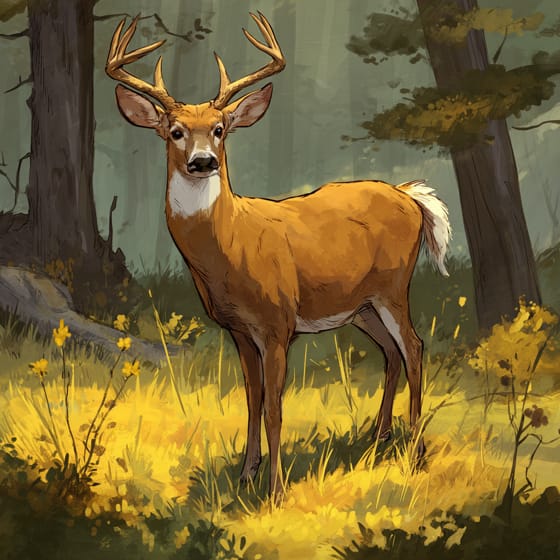
Odocoileus virginianus
May occasionally browse on its tender young fronds.
Arion subfuscus
Feeds on the fern's fronds and delicate tissues.
Deciduous plants periodically shed all their leaves, typically during autumn or dry seasons.
This trait characterizes plants lacking specialized vascular tissues (xylem and phloem) for transporting water and nutrients.
Shade tolerant plants are adapted to grow and thrive in areas with low light levels, requiring less direct sunlight.
Spore-producing organisms reproduce by releasing small, often single-celled, reproductive units called spores.

Describes plants that are particularly attractive and beneficial to a wide range of pollinating organisms.

Forest habitats are terrestrial environments dominated by dense tree cover, supporting a high diversity of plant and animal life.
No aliases listed yet.
Danger
1/5 · Very low
Always look but don't touch plants unless you know they are safe.
The easiest way to identify New York fern is to use the Snappit nature identifier app.
30-90 cm
30-60 cm
No
None
Perennial
Forests
Zoom in to split clusters and explore where this object has been snapped.
May 25, 2026
Andrews GeyserPhoto attribution
(c) Terry Loeb, some rights reserved (CC BY)
License: CC BY 4.0 ↗
Image may be shown cropped inside the card frame.
May 17, 2026
Tiverton Four Corners Historic DistrictPhoto attribution
no rights reserved
License: CC0 1.0 ↗
Image may be shown cropped inside the card frame.

New Jersey, US
You might spot Garlic Mustard, Sensitive Fern, and Common Mugwort.
View guide →

Rhode Island, US
You might spot Common Eastern Bumble Bee and Osprey.
View guide →

Massachusetts, US
You might spot Eastern Newt, Purple Pitcher Plant, and Hobblebush.
View guide →
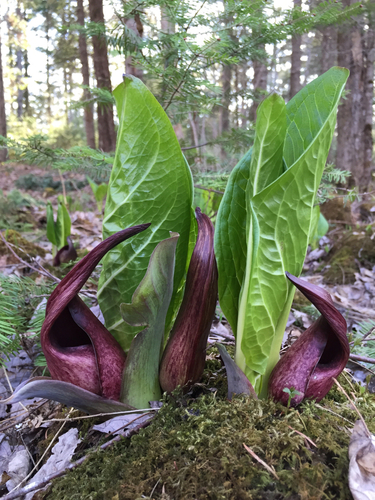
Connecticut, US
You might spot Eastern Skunk Cabbage and Eastern White Pine.
View guide →

New York, US
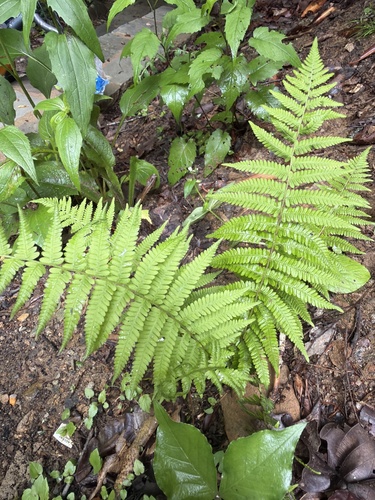
You might spot American Toad and Intermediate Wood Fern.
View guide →

Connecticut, US
You might spot Common Mugwort and Canada Goose.
View guide →
Take the discovery with you
Snap it with Snappit to identify it, learn what makes it special, and add the discovery to your collection.







.jpg&width=800)



_001.jpg&width=800)



