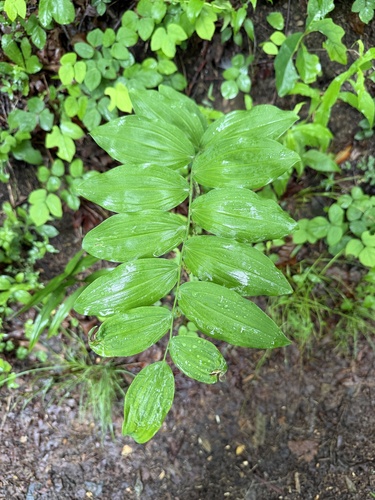
Mountain Laurel

Andrews Geyser offers a tranquil historical park experience in North Carolina's beautiful mountains.
Andrews Geyser offers a tranquil historical park experience in North Carolina's beautiful mountains. While currently undergoing restoration, this man-made fountain holds a rich history and is nestled within the scenic landscapes of Old Fort, serving as a gateway to the majestic Blue Ridge Mountains. Once a captivating display of water shooting up to 80 feet, the geyser is a testament to human ingenuity and a cherished local landmark.
Even in its current non-operational state, the park invites visitors to explore its peaceful surroundings, which include the historical geyser basin, the distinctive five-lobed concrete pool, and the remnants of the gravity-fed piping system. The elevated railroad tracks, a significant part of the geyser's history and original allure, still loop gracefully around the site, providing a unique backdrop and a sense of the past. The natural beauty of the Pisgah National Forest envelops the park, offering glimpses of local flora and fauna along tranquil pathways.
A visit to Andrews Geyser remains worthwhile for those interested in local history, engineering marvels, and the serene beauty of the Appalachian foothills. It provides a unique opportunity to reflect on the region's railroad development and the community's dedication to preserving its heritage. The park continues to be a quiet place for picnics, leisurely walks, and an appreciation of a significant historical site, with the hope of future restoration bringing its waterspout back to life. Be ready to snap and learn! Get the Snappit app to identify any nature species you find here.
Andrews Geyser, though named a "geyser," is actually a man-made fountain with a fascinating past. It was originally constructed around 1885 near Old Fort, North Carolina, envisioned by Colonel Alexander Boyd Andrews, a prominent figure in the Southern Railway Company. Inspired by the natural geysers of Yellowstone, Andrews sought to create a similar spectacle to attract visitors to the luxurious Round Knob Hotel and to honor the many workers who perished during the challenging construction of the railroad through the Blue Ridge Mountains. The fountain operated on a gravity-fed system, with water piped two miles downhill from a dammed spring, creating pressure that propelled a stream up to 250 feet in its prime. After the Round Knob Hotel tragically burned down in 1903, the geyser fell into disrepair. However, its allure led to its restoration in 1911 by wealthy New York banker George Fisher Baker, a friend of Colonel Andrews, who relocated the fountain across Mill Creek and constructed its distinctive five-sided basin, formally naming it Andrews Geyser. Ownership eventually transferred to the Town of Old Fort, which undertook another significant restoration in the 1970s, reopening it as a public park in 1976. Unfortunately, in September 2024, the remnants of Hurricane Helene caused extensive damage to the geyser's pipeline, leaving it dry and its future uncertain while the town seeks funding for repairs.
Walk the tranquil pathways, picnic in designated areas, and observe the historic geyser structure and the railroad tracks. Take photographs of the scenic mountain backdrop and the architectural elements of the basin.
Spring: Enjoy blooming wildflowers and fresh greenery.
Summer: Lush foliage provides a verdant setting; ideal for picnics.
Autumn: Experience breathtaking fall colors as the trees paint the landscape in vibrant hues.
Winter: Though cold, the geyser's spray previously created sparkling ice formations; even without the spray, a snowy landscape can be picturesque.
The park likely features tranquil pathways suitable for walking. However, specific information on wheelchair accessibility or paved trails is not extensively detailed; visitors should inquire locally for the most up-to-date information. Picnic tables are available on-site.
The historic concrete basin and nozzle, a reminder of the fountain's past grandeur.
The iconic railway loops gracefully around the park, offering a glimpse into the geyser's original purpose as a railroad attraction.
The serene natural environment surrounding the geyser provides opportunities for quiet contemplation and appreciation of the mountain landscape.
A historical marker on-site notes one of the last skirmishes of the Civil War in April 1865.
Each card links to a full Explore page with photos, traits, and fun facts.
Start with the big picture, then zoom in to explore individual wildlife observations around this place.
Check for updates
Before visiting, especially if hoping to see the geyser operational, contact the Town of Old Fort for the latest information on its repair status.
Bring a picnic
The park offers picnic tables and a serene environment, making it an ideal spot for an outdoor meal.
Combine with other local attractions
Consider visiting the nearby Mountain Gateway Museum or exploring hiking trails like Catawba Falls for a fuller day trip.
Photography opportunities
The historical basin, railroad tracks, and seasonal foliage provide excellent subjects for photography, even with the geyser currently inactive.
Wear comfortable shoes
The park involves walking pathways, so comfortable footwear is recommended.
No restrooms
Be aware that there are no toilet facilities on-site.
May 25, 2026
Photo attribution
(c) Terry Loeb, some rights reserved (CC BY)
License: CC BY 4.0 ↗
Image may be shown cropped inside the card frame.
May 24, 2026
Photo attribution
(c) Terry Loeb, some rights reserved (CC BY)
License: CC BY 4.0 ↗
Image may be shown cropped inside the card frame.
May 24, 2026
Photo attribution
(c) Terry Loeb, some rights reserved (CC BY)
License: CC BY 4.0 ↗
Image may be shown cropped inside the card frame.
May 24, 2026
Photo attribution
(c) Terry Loeb, some rights reserved (CC BY)
License: CC BY 4.0 ↗
Image may be shown cropped inside the card frame.
May 24, 2026
Photo attribution
(c) Terry Loeb, some rights reserved (CC BY)
License: CC BY 4.0 ↗
Image may be shown cropped inside the card frame.

Maryland, US
You might spot White-Tailed Deer and Eastern Gray Squirrel.
View guide →
.jpg)
District of Columbia, US
You might spot Eastern Gray Squirrel, Duck, and House Sparrow.
View guide →

Illinois, US
You might spot American Robin, Canada Goose, and House Sparrow.
View guide →

Virginia, US
You might spot Spotted Lanternfly and Northern Cardinal.
View guide →
Take the discovery with you
Identify the wildlife you spot, learn as you go, and keep a collection of the adventure.