Noble False Widow
steatoda nobilis
The Noble False Widow is a fascinating spider known for its shiny, dark body and unique web designs! Kids can learn about how it helps keep gardens healthy by catching pests.
Habitat: They live in gardens, homes, and wooded areas across Europe.
The Noble False Widow has a shiny black or dark brown body with distinct cream or white markings on its round abdomen, often resembling a skull or anchor shape. Its legs are dark brown, making it visually different from many other common house spiders.
Category
InvertebrateRarity
Common
Danger
1/5 · Very low
Snaps
8
Its bite is rarely worse than a bee or wasp sting for most people!
Its spooky 'skull' pattern on its back makes it look extra mysterious!
These spiders can live for several years, super long for a house spider!
They are amazing travellers, from islands near Africa, now found worldwide!
Noble False Widow can spin messy, tangled webs because of specialized silk glands that help them trap unsuspecting prey.
Noble False Widow has a mild venom that helps them quickly subdue their insect meals before they can escape.
Noble False Widow can guard its spherical egg sacs, helping to keep its babies safe from danger.
These fierce hunters mostly eat other insects and spiders they catch in their sticky webs.
Musca domestica
traps this common pest in its sticky web.
Parasteatoda tepidariorum
preys on other spiders, even similar-sized ones.
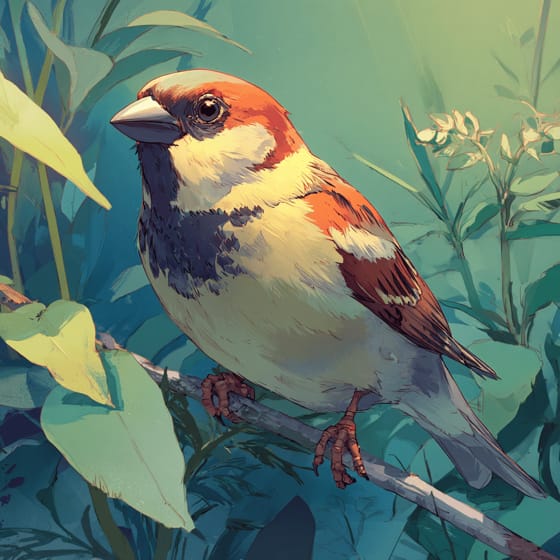
Passer domesticus
can become a meal for hungry birds.
Solitary animals live alone for most of their lives, only interacting with others for mating or parental care.
Camouflaged describes organisms that possess coloring or patterns that allow them to blend into their environment.
This trait identifies organisms whose diet consists entirely or primarily of animal tissue.
Diurnal animals are primarily active during daylight hours, typically resting or sleeping at night.

Venomous organisms produce toxins that are injected into another animal, typically through a bite or sting.
Danger
1/5 · Very low
Do not touch or disturb any spider; admire them from a distance!
The easiest way to identify Noble False Widow is to use the Snappit nature identifier app.
1 cm
2.5 cm
0.1 g
3 years
These fierce hunters mostly eat other insects and spiders they catch in their sticky webs.
They live in gardens, homes, and wooded areas across Europe.
Ambush
Zoom in to split clusters and explore where this object has been snapped.

California, US
You might spot Western Fence Lizard and Eastern Fox Squirrel.
View guide →

California, US
You might spot Giraffes, African Lion, and Tiger.
View guide →

California, US
You might spot Western Fence Lizard, Bee, and House Finch.
View guide →

California, US
You might spot Eastern Gray Squirrel and Eastern Fox Squirrel.
View guide →

California, US
You might spot Western Fence Lizard, Common Side-Blotched Lizard, and Bee.
View guide →

California, US
You might spot Western Fence Lizard and Eastern Fox Squirrel.
View guide →
Take the discovery with you
Snap it with Snappit to identify it, learn what makes it special, and add the discovery to your collection.