





nodding onion
Allium cernuum
The nodding onion is a pretty flower that grows in clusters. Its delicate pink blooms hang down like little bells, and it has a lovely oniony smell when you touch it!
Habitat: Grasslands
The nodding onion has slender, grass-like leaves and stems that hold bell-shaped clusters of pink to white flowers. These flower clusters gracefully droop downwards, giving the plant its distinctive 'nodding' appearance.
Category
PlantsRarity
Common
Danger
1/5 · Very low
Snaps
2
Indigenous peoples once used the bulbs and leaves not just for food, but also as a natural medicine!
Its tiny flowers are like magnets for bees and butterflies, providing them with tasty nectar!
The plant's name comes from its flower stems, which bend sharply as if bowing!
You can tell it's an onion by its smell – even if you don't see the flowers, sniff its leaves!
Nodding onion's downward-facing flowers may protect delicate pollen and nectar from heavy rain, helping it reproduce successfully.
It produces a strong onion smell to deter hungry animals like deer, protecting its leaves and bulbs from being eaten.
This plant grows a small bulb underground that stores energy, allowing it to survive harsh winters and regrow each spring.
Its nodding seed pods naturally help scatter seeds around, spreading new plants across its habitat.
Apis mellifera
Gathers nectar and pollen from its flowers.
Bombus impatiens
An important native pollinator for the nodding onion.
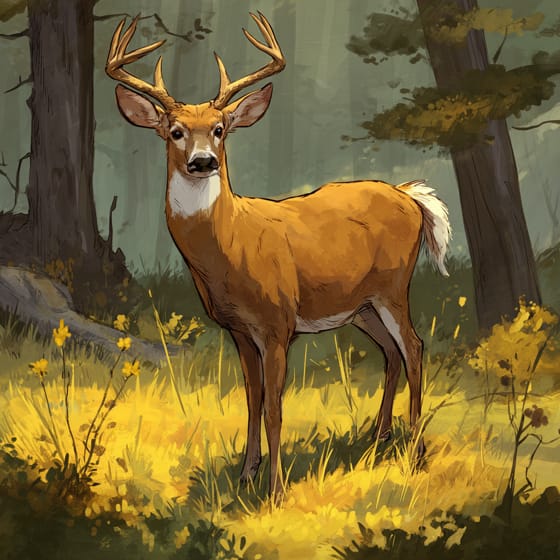
Odocoileus virginianus
Deer may browse its leaves, despite the oniony taste.
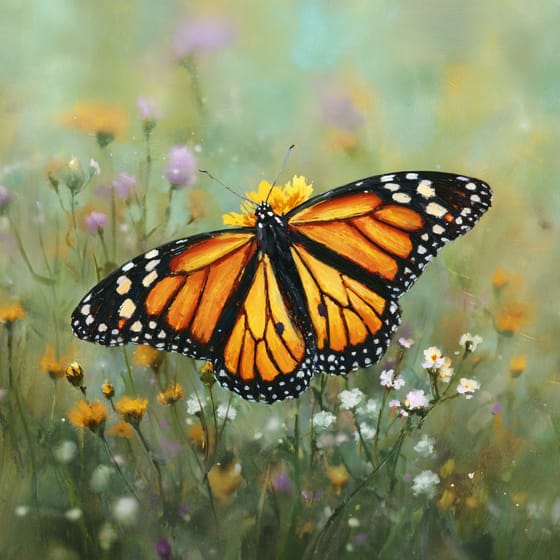
Danaus plexippus
Adult Monarchs feed on nectar from the flowers.
Aromatic plants produce and emit fragrant volatile organic compounds, often for defense or to attract pollinators.
Bell-shaped flowers possess petals fused or arranged to form a cup-like or campanulate structure resembling a bell.
Flowering plants are any plants that produce flowers as part of their reproductive cycle.
Cluster flowers are inflorescences where individual flowers are arranged closely together on a common stem.

Spring blooming plants produce their flowers during the spring season, often signifying the end of winter and the start of new growth.

Fragrant flowers emit a pleasant aroma, often to attract pollinators or for defense.

Edible plants are those parts of a plant that are considered safe for human consumption.

Grassland habitats are terrestrial biomes dominated by grasses and herbaceous plants, supporting a variety of grazing animals.

Describes plants that are particularly attractive and beneficial to a wide range of pollinating organisms.
Danger
1/5 · Very low
Always ask an adult before touching or tasting any plants.
The easiest way to identify nodding onion is to use the Snappit nature identifier app.
30-60 cm
15-30 cm
0.5-1 cm
Summer to early fall
Yes
None
Perennial
Zoom in to split clusters and explore where this object has been snapped.

British Columbia, CA
You might spot Harbor Seal, Evergreen Huckleberry, and Alumroots.
View guide →

New York, US
You might spot Sea Lion, Red Panda, and North American River Otter.
View guide →

Montana, US
You might spot Spotted Knapweed, Great Mullein, and Nodding Onion.
View guide →

Montana, US
You might spot Black Bear, Moose, and Lodgepole Pine.
View guide →

Illinois, US
You might spot Common Eastern Bumble Bee and Monarch.
View guide →

Colorado, US
You might spot Red Osier Dogwood and Creeping Mahonia.
View guide →
Take the discovery with you
Snap it with Snappit to identify it, learn what makes it special, and add the discovery to your collection.







.jpg&width=800)


_001.jpg&width=800)



